

























































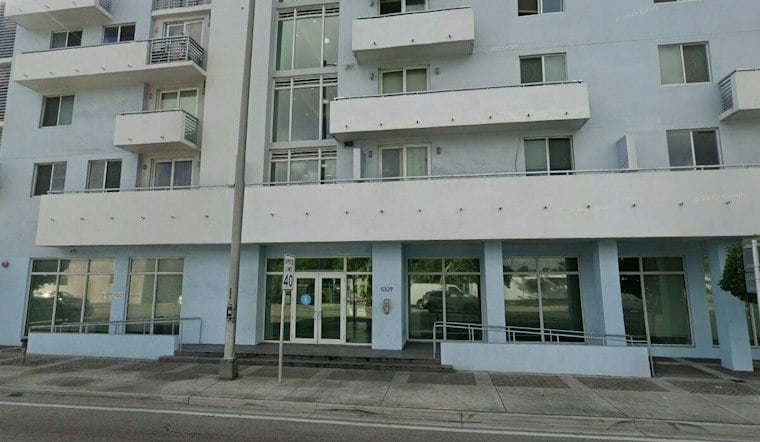
A Liberty City nonprofit says a promise to build 35 affordable homes for low- and moderate-income families has mostly gone unfulfilled, with only four properties turned into livable homes years after the land was allotted. The Neighbors and Neighbors Association, known as NANA, held a second press conference on Sept. 1 to say the remaining lots are still stuck in what the group calls development limbo.
NANA was allotted the 35 plots through Miami-Dade County's Infill Housing Program, according to The Miami Times, with the goal of building homeownership opportunities for families who otherwise could not afford them. The nonprofit says it fully developed four of the properties into livable homes before the COVID-19 pandemic brought construction to a standstill. NANA founder Leroy Jones said the shutdown froze all activity on the project for three months, and the paper reports the cost of materials had doubled by the time work could resume.
Those delays had real consequences for the families who had signed up to buy the homes. NANA says it had confirmed families for each of the 35 lots, but many of those families ultimately canceled their contracts because of the extensive delays, according to the same report. In March 2025, Miami-Dade County placed the undeveloped properties on a 30-day notice of default, a move NANA held its first press conference to address that same month.
A Lawsuit and a Partial Dismissal
NANA filed a lawsuit against Miami-Dade County and District 3 Commissioner Keon Hardemon in June 2025, alleging eight counts including retaliation, violation of due process and breach of contract, the outlet reports. A court order signed July 20, 2026, dismissed five of those counts, including all claims against Hardemon specifically, though the dossier does not specify which two counts against the county remain active or detail the full text of the order.
Jones told the paper he has repeatedly tried to reach Hardemon directly, saying he called, texted and emailed the commissioner. Hardemon reportedly told Jones he would work on arranging a meeting, but as of the Sept. 1 press conference, that meeting still had not taken place. Hardemon did not respond to the Miami Times' request for comment on the lawsuit or the current state of the properties, per the same report.
Families Left Waiting for Homeownership
Jones said the housing projects were meant to give low- and moderate-income families a real shot at homeownership, and he described the dispute as fundamentally about delivering on that promise. Anthony Durden, an executive member of NANA's sister nonprofit Circle of Brotherhood, said the alleged delays have harmed Black families who completed the requirements to become homeowners and were approved for housing, only to be left without homes. Durden said he believes Liberty City residents often lack the information and resources needed to retain homes and pass down generational wealth, according to the report.
Durden also pointed to broader neighborhood pressures, saying gentrification is contributing to the deterioration of Liberty City's community and history, and that residents are being displaced from the area. The Miami Times report notes Liberty City's poverty rate stands at 33.6 percent, per the U.S. Census Bureau, even as home values in the area have climbed from a range of $200,000 to $300,000 up to $600,000.
A County Wide Housing Squeeze
The stalled Liberty City lots sit against the backdrop of a much larger affordable housing shortfall across Miami-Dade County. The county faced a shortage of more than 90,000 affordable rental units for households earning below 80 percent of the area median income, according to Miami Homes For All. The organization also reported nearly 5,000 eviction filings per quarter across the county in 2022, a level that exceeded pre-pandemic norms.
County officials have pointed to increased spending as a response to the crisis. As of November 2023, Miami-Dade had committed $260 million to affordable and workforce housing projects, more than double the $128 million invested in early 2021, according to WLRN. Mayor Daniella Levine Cava said the county used unexpected funding to complete 15 development projects that otherwise would have stalled, and the county committed to a total of 32,000 additional housing units, combining 18,000 new units with 14,000 already in process.
Separately, county housing leaders launched a $70 million Building Blocks Fund aimed at encouraging developers to build more affordable units, with hopes it could help produce between 9,000 and 16,000 affordable housing units by 2025, according to NBC 6 South Florida. Levine Cava has also floated a $2.5 billion “305 Future Ready” bond proposal to support affordable housing alongside other infrastructure priorities, per Miami Homes For All. Despite that county wide push, NANA says the 35 Liberty City lots it was allotted years ago remain a case study in how promised affordable housing can stall for the families who need it most.



