

























































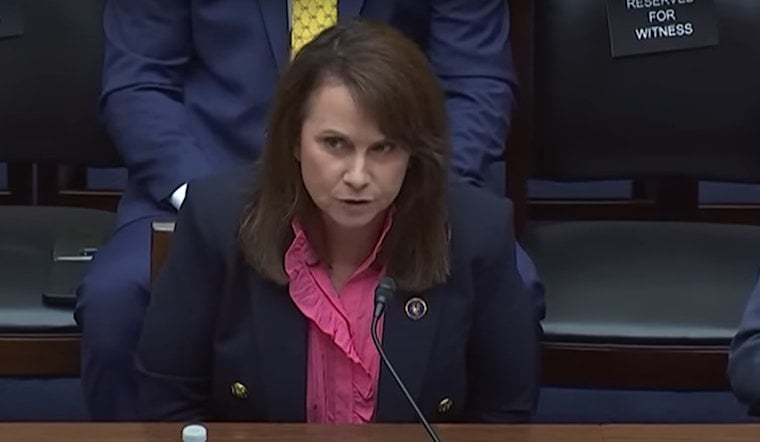
Louisiana Attorney General Liz Murrill filed a lawsuit on August 31 accusing Express Scripts of artificially driving up prescription drug prices across the state, naming the pharmacy benefit manager and its affiliate Ascent Health Services as defendants. The suit, filed in federal court in the Eastern District of Louisiana, argues that a 2019 agreement between Express Scripts and Prime Therapeutics amounts to a naked price-fixing arrangement that has cost Louisiana patients and pharmacies for years.
According to NOLA.com, Express Scripts oversees prescriptions for about 71% of Louisiana residents, per the lawsuit, and serves as the pharmacy benefit manager for Blue Cross Blue Shield Louisiana, the state's largest private health insurer. The complaint accuses Express Scripts of scheming with Prime Therapeutics to manipulate fees and reimbursements, restricting competition, steering patients toward pharmacies it controls, and limiting when patients can access less-expensive generic drugs. Murrill's office says the lawsuit also alleges Express Scripts conceals its profits and artificially suppresses payments to independent pharmacies.
“Louisiana families should not have to fight a profiteering middleman to afford prescribed medicine,” Murrill said, according to the NOLA.com report. State officials argue that a handful of PBMs control the lion's share of prescriptions and use that market power to drive up costs, while also benefiting from vertical integration with pharmacies they own.
Prime Therapeutics Pushes Back, Says Deal Saved Billions
Prime Therapeutics is not named as a defendant in the lawsuit but has disputed the suit's characterization of its agreement with Express Scripts. The company said the arrangement lowered costs at pharmacy counters and delivered billions of dollars in savings, while maintaining broad pharmacy access for tens of millions of Americans. Prime also warned that reversing the agreement would increase costs for patients, employers, health plans and taxpayers, and per the attorney general's office, Express Scripts and Prime Therapeutics have said their joint negotiations provide more bargaining power to secure lower prices from drugmakers.
Murrill's lawsuit alleges the companies worked together to set higher fees and misled insurers and patients about lowering drug prices, and it claims the arrangement caused drugs to cost more than they would in a properly functioning market. Express Scripts, according to the lawsuit, created Ascent Health Services to handle price negotiations with drug manufacturers, and Prime Therapeutics later bought a minority stake in that entity. Express Scripts did not immediately respond to a request for comment, per the NOLA.com report. More broadly, pharmacy benefit managers have disputed accusations that they drive up drug prices, instead blaming pharmaceutical companies for high costs.
Part Of A Growing Legal Wave Against PBMs
Murrill has already shown she is willing to take PBM litigation to the finish line: in February, she agreed to a $45 million settlement resolving three separate lawsuits against CVS Health Corp. and its pharmacy benefit arm, Caremark, according to BenefitsPRO. That settlement included allegations that CVS sent mass text messages using customer personal data to oppose state PBM regulation legislation. CVS Caremark also serves as the pharmacy benefit manager for the Louisiana Office of Group Benefits, which handles prescription drug coverage for state employees and public school teachers.
Louisiana's new lawsuit against Express Scripts lands just four days after Florida Attorney General James Uthmeier filed a similar suit in Polk County Circuit Court over the same 2019 collaboration agreement, as Hoodline reported in its coverage of Florida's PBM lawsuit. Michigan Attorney General Dana Nessel filed a federal antitrust lawsuit against the same two companies back in April 2025, alleging the agreement suppressed pharmacy payments and created “pharmacy deserts” across her state, according to the Michigan Attorney General's Office. In July, a group representing nearly 5,000 independent pharmacies filed its own federal antitrust lawsuit in Washington against Express Scripts and Prime Therapeutics, accusing them of Sherman Act violations for coordinating reimbursement rates, as reported by Becker's Payer Issues.
An Arbitration Ruling Already Found Price-Fixing
The legal pressure on this specific agreement isn't new. In January 2025, an American Arbitration Association arbitrator found Prime Therapeutics liable for illegal horizontal price-fixing with Express Scripts, awarding $10.3 million in treble damages to the AIDS Healthcare Foundation, according to Fierce Healthcare. Under the 2019 agreement, Prime adopted Express Scripts' lower reimbursement schedules, cutting pharmacy reimbursement rates on nearly 80% of brand-name prescriptions and 70% of generic drugs, per Legal Newsline's reporting.
Federal regulators have also been circling the industry. Express Scripts settled with the Federal Trade Commission in February 2026 over insulin pricing claims, agreeing to offer standard net-cost formularies and reshore Ascent Health Services, while CVS Caremark reached its own FTC settlement in July 2026 that regulators estimated would save consumers $8.5 billion over a decade. The FTC has estimated that CVS Caremark, Express Scripts and OptumRx collectively administer roughly 80% of all prescription drug claims in the country, giving a small number of PBMs outsized power over drug pricing nationwide.
Louisiana Lawmakers Have Already Moved On PBMs
The Louisiana Legislature has passed several laws aimed at PBMs, including measures that set higher reimbursement rates for independent pharmacies and changed how PBMs can charge service fees, though a 2025 bill that would have banned companies from owning both a PBM and pharmacies did not pass. Murrill is asking a judge to impose a civil judgment, order the companies to pay damages, and halt what her office calls anticompetitive behavior. She said PBMs profit from higher drug prices, squeeze community pharmacies and limit patient choices, framing the lawsuit as part of a broader push by Louisiana leaders who accuse pharmacy benefit managers of driving up prescription drug costs statewide.



