

























































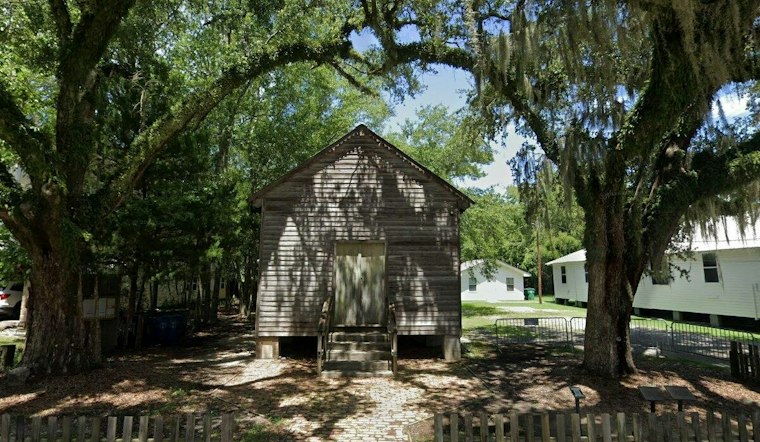
The Smoking Time Jazz Club will open the fall 2026 season at the Dew Drop Jazz & Social Club Hall in Old Mandeville on September 26, bringing a night of 1920s blues and jazz to the oldest surviving, virtually unaltered rural jazz hall still operating anywhere in the world. Doors open at 5:30 p.m., with the band taking the stage from 6:30 to 9 p.m. at the hall's longtime home at 430 Lamarque St.
As reported by NOLA.com, the New Orleans-based ensemble will perform music by Ma Rainey, Clara Smith and Bessie Smith, blending early blues with Smoking Time's own lively New Orleans style. The band is led by New Orleans singer Sarah Peterson and includes Hunter Burgamy and Brett Gardner on guitar and banjo, Joe Goldberg on clarinet, alto saxophone and soprano saxophone, John Joyce on upright bass, Mike Voelker on drums, James McClaskey on banjo and vocals, and Jack Pritchett on trumpet, with Charlie Halloran occasionally joining on trumpet as well.
A Hall Built for the Community, Long Before It Became a Landmark
The Dew Drop's roots go back further than jazz itself. The Dew Drop Social and Benevolent Association was founded on May 5, 1885, as a mutual aid organization providing healthcare, financial assistance and social support to Black community members, according to the City of Mandeville. The association built its Lamarque Street hall a decade later, in 1895, at a time when such mutual aid societies were essential lifelines for Black residents barred from white-owned financial and medical institutions.
That history helped earn the hall a spot on the National Register of Historic Places in 2000, recognized as a rare surviving African American benevolent association building in southern Louisiana, per the city. Preservationists and government historical agencies, including the Advisory Council on Historic Preservation, consider it the world's oldest surviving, virtually unaltered rural jazz hall still in operation, with the unpainted wooden building retaining its original late-19th-century architecture and layout.
Segregation-Era Sanctuary for Early Jazz Legends
In the early 20th century, Black musicians crossed Lake Pontchartrain by ferry to play at the Dew Drop, since segregation laws shut them out of local hotels, according to Atlas Obscura. Urbanites from New Orleans would ferry north to escape the summer heat while Black musicians provided the entertainment that made those nights memorable. Among the early jazz pioneers who performed at the hall were cornetist Buddy Petit, trombonist Kid Ory, trumpeter Bunk Johnson, and a young Louis Armstrong, per the Advisory Council on Historic Preservation.
The hall sat largely abandoned for decades after World War II before the City of Mandeville acquired it in 2000 through a civil donation from owner Jacqueline Vidrine, restoring it with help from the National Park Service, Atlas Obscura reports. Friends of the Dew Drop formed in 2006 to manage concert scheduling, facility preservation and seasonal programming, according to 64 Parishes. The organization also sponsors JazzKids, a program offering free music lectures and live performances by Louisiana artists to St. Tammany Parish schools, per Visit The Northshore.
Fitting Repertoire for a Storied Venue
The Smoking Time Jazz Club is a natural fit for the occasion. The group has kept a consistent core lineup fronted by Sarah Peterson, according to The Syncopated Times. Peterson will perform material by 1920s blues legends Bessie Smith and Clara Smith at the Dew Drop.
What to Know Before You Go
Admission is $15 for adults to enter the grounds, while kids and students get in free, and the hall sells no advance tickets. The venue offers inside seating for roughly 100 people on a first come, first served basis, though most guests choose to sit outside under the live oaks. Smoking, ice chests, outside food or drinks, and pets are not allowed on the grounds.
The bar serves beer, wine, sodas and water, but it is cash only, and dinner sales also prefer cash. Next door, the ladies of the First Free Mission Baptist Church sell hot plate dinners of fried chicken, fried fish and all the fixings, with homemade food cooked at the church. Guests are encouraged to bring a lawn chair and can park in the lot across the street or on neighborhood streets, taking care not to block driveways. Because parking is limited, organizers suggest biking, carpooling or getting dropped off instead.





