

























































A 23-month-old boy died Tuesday evening after being found in a pond on his family's property along Darling Street in Martin County, according to the Martin County Sheriff's Office. Pablo Mendoza-Arrojo had been outside with family members in the yard shortly after 5 p.m. when he went out of sight for no more than 10 minutes, family members told investigators, before he was discovered in the water.
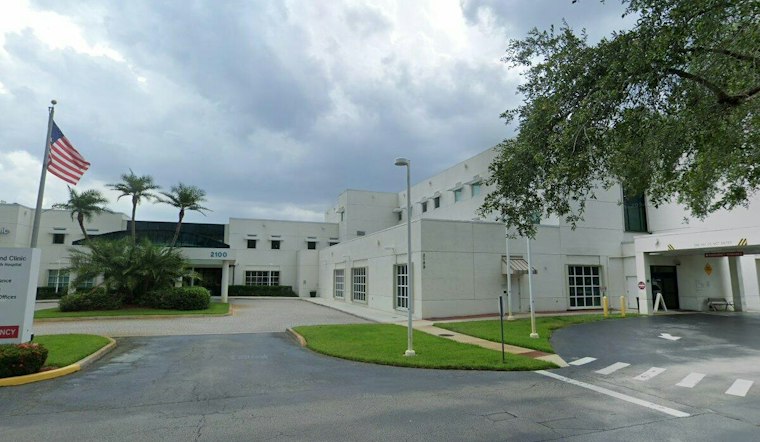
Family members took the toddler to Cleveland Clinic Martin South Hospital, according to WPEC, where he was pronounced dead in the emergency room despite lifesaving efforts, the sheriff's office said. The hospital operates a 24-hour emergency department and is a Cleveland Clinic facility. Pablo's mother and aunt had started searching for him after realizing he was missing, and he was later identified by deputies.
Investigators Interview Everyone at the Scene
MCSO criminal investigators interviewed everyone present and are reviewing the circumstances of the child's death, the station's report notes. The sheriff's office has not said whether anyone will face charges. It remains unclear whether the Darling Street pond had any physical barriers or perimeter warnings, and whether investigators have identified any code violations tied to the property's water feature.
A Record Year for Child Drownings in Florida
Pablo's death comes after Florida logged an all-time record of 119 to 120 child drownings in 2025, according to WLRN. The state remained on a similarly deadly pace this year, with at least 74 child drowning deaths statewide recorded through late July, per the same report. Toddlers under age three account for nearly 80% of all child drowning victims in Florida, and drowning remains the leading cause of unintentional death for children ages 1–4, according to the Florida Department of Health.
State health data shows the drowning death rate for children four and under runs roughly six per 100,000 residents, nearly three times the statewide average across all age groups. More than 80% of fatal child drownings happen during unsupervised “non-swim time,” when a child wanders out of sight for only a few minutes, according to state data cited by Lori's H2O Skills Florida — a detail that mirrors how Pablo went missing from his own yard for less than 10 minutes.
Pools Are Regulated. Ponds Largely Aren't
Florida's Residential Swimming Pool Safety Act, under Chapter 515 of state law, addresses residential swimming pool safety. But that law does not require perimeter fencing or safety barriers around residential retention ponds, according to News4JAX. Safety engineers and legal experts say ponds carry hidden dangers pools don't, including steep underwater slopes, slippery bank erosion, and sudden drop-offs that can turn an accidental fall deadly within seconds.
Hoodline has previously reported on the same regulatory gap after a Jacksonville family's retention pond lawsuit and after a 3-year-old girl with autism drowned in a North Jacksonville retention pond last month. In South Florida, Palm Beach, Broward, and Miami-Dade counties recorded at least 13 to 15 child drownings through July, prompting regional hospital systems to issue public warnings, per a report referenced by SF STAT!.
State Lawmakers Weigh New Safety Rules
The Florida Legislature considered legislation earlier this year to mandate enhanced water safety education for parents and impose stricter water safety rules on residential vacation rentals, according to FOX 13 Tampa Bay. The Florida Senate unanimously backed the vacation rental safety requirements after 2025 set the state record for child drownings, the outlet reported. Separately, the Florida Department of Health has a Swimming Lesson Voucher Program to cover swim instruction costs for eligible low-income families with young children.





