

























































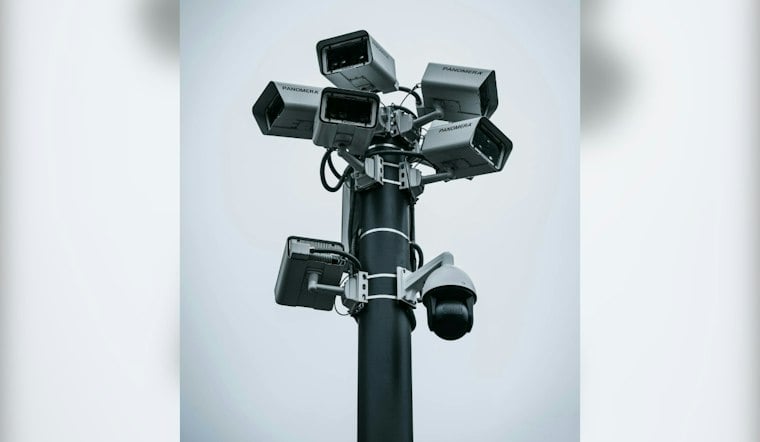
Methuen has canceled its contract with Flock Safety, ordering the city's automated license plate readers covered and removed after a city councilor discovered that a neighboring police department had searched her plate once. The figure of 359 referred to an officer's overall search activity, not searches of her plate. The decision, announced jointly by city leaders, caps a three-week unraveling of the surveillance program that began with a routine data audit and ended with the cameras coming down entirely.
A Councilor Becomes the Case Study
City Councilor Patricia Valley had voted in favor of approving the Flock cameras in good faith, but she became the unlikely face of their downfall after finding, through a public transparency database, that the Lawrence Police Department had searched her license plate once. The figure of 359 referred to an officer's overall search activity, according to Mass Daily News. Lawrence police cited an active May 2025 hit-and-run investigation as the reason for the search, but Valley said she was never notified she was even a person of interest. Her public demand that the cameras be ripped out turned what had been a quiet technology review into an urgent citywide reckoning over how far neighboring agencies could reach into Methuen residents' movements.
In a joint statement issued this week, Mayor David P. “D.J.” Beauregard Jr. and Acting Police Chief Jamie Moore said the existing Flock cameras would be covered immediately and removed, according to the City of Methuen. The statement made clear that no Methuen officers had misused the system, but that Flock itself failed to provide sufficient data protections or allow the city adequate local control. As reported by WHDH, the city said the platform simply did not meet its standards for keeping data controlled at the local level.
From Quiet Audit to Full Cancellation
The cancellation didn't happen overnight. Weeks before ending the program, the city had paused additional Flock installations and conducted an audit. Valley's discovery and the audit preceded the decision to end the relationship with Flock entirely.
Methuen officials aren't walking away from license plate reader technology altogether, even as they walk away from Flock. City leaders pointed to a December 2025 investigative success in which ALPR detections helped trace a rental car tied to the suspect in a Brown University shooting and an MIT professor's killing to a storage facility in Salem, New Hampshire, according to WHAV.net. Methuen officials say they need investigative capabilities and plan to pursue an alternate system that meets the city's privacy and local data-control standards while still delivering those tools, per WHDH's report.
A Statewide Retreat From Flock
Methuen is far from alone. More than 25 Massachusetts municipalities have ended, suspended, or declined to renew their Flock Safety contracts as of this month, driven by privacy concerns and data-sharing risks that civil liberties advocates have flagged repeatedly, according to Boston 25 News. Hoodline has tracked the trend closely, previously reporting on Boylston suspending its own cameras, on Waltham covering its readers with trash bags, and on both Douglas pulling the plug on its contract and Hopkinton ending its own agreement.
Not every neighboring city is choosing outright removal. In August, Haverhill voted unanimously to direct its city solicitor to draft an ordinance establishing strict guardrails and usage rules for its 19 Flock cameras at city entrances and downtown, WHAV.net reported, showing how some Merrimack Valley communities are opting for regulation over cancellation.
Methuen's decision also lands amid heightened scrutiny of its own police department. Less than a week before the city canceled its Flock contract, former Methuen Police Chief Joseph Solomon pleaded guilty to 17 criminal counts, including perjury and procurement fraud, ending a high-profile municipal corruption case, according to the City of Methuen. Methuen officials said government officials have a responsibility to keep people safe while maintaining public confidence in law enforcement's use of modern technology, a balance the city is now trying to strike as it searches for a replacement system that keeps investigative tools in place without repeating the data-control gaps that pushed Flock out the door.





