

























































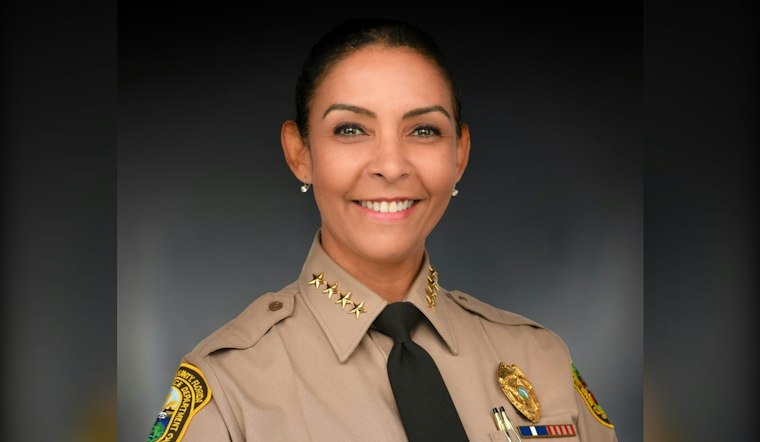
Miami-Dade Sheriff Rosie Cordero-Stutz says the county's newly adopted 2026–27 budget leaves her office $42.037 million short of what it needs to meet existing obligations and hire essential deputies and civilian employees, and she's taking the fight to the state. In a statement posted to social media, the sheriff said the gap will hit planned deputy hiring, academy classes and critical civilian positions unless more money is found.
The dispute follows an all-night Miami-Dade County Commission hearing on September 18, when commissioners approved a $14.26 billion total county budget while keeping the operating property tax rate flat at 4.57 mills, according to WPLG Local 10. That package includes $1.2 billion for the Miami-Dade Sheriff's Office, a $66 million increase in general fund allocations that marks the first time the agency's budget has topped $1 billion. Mayor Daniella Levine Cava has pointed to that $1.2 billion total as evidence the county's proposal was sufficient.
Cordero-Stutz has argued otherwise. During budget deliberations, the sheriff said her agency faces $62.5 million in mandatory, binding collective-bargaining salary obligations that must be paid no matter what the county approves, per the same Local 10 report. Fixed labor cost increases, she has said, leave little room for recruit pay raises or station repairs without additional funding.
Sheriff Heads to Tallahassee
The Miami-Dade Sheriff's Office confirmed it will appeal the adopted budget to Florida's Administration Commission, according to a Miami-Dade Sheriff's Office
statement posted Friday. Cordero-Stutz said the appeal will show where the county can find the savings needed to cover the sheriff's obligations and supply the resources necessary to protect and serve the public — and said it will do so without raising taxes and without cutting needed county programs.
Under Florida Statute § 30.49, a county sheriff has 30 days after receiving written notice of a commission's budget action to file an appeal petition with the state Administration Commission. That body, which hears sheriff budget appeals, is chaired by Governor Ron DeSantis and made up of members of the Florida Cabinet, the outlet reports. Under Florida Administrative Code Rule 28-43.009, the appeal triggers a formal budget panel hearing followed by a binding final order from the commission, according to the Legal Information Institute.
What's at Stake for Other County Services
Levine Cava has said that if the Florida Cabinet grants the sheriff's appeal, county commissioners will have to reconvene to decide which other county services must be cut to cover the additional funding, the mayor told Local 10. That warning sets up a direct standoff between the constitutional sheriff's office and county government over how far the state can reach into local budget decisions.
The clash traces back to a structural shift that took effect in January 2025, when Miami-Dade re-established an independent, elected sheriff's office under Florida Amendment 10, ending nearly 60 years in which law enforcement operated under the appointed county mayor's administration, according to the Florida Sheriffs Association. For nearly six decades, county law enforcement spending sat under the direct executive authority of the mayor's office. Former Miami-Dade Mayor Carlos Gimenez warned back in 2018, during the Amendment 10 campaign, that restoring an independent constitutional sheriff would lead to ongoing budget battles with the county commission and state administrative appeals, as reported by Political Cortadito.
A Growing Agency Under Financial Pressure
The Miami-Dade Sheriff's Office now employs roughly 5,000 total personnel, including 3,200 sworn officers, making it the largest sheriff's agency in the southeastern United States. That scale underscores what's at stake in the funding dispute, coming just weeks after Hoodline reported on a fatal crash involving a deputy vehicle that detailed the agency's size and history following its restoration.
Whether Governor DeSantis and the Cabinet will side with Cordero-Stutz and order additional funding for the sheriff's office remains an open question. The answer will determine not just the size of the sheriff's budget, but whether county commissioners are forced back to the table to cut funding elsewhere to pay for it.


