

























































Miami has officially cemented its status as one of America's premier coffee destinations, landing the No. 3 spot in a new national ranking released this September. The city known for its 3:05 p.m. cafecito break and walk-up ventanita windows beat out dozens of larger metros, trailing only Orlando and Portland, Oregon in the rankings.
The rankings come from WalletHub, which released its national coffee-city study in September comparing the 100 most populated U.S. cities, according to the Miami Herald. The personal finance site evaluated cities across 12 metrics, including average coffee-pack prices, average household coffee spending, and even Google search traffic tied to coffee, drawing on data from the U.S. Census Bureau, the Council for Community and Economic Research, the U.S. Bureau of Labor Statistics, and Google Trends. Orlando took the top overall spot, with Portland, Oregon at No. 2, Miami at No. 3, Long Beach, California at No. 4, and Seattle rounding out the top five. Tampa also cracked the top six, giving Florida three cities in the top six nationally, a showing separately confirmed by FOX 13 Tampa Bay.
Why Miami's Coffee Culture Stands Out
Part of what sets Miami apart, according to the Herald's reporting, is the city's many coffee shops rated 4.5 out of 5 stars and its status as home to the third-most coffee shops offering wireless internet in the country. Miami residents spend almost $151 on coffee per year, per the WalletHub study, a figure that sits well below the national high of over $320 posted by Fremont, California, while New Orleans recorded the lowest average coffee pack prices nationally, according to WalletHub. Miami also ranked third nationally for coffee and tea shops offering free Wi-Fi per capita, trailing only top-ranked Orlando, according to WalletHub's rankings as reported by Central Florida Lifestyle.
Fabio Caro, who founded Macondo Coffee Roasters based in Miami-Dade County, said Miami's coffee identity is tied to its Latin American community and hospitality traditions. Macondo Coffee Roasters uses Colombian beans and brew methods, reflecting the broader wave of Latin American influence woven into the city's coffee scene alongside its Cuban roots.
A Coffee Break Written Into City Law
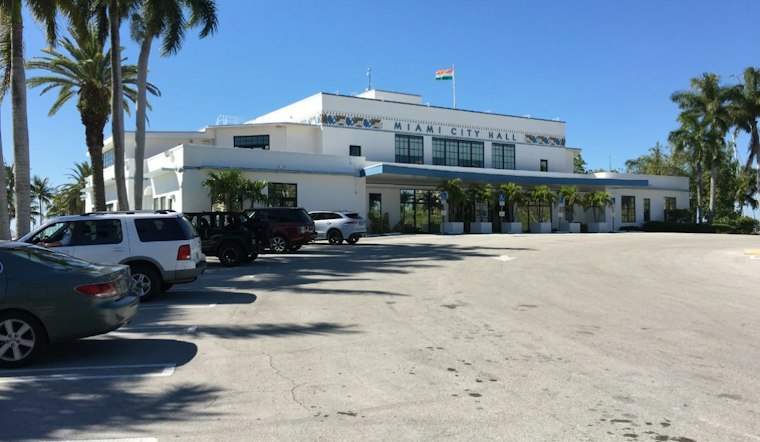
Miami's cafecito culture runs deeper than café counts. The city has a signature coffee break at 3:05 p.m., a nod to the 305 area code that began as a social media campaign in 2012 launched by local publicist JennyLee Molina before City of Miami Mayor Tomás Regalado issued an official proclamation in 2013 formally establishing the daily coffee break, according to BELatina. The move made Miami the only U.S. city with a formally recognized daily coffee break.
That civic embrace of cafecito culture is visible on Miami's street corners, where walk-up coffee windows known as ventanitas have become neighborhood institutions. The tradition traces back to Felipe Valls Sr.'s ventanita coffee stand, which began in the early 1960s, before Versailles opened in 1971, according to CBS News. Jesus Verde, who manages Versailles Restaurant, said the restaurant serves authentic Cuban coffee with flavor. Those ventanita windows have since grown into informal gathering spots for political debate and neighborhood connection.
Specialty Roasters Join the Cubano Tradition
Alongside the traditional cafecito scene, Miami has also seen a specialty coffee movement take root over the past decade and a half. Panther Coffee opened in Miami in 2009, when the city was not yet known for hand-roasted coffee. Leticia Pollack said Panther Coffee is proud to be part of Miami's coffee scene, adding that the city's high ranking reflects the dedication of local baristas and the community's passion for coffee.
Traditional Cuban cafecito itself involves a distinct technique unlike most American coffee drinks: baristas whip the initial concentrated drops of dark-roast espresso directly into sugar to form espumita, a thick caramelized foam that sweetens the beverage without dairy, according to Barista Magazine. That labor-intensive method helps explain why Miami's coffee identity resists easy comparison to chain-driven coffee cities elsewhere in the rankings.
National Demand and Supply Chain Headwinds
Nationally, 66% of American adults drink coffee daily, and separate association data from this month showed out-of-home coffee consumption among daily drinkers rose to 38%, its highest level since January 2020, while 47% of U.S. adults reported drinking an espresso beverage weekly, according to PR Newswire.
Miami's role as a coffee hub hasn't been without setbacks. PortMiami saw coffee imports decline 33.8% after J.M. Smucker Company acquired Miami-based Rowland Coffee, the producer of Café Bustelo and Café Pilón, and relocated processing operations to New Orleans in 2014, according to Miami-Dade County records. Miami-Dade officials have since pursued initiatives aimed at rebuilding direct green coffee import routes from Latin America, underscoring that the city's coffee reputation now rests as much on culture and consumption as it does on the trade routes that once ran through its port.
With National Coffee Day approaching on September 29, Miami's ranking gives local roasters and cafecito counters another reason to celebrate a coffee identity built on both heritage and hustle.



