

























































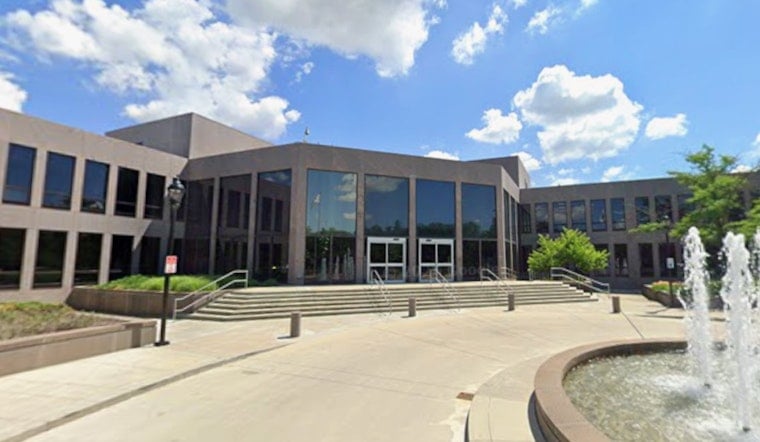
Naperville’s City Council voted down an $8.3 million plan to overhaul security cameras and door-access systems across municipal buildings this week, sending police back to the drawing board over unresolved questions about privacy, audits and why the city needs nearly 270 new cameras in the first place. The rejected proposal would have replaced about 200 existing city cameras, added 270 new ones, swapped out 404 access readers and installed 98 more, all while introducing an artificial-intelligence search tool built primarily for police investigations.
The vote, which took place on September 1, would have awarded a three-year contract to Chicago-based IT consulting firm SDI Presence LLC, according to the Naperville Sun. The contract, structured as procurement RFP 25-030, carried a price tag of $8,293,111 plus a 3% contingency and was meant to integrate Genetec software, replacement cameras, standalone fiber networking and badge-access control across city facilities, according to city meeting records. Naperville Police Chief Jason Arres told the council that many of the department’s existing cameras are reaching the end of their usable life, and he said the questions raised about the project were fair, per the Sun’s reporting.
The city currently runs 442 cameras across three main security systems that include security cameras, traffic cameras and building access control, the outlet reported. Those systems have been in place since 2013 and cover locations including water and electric utility facilities, the municipal center and Naper Settlement, where public access is already limited and a nighttime security guard patrols the building. Public vetting of the new proposal lasted only about five days before the vote, a timeline that fed council skepticism.
Council Members Wanted Answers Before Writing the Check
Councilman Josh McBroom, who opposed the project, said the city had not yet made its case for spending the money, according to the Sun. Councilwoman Mary Gibson raised specific concerns about the 60 additional cameras proposed for the municipal center alone. Not every member was opposed — Ian Holzhauer and Scott Wehrli both voted in favor of moving forward — but the majority sided with skeptics, and the council ultimately rejected the package rather than approving it outright.
Arres said he expects the project to return once the city has developed stronger written policies, the Sun reported. Under the proposal as pitched, camera footage would have been deleted after 30 days, with exceptions carved out for certain legal situations, and access to footage would have been based on an employee’s department and responsibilities. City officials said camera use would be audited, and misuse of the system could result in criminal charges where applicable, but council members wanted those safeguards spelled out in policy before committing multi-year tax dollars.
A Separate License-Plate Camera Network Muddied the Debate
Part of the confusion at the podium stemmed from a different system entirely. Naperville already operates a five-year, $684,300 sole-source contract with Flock Safety for 52 license-plate-reading cameras running through June 2028, backed in part by a $69,300 state Organized Retail Crime Grant, according to city legislative records. That vehicle-tracking network is separate from the facility camera and access-control project council just rejected, but public debate repeatedly conflated the two.
The timing didn’t help. Will County residents have been pushing back against continued use of Flock license-plate-reader cameras on county property, and those cameras have come under scrutiny for police misuse of camera access. Just weeks earlier, the Will County Board voted 14-8 to approve intergovernmental agreements permitting automated license plate readers along county rights-of-way serving Naperville and five other municipalities, as Hoodline reported in its coverage of neighboring Homer Glen, which suspended its own 12-camera Flock network after a Will County Sheriff’s deputy faced an internal investigation for alleged unauthorized access to camera records.
Park District Faces Its Own Camera Access Question
The council’s hesitation echoed a parallel debate playing out just blocks away. On August 27, the Naperville Park District Board discussed a draft memorandum of understanding that would give city police emergency, real-time access to park district security cameras during active threats, according to NCTV17. Park board members expressed concern about the proposal, mirroring the same worries about access boundaries that surfaced at City Hall.
Police leaders have pointed to rising crime figures to justify tighter monitoring. Naperville’s mid-year 2026 crime report showed motor vehicle thefts surged 82%, with 84% of those thefts involving unlocked vehicles, while fraud reports rose 58% even as overall property crime held stable, per Patch. One of the more attention-grabbing features in the rejected proposal was an AI search tool that could, for example, scan security-camera footage citywide for a green pickup truck — a capability police framed as an investigative aid rather than routine surveillance.
A Pattern of Incremental Camera Adoption
Naperville’s camera history stretches back years. The department outfitted all sworn officers with body-worn cameras in May 2022 to complement an in-car video system that had been running since 2014. State law shapes how those cameras operate: under the Illinois Law Enforcement Officer-Worn Body Camera Act, officers must record all enforcement encounters but are legally required to stop recording if a victim or witness requests it, subject to specific statutory exceptions.
The state has also expanded automated camera coverage well beyond local police departments. Illinois broadened its Tamara Clayton Expressway Camera Act in June 2022, steering more than $20 million toward installing hundreds of license-plate-reading cameras on expressways across 21 counties, including DuPage and Will, Hoodline previously reported. Naperville’s last major public-corridor camera upgrade came in January 2017, when the city replaced decade-old equipment with 12 high-definition cameras downtown, according to the Daily Herald.
For now, the $8.3 million facility overhaul is on hold. Arres has indicated the project will likely resurface once city staff draft the written privacy and auditing policies council members say they need before signing off on nearly 270 new cameras watching municipal buildings, parking decks and Naper Settlement.



