

























































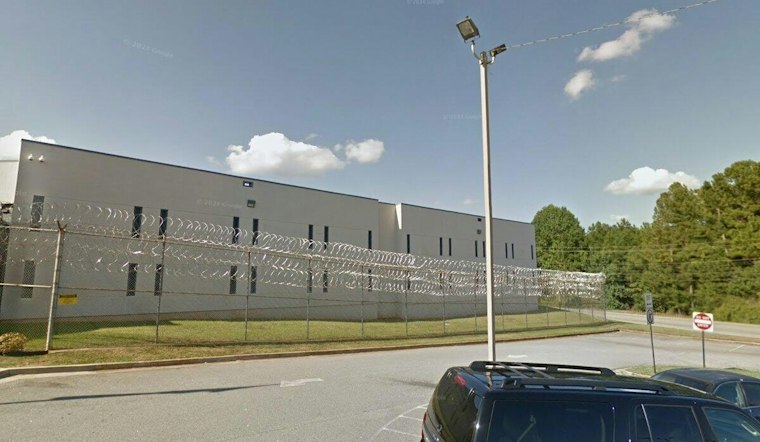
Newnan Police have restricted access to the department's Flock Safety license plate reader system to supervisors only, a move that comes as law enforcement agencies across north Georgia face growing pressure to explain how officers use the cameras and to prove they're protecting driver data.
The new access rule, reported by Fox 5 Atlanta, lands just weeks after neighboring Coweta County Sheriff's Office saw three employees resign following an internal audit that flagged their accounts for potential misuse of the same Flock system, according to CBS News. Those resignations happened before a formal investigation had even concluded, and they appear to have directly pushed Newnan to re-evaluate who gets to query its own cameras. Public records compiled by the Electronic Frontier Foundation's Atlas of Surveillance show Newnan Police operated five Flock Safety cameras as of September 2025.
A Statewide Purge Reaches North Georgia
Newnan's tightened policy is only the latest entry in what has become a sweeping, months-long reckoning across Georgia. During the summer of 2026, internal audits and Georgia Bureau of Investigation probes led to disciplinary action or criminal charges against officers in Cherokee County, Albany, Richmond County, Savannah, and Habersham County, all tied to improper Flock database searches, per the same CBS News account. The pattern has repeated itself so often that it's now treated less as an isolated scandal and more as a systemic gap in oversight.
The University of Georgia Police Department announced it had suspended an IT staff member for unauthorized Flock database searches tied to off-campus personal incidents and restricted all future queries to supervisors. Nationally, more than 70 reports of misuse of license plate readers have been documented, according to KCRG-TV9.
What Georgia Law Actually Allows
Under Georgia Code § 35-1-22, obtaining captured license plate reader data under false pretenses or accessing it for non-law enforcement purposes is classified as a high-and-aggravated misdemeanor, according to Justia Law. The same statute permits agencies to store captured data for up to 30 months before requiring its destruction, unless records are tied to active criminal investigations or toll enforcement.
That statutory ceiling stands in sharp contrast to changes coming from the technology's manufacturer. Atlanta-based Flock Safety announced platform-wide updates in mid-August recommending agencies shorten default data retention from 30 days down to seven, while introducing an “Evidence Mode” for storing data tied to active cases, according to WUSF. The company also said that by the end of 2026, officers will be required to enter a case number or identifying code before running any database search, per Police1. Case numbers had previously been optional for many subscribing agencies.
Permits and Prior Local Scrutiny
Before agencies can even mount the cameras along state roads, they must first secure an official ALPR permit from the Georgia Department of Transportation, which governs physical installation of the devices on public rights-of-way. That regulatory layer sits alongside the access and retention questions now dogging departments statewide.
Newnan's decision follows Hoodline's earlier coverage of the Coweta County resignations, and it arrives as Hoodline reported that two Peachtree City officers left after separate Flock-misuse incidents. Together, the cases paint a picture of a technology that expanded quickly across Georgia law enforcement before the guardrails around who could use it — and for what — were fully worked out. Whether supervisor-only access will be enough to prevent future misuse, and how closely that access will be audited going forward, remains an open question as departments across the state continue to adjust their policies.





