

























































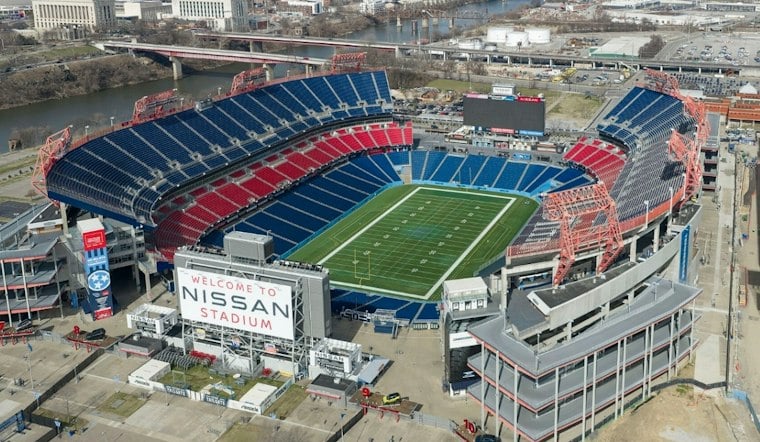
Nissan Stadium's synthetic turf reached a scorching 157 degrees during the third quarter of Sunday's game between the Philadelphia Eagles and Tennessee Titans. Titans safety Amani Hooker said his cleat midsoles melted completely off during the Titans' second regular-season game.
The eye-popping temperature reading was reported during the Fox broadcast.
The Sept. 20 matchup against the Philadelphia Eagles was the Titans' second regular-season game, following their Sept. 13 home opener against the New York Jets. It's also occurring during the franchise's final full season in the open-air venue, since the team is currently building a $2.1 billion domed replacement next door, slated to open in February 2027.
Heat Meets an Aging Open-Air Field
The field reached extreme temperatures during Sunday's game.
Why the Turf Runs So Hot
Nissan Stadium's synthetic surface isn't ordinary artificial turf. The Titans removed the stadium's natural grass and installed Matrix Helix synthetic turf with organic infill for the 2023 season, becoming the first NFL stadium to use the organic infill technology, according to the Tennessee Titans. The switch followed team data showing Nissan Stadium had higher lower-body injury rates than synthetic surfaces elsewhere in the league, and it addressed a longstanding problem: Nashville sits in a transition climate zone where maintaining consistent natural grass late in the NFL season has historically proven difficult.
Organic infill is engineered to run 20 to 40 degrees cooler than traditional rubber-infill turf, but that cooling effect depends on regular watering on warm days, according to team technical specifications reported by FOX Sports. That's why regular watering is important on warm days.
The Science Behind the Scorching Surface
The 157-degree reading illustrates how hot synthetic fields can become.
That heat has a real physical effect on footwear.
Managing the Heat
Despite the extreme readings, regular watering can help manage turf heat.
The gap has fueled ongoing friction between the league and its players. According to NFL Players Association survey data reported by Athletic Business, 92 percent of NFL players prefer natural grass, citing both surface heat retention and league tracking data from 2012 to 2018 showing a 28 percent higher rate of non-contact lower-extremity injuries on artificial turf. The NFLPA continues to advocate for natural grass leaguewide, pointing to both lower injury rates and reduced thermal stress on players.
A Farewell Season With an Expiration Date
For Nashville, Sunday's scorching turf reading comes with a built-in shelf life. The Titans are in the final open-air season at Nissan Stadium before the franchise moves into its domed replacement next door in February 2027. Once that stadium opens, future September home games will no longer be subject to the kind of open-air heat extremes that turned Sunday's field into a hazard for players' equipment.





