

























































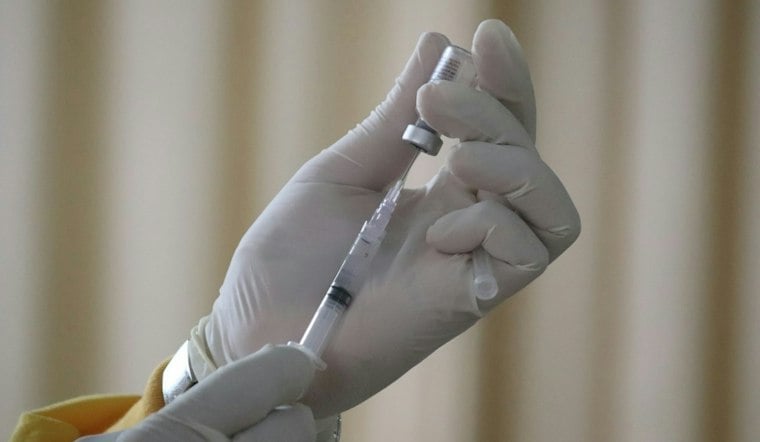
New York City COVID-19 hospitalizations climbed to their highest weekly level since early October 2025, with more than 500 admissions recorded across the five boroughs between August 30 and September 5, according to state data. Confirmed case counts also ticked up, even though overall COVID activity remains lower than in previous years at this point in the season. The city recorded 12 COVID-related deaths during the first week of September, per state data, as city and state health officials renewed calls for New Yorkers to get vaccinated against flu, COVID-19 and RSV before the fall surge deepens.
The uptick tracks with what Gothamist first reported Monday, and it lines up with New York State's wastewater surveillance data, which showed a similar rise in COVID activity statewide. That network tracks SARS-CoV-2 concentrations in sewage treatment plants as an early warning system for community surges, according to the NYS Wastewater Surveillance Network. RSV emergency department visits also ticked up citywide, though flu ED visits have remained flat, per city data.
Citywide, NYC Health tracks emergency department visits for COVID-19 and respiratory illness. Emergency department visit trends are one indicator of respiratory illness activity. Nationally, the picture looks similar: the Centers for Disease Control and Prevention estimated as of September 9 that COVID-19 infections were growing or likely growing in 35 states, according to the CDC, signaling a widespread late-summer surge well beyond New York.
A Variant Behind the Surge
The current wave is being driven largely by the JN.1-lineage XFG variant, which became the dominant strain nationwide in late summer, according to reporting from the seed article's timeline. On August 27, the U.S. Food and Drug Administration approved updated 2026–2027 COVID-19 vaccines from Moderna, Pfizer-BioNTech and Novavax-Sanofi engineered specifically to target that strain. The FDA's guidance recommended the updated shots for people over 65 or with underlying health conditions, per the seed report's account of the agency's stance.
Following that approval, healthcare analysts flagged ongoing uncertainty around commercial insurance coverage mandates for younger, healthy adults, as noted by The Guardian. Coverage rules can affect what New Yorkers pay at the pharmacy counter.
City and State Health Officials Issue Joint Guidance
On September 10, the New York City Department of Health and Mental Hygiene and the New York State Department of Health issued a joint endorsement of 2026–2027 respiratory virus immunization guidelines, backed by leading medical organizations including the American Academy of Pediatrics and the American Academy of Family Physicians, both of which endorsed the recommendations. The guidance, detailed by the NYC Department of Health, relied on a review of nearly 300 peer-reviewed studies. Officials recommended updated COVID shots for all adults, and the guidance extends to pregnant adults, children ages 6 months to 2 years, and older children with high-risk health conditions — while also allowing vaccination for children whose parents want them protected.
City and state officials also recommended RSV vaccination for older adults and infants, and annual flu shots for everyone over 6 months old. Health officials said vaccines remain the best protection against illness during respiratory virus season. During the 2025–2026 season, COVID-19 caused 13,000 hospitalizations statewide, compared with 27,000 for influenza and 14,000 for RSV — figures State Health Commissioner Dr. James McDonald highlighted to urge early preventive action.
Commissioner Martin Pushes Vaccine Access
NYC Health Commissioner Dr. Alister Martin said New Yorkers deserve accurate and reliable information to protect their families during respiratory virus season. Martin's prior organizational affiliations were not established by the cited Vot-ER source. He now leads the city's health department.
City health officials said anyone who wants a vaccination this season should be able to get one, though access varies by pharmacy. Walgreens does not require a prescription or proof for COVID vaccination and allows patients to self-attest that they qualify, though it does ask patients to confirm they are at high risk for severe COVID-19. CVS, meanwhile, does not ask covid vaccine patients about underlying medical conditions through its online scheduler and requires prescriptions for COVID shots only in Louisiana, per CVS. Recommended respiratory-virus immunizations are covered by private and public insurance plans as well as the federal Vaccines for Children program, and New Yorkers can find vaccination providers using the city's vaccine map.
Vaccine Effectiveness Data
A multi-center evidence evaluation published this year found that receiving a seasonal COVID-19 vaccine reduced emergency department visits and hospitalizations by approximately 50% among vaccinated adults, according to UCHealth. Separately, the American Medical Association and the Vaccine Integrity Project published a review of 299 studies released between August 2025 and June 2026 confirming that COVID-19, flu and RSV immunizations maintain strong safety and efficacy profiles, per the Hospital and Healthsystem Association of Pennsylvania. That review informed immunization recommendations.
The current hospitalization increase follows a winter in which flu cases topped 146,000 citywide. For now, city and state officials are pointing to early indicators — emergency department visits, wastewater data and hospitalization counts — as reasons for New Yorkers to get vaccinated before the fall respiratory season fully takes hold.




