

























































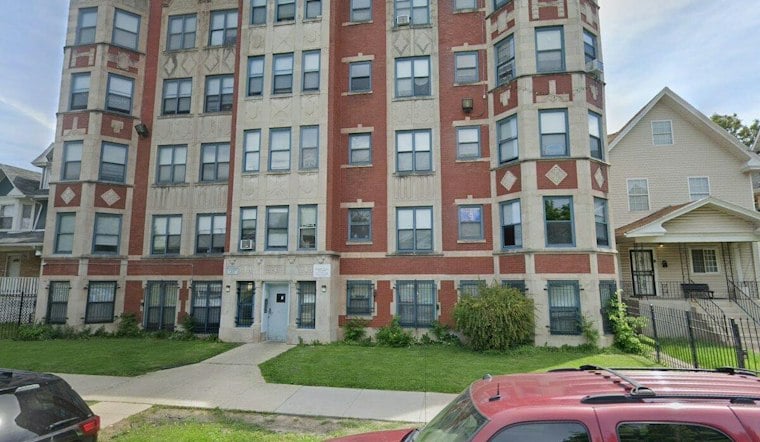
Park Ridge sits at roughly 8% affordable housing, short of the 10% threshold set by state law, and city leaders are now asking whether two years of relying on developer incentives will be enough to help the suburb meet the requirement. The question came to a head at a committee-of-the-whole meeting Monday night, where officials and residents debated whether voluntary carrots are enough or whether Park Ridge needs to start requiring affordable units in new development.
A Voluntary System Under Scrutiny
Park Ridge has used a voluntary, incentive-based approach to affordable housing for two years, according to the Chicago Tribune. Rather than mandating that developers include affordable units, the city allows greater development density when a builder agrees to construct units under federal affordable housing guidelines. Community Preservation and Development Director Drew Awsumb described the setup as a carrot-and-stick approach, and told the committee that the state passed the underlying law and that Park Ridge has to comply with it, per the same report.
The current guidelines were adopted in 2024 after roughly two years of planning, the Tribune's report notes. Park Ridge is at 8%, and the Illinois Housing Development Authority is expected to review the city's compliance with the state's 10% threshold in 2029.
What the 2029 milestone means
The City of Park Ridge says its Affordable Housing Plan, adopted March 20, 2024, placed the city in compliance with the state act until the Illinois Housing Development Authority updates its list of non-exempt municipalities in 2029. The IHDA’s 2023 statewide listing records Park Ridge at 8.1%: 1,237 affordable units among 15,199 total year-round units. That listing provides a dated measure of the city’s share; the materials cited here do not establish whether a newer municipal estimate has since been published. See the City of Park Ridge and the Illinois Housing Development Authority.
Officials Question Whether Incentives Are Enough
The Chicago Tribune reported that Alderperson Kristin Berg questioned whether incentives alone could bring Park Ridge to the 10% threshold. She said developers could seek density waivers without offering affordable housing in return and argued the council was responsible for ensuring the city met state law. Berg urged colleagues to consider an alternative to the voluntary approach, saying that, as things stood, nothing was being done.
The Tribune also reported that resident Nan Parsons backed Berg’s concerns and urged the council to show clearer support for affordable housing. Parsons identified about half a dozen area communities with mandatory affordable housing requirements in their development plans and said Park Ridge residents deserved more than a system built entirely on optional incentives.
Skepticism Over Political Will
According to the Tribune’s account, John Moran doubted the board was ready to overhaul the current approach. He questioned whether there were enough votes for more aggressive measures, such as mandatory requirements, and worried staff might spend time exploring alternatives that could not win support for a vote.
The Tribune reported that Alderperson Lauren Rapisand, who was not on the board when the current policy passed in early 2024, wanted to learn how neighboring communities structured their affordable housing policies. Awsumb said staff could prepare a brief presentation on other communities’ approaches, building on information previously presented to the planning and zoning committee.
Residents Weigh In, Next Steps Ahead
In its account of the meeting, the Tribune reported that residents who spoke favored expanding affordable housing options in Park Ridge. Requiring affordable units in future developments is one possible direction for the council, but it remains unclear whether members will pursue it. Officials could also weigh examples from suburbs that have adopted mandatory requirements.
The discussion is expected to continue at next month's council meeting, when staff may bring additional information for the board to consider. With the Illinois Housing Development Authority's 2029 compliance review still years away, Park Ridge officials have time to adjust course — but Monday's meeting made clear that not everyone on the council agrees on how urgently that adjustment needs to happen.





