

























































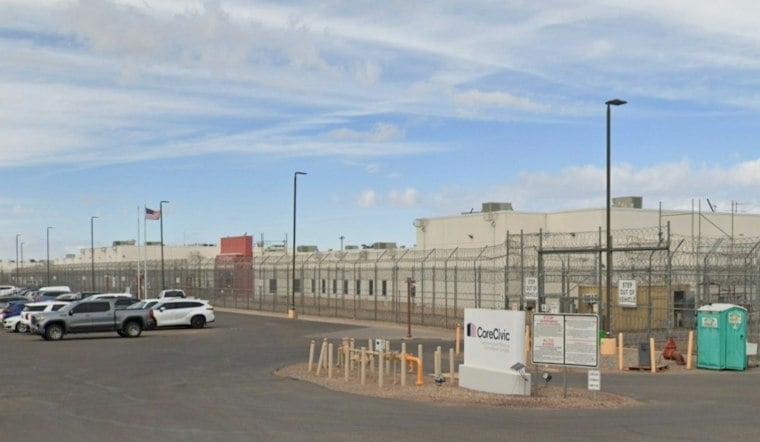
Kelly Yu spent nearly eight months locked inside a private detention facility in Pinal County before a federal judge ordered her release after agreeing with her habeas petition. Yu co-owns Kawaii Sushi & Asian Cuisine, with locations in Peoria and Glendale that employ roughly 30 workers who kept the restaurants running while she sat in custody.
U.S. District Court Judge Krissa Lanham agreed with Yu's habeas corpus petition, leading to her release, according to 12News. A Supreme Court precedent addresses a six-month constitutional limit on detention after a removal order. NPR also published a story about Yu, a Phoenix-area sushi restaurant owner, at NPR.
A Legal Fight That Crossed Party Lines
Yu's case drew an unusual coalition of supporters. Local West Valley Republican leader Lisa Everett joined progressive activists in publicly calling for Yu's release and helped with her legal petition in late 2025. Everett described Yu as an employer of dozens and praised her contributions to the community. U.S. Sen. Ruben Gallego also met with Yu's family during her detention, a visit Hoodline covered in an earlier report on Gallego's visit.
Support didn't stop with senators and local officials. Customers and staff organized petitions and social media campaigns to keep the sushi shops open while pushing for Yu's release, per the same account.
Eight Months Inside a Private Detention Facility
Yu was held at the Eloy Detention Center, a facility with capacity for 1,550 adults in Pinal County, run by DHS under contract with its owner, CoreCivic, that has faced years of scrutiny from human rights groups over detainee conditions, as reported by Cronkite News. A separate November 2025 report from the same outlet found that monthly ICE solitary confinement cases nationwide topped 1,000 detainees starting in April 2025, with Arizona facilities representing a primary concentration of isolation orders, as total ICE detention populations surged to roughly 60,000 nationwide by late 2025.
Yu entered the United States in 2004 as a pregnant 18-year-old seeking asylum from China's one-child policy, and received a final removal order after her appeals ended in 2016. Broader discussions of immigration detention have also addressed prolonged custody and efforts to deport some immigrants to third countries, as Phoenix New Times has reported.
Part of a Wider Surge in Habeas Petitions
Yu's case fits into a much larger legal trend playing out across Arizona's federal courts. Between January 2025 and March 2026, immigration attorneys filed more than 1,200 habeas corpus petitions in Arizona's U.S. District Court as a last-resort mechanism to free long-term detainees facing indefinite custody, the paper reports.
Yu's Removal Order Remains in Place
Department of Homeland Security Assistant Secretary Tricia McLaughlin has defended ICE detention standards generally. Yu is out of custody, but her underlying removal order has not been overturned, leaving her long-term immigration status unresolved.




