

























































Plymouth police asked the city council to keep the city's Flock Safety license plate cameras running, even as residents pushed back over a wrongful stop that left an automotive journalist and his wife surrounded by armed officers in a Kohl's parking lot. The department told the council the cameras have helped detectives follow a high-tech trail in criminal cases. The system had also flagged an innocent person as responsible for a crime.
The debate centered on a contract renewal worth $21,000 for eight cameras, part of a citywide network of 16 stationary units, according to KARE 11. Police Chief Erik Fadden presented the case for renewal directly to the council, citing the cameras' role in helping solve crimes even as he faced public testimony from residents wary of the technology.
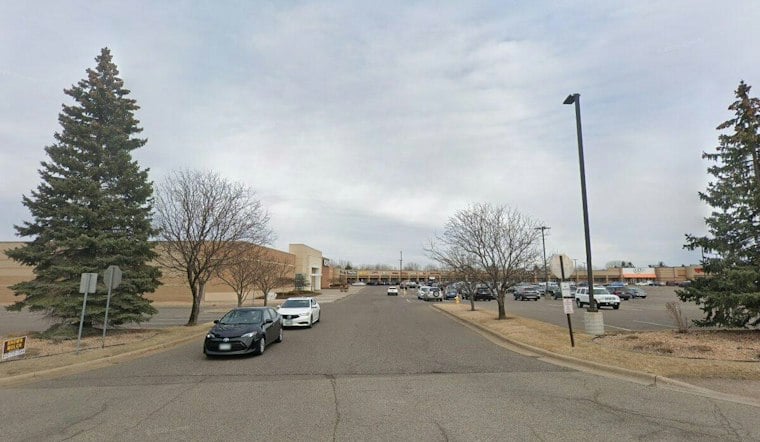
The controversy centers on the case of automotive journalist Joel Feder and his wife, who were detained at gunpoint in a Kohl's parking lot after a Flock camera misread a New Jersey manufacturer plate on a $155,000 Range Rover, according to CBS News Minnesota. The system matched the plate to a missing-plate record from Los Angeles, and a police report later described the plate as lost; Hoodline covered the case in our July report on the swarming at Kohl's.
Scan Volume Fuels Resident Distrust
Plymouth's own transparency portal shows the scale of the surveillance residents are worried about. City metrics recorded more than 580,000 license plate scans, 14,800 hotlist alerts, and 45 manual user searches within a single 30-day period leading up to July, per The Drive's reporting on the department's public dashboard. That volume of automated tracking, run largely by a private company, is part of why civil liberties advocates have grown uneasy even as police tout the system's investigative value.
Physical resistance to the cameras has followed the data concerns. Plymouth has also seen vandalism targeting Flock cameras. Similar equipment damage has struck other Minnesota communities, including Edina and Winona, part of a broader regional surge in camera destruction that Hoodline detailed in its report on Isanti County ending its Flock trial.
Other Minnesota Cities Have Already Pulled the Plug
Plymouth isn't alone in weighing whether to keep its cameras. Columbia Heights, Fridley, Isanti County, Sherburne County, and Duluth have all voted to cancel or sharply restrict their Flock contracts in 2026, according to FOX 9. The broader debate has included privacy and misuse concerns, including immigration-related searches, FOX 9 reported.
Flock Safety itself has adjusted its nationwide policies in response to the scrutiny, reducing default scan retention from 30 days to seven days and giving local police agencies tools to block federal immigration enforcement searches, FOX 9 reported. The company operates more than 120,000 cameras and records about 20 billion plate reads monthly, according to the same report.
State Law Sets Limits, But Legislation Stalled
Minnesota law already restricts how long this data can be kept. Under Minnesota Statute § 13.824, law enforcement agencies must destroy all automated license plate reader data not tied to an active criminal investigation within 60 days of collection, according to the Minnesota Office of the Revisor of Statutes.
Lawmakers tried to tighten those rules further earlier this year. Proposed legislation sought to prohibit out-of-state data sharing without a warrant, and the effort stalled in committee after a deadlock, according to MinneapoliMedia. Proposals also included centralizing law enforcement data oversight through the state's Bureau of Criminal Apprehension.
Nationally, Plymouth's fight fits a much larger pattern. At least 100 U.S. communities had rejected, canceled, or removed automated license plate reader contracts by August amid mounting privacy disputes and physical destruction of equipment, Hoodline previously reported.
Police Point to Cases the Cameras Have Helped Solve
Law enforcement's core argument rests on cases like one just across the city line. In neighboring Minneapolis, police credited automated license plate readers across 30 intersections with logging 31 million vehicle passes in two months and helping solve a July 20 shooting, combining camera footage with ballistics evidence to arrest a suspect, according to Hoodline's report on the North Minneapolis shooting case. It's the kind of outcome Chief Fadden and other Plymouth officials point to when arguing the cameras are worth keeping despite the errors and the vandalism.
For residents who watched the Feder stop unfold, that argument is a harder sell. The city council voted to discontinue all Flock services and all 16 readers, putting Plymouth among the Minnesota communities walking away from Flock after its police chief defended the technology despite its mistakes.




