

























































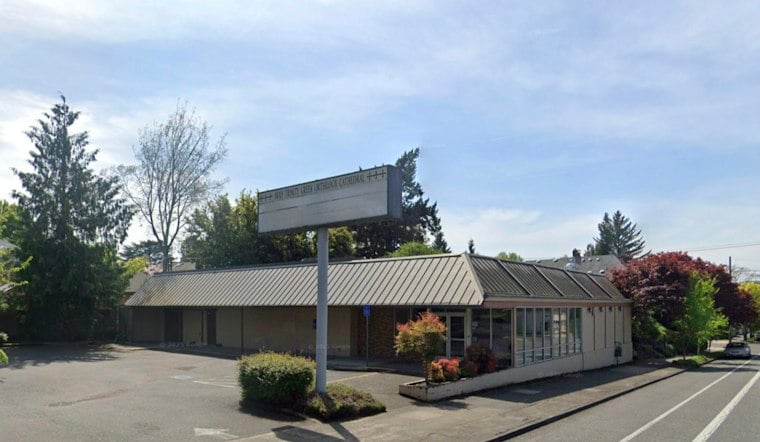
The Portland Greek Festival returns October 2 through October 4, 2026, marking its 73rd year of drawing crowds to Holy Trinity Greek Orthodox Cathedral in Northeast Portland with authentic Greek food, music and traditional dance. More than 15,000 people are expected to attend the three-day event, which shares Greek festivities and faith while giving back to the surrounding community.
According to KOIN.com, the festival gives a portion of its proceeds to differing areas of the Portland community. That civic mission traces back to the event's earliest roots: the Portland Greek Festival originated in 1952 when women of the parish hosted a small neighborhood bazaar featuring food, handwork, and dancing to help pay off the mortgage on their newly constructed church at NE 32nd Avenue and Glisan Street, according to the Portland Greek Festival.
What began as a modest fundraiser has grown into one of the state's most recognized cultural institutions. The festival is one of just 26 events statewide designated an Oregon Heritage Tradition, a title it shares with the Pendleton Round-Up, the Portland Rose Festival, and the Oregon Country Fair, per the City of Aumsville. To earn that designation, an event must operate continuously for at least 50 years, maintain a distinct public profile, and contribute to the livability and identity of Oregon, according to the Oregon Parks and Recreation Department.
A Cathedral Rooted in Portland's Earliest Greek Community
Holy Trinity was founded in 1907 by Greek immigrants as the first Greek Orthodox parish established in the Pacific Northwest, and it was elevated to the status of Cathedral of the Pacific Northwest in October 2007 by Metropolitan Gerasimos, according to Holy Trinity Greek Orthodox Cathedral. Before the parish built its current Northeast Glisan Street cathedral in 1952, its original stone church was completed in 1910 at Southeast 17th Avenue and Taggart Street, the cathedral notes.
The festival grounds also house the Hellenic-American Cultural Center & Museum, established in 2007 on the second floor of the church's community center to gather, preserve, and exhibit Hellenic-American history across Oregon and Southwest Washington, according to the Hellenic-American Cultural Center & Museum. The museum gives festivalgoers a chance to explore regional Greek-American heritage beyond the weekend's food stalls and dance performances.
Months of Volunteer Labor Behind the Festival's Signature Sweets
Long before the gates open in October, parish volunteers are already at work. Festival volunteers begin pastry preparation as early as May each year, bringing together 15 to 40 parishioners per work session to bake traditional sweets including baklava, bougatsa, and loukoumades, according to Willamette Week. That same account notes that all food preparation is handled internally by church members rather than outside vendors, a detail that underscores how much of the festival's identity rests on volunteer labor rather than commercial catering.
The cultural program extends beyond the kitchen, too. The festival's cultural program includes performance sets by youth folk dance groups, followed by interactive public dance lessons on the main outdoor stage, according to the Portland Greek Festival's event listings. Admission is set at $5 for attendees aged 12 and older, a fee organizers maintain primarily to support site security and crowd safety operations.
Where the Festival's Proceeds Go
Beyond the celebration itself, the festival has a track record of funneling proceeds toward local causes. Past beneficiaries have included Make-A-Wish Oregon, the Sunshine Division Pantry, St. Francis Dining Hall, and winter blanket distributions for unhoused residents, the same Willamette Week report states. Those contributions, paired with the festival's decades-long run and its Oregon Heritage Tradition status, place the event at the intersection of faith, neighborhood history, and civic philanthropy that keeps drawing tens of thousands of visitors back each fall.



