

























































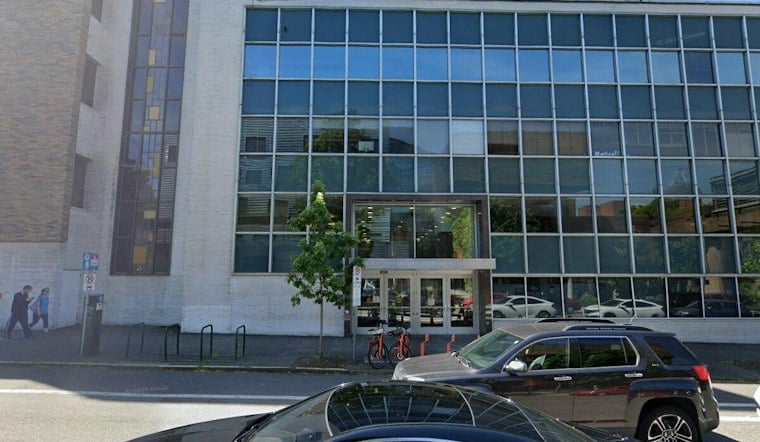
Portland State University hosted its first Indigenous Foods Summit on September 9 and 10, bringing Indigenous organizations and Indigenous vendors to the Native American Student & Community Center on campus for two days of free workshops, a vendor marketplace, and conversations about food sovereignty. Organizers pulled off the entire event with zero dollars in initial funding and less than a year of planning, offering free admission and highlighting food from local Indigenous-owned companies.
The summit was co-organized by the Northwest Indigenous Food Sovereignty Alliance alongside local partners, according to ICT News. As reported by Oregon Public Broadcasting, the event was organized by Emma Johnson, program coordinator of the Indigenous Traditional Ecological and Cultural Knowledge program at Portland State University and a Cowlitz tribal member, along with Isabel LaCourse, a Colville descendant who serves on the planning team for the Northwest Indigenous Food Sovereignty Alliance.
Summit presenters taught dozens of hands-on workshops sharing place-based knowledge centered on food sovereignty, per OPB's reporting. The sessions covered practical traditional skills including wild food preparation and cougar hide tanning, and the summit also featured a dedicated marketplace where Indigenous vendors could sell their goods, according to the same ICT News account.
A Regional Network Built Over Years
The Northwest Indigenous Food Sovereignty Alliance operates as a regional coalition, according to the Future Generations Collaborative. The alliance's stated mission is to revitalize regional Indigenous food systems.
That grassroots network found an institutional setting at Portland State, which offers an Undergraduate Certificate in Indigenous Traditional Ecological & Cultural Knowledge. It is the only collegiate program of its kind in Oregon and the broader region, according to Portland State University, and it integrates traditional ecological knowledge into disciplines such as urban planning and environmental science.
Campus Land and Buildings Tied to the Movement
The timing of the summit coincided with the university's installation of 40 interpretive signs on September 10 marking the Oak Savanna District, an urban land stewardship zone where the university has worked for more than a decade to restore camas and wapato and cultivate other culturally significant plants. The district started as an outdoor classroom built around Indigenous teachings, per Portland State University's own announcement.
The university's investment in dedicated Indigenous academic space predates the summit as well. PSU's Oak Savanna site will also be home to an Indigenous Traditional Ecological & Cultural Knowledge Center.
Public Funding and Federal Policy Backdrop
Government support for these efforts has grown alongside the grassroots organizing. In July, the Metro Regional Government awarded more than $26 million in parks and nature grants, including funding for community projects, according to Metro Regional Government. The funding was directed to parks and nature projects.
At the federal level, the summit's broader policy backdrop includes references to federal guidance.
Portland also has Native-centered facilities and community partnerships.
OPB's Think Out Loud program, which broadcasts live at noon every day and rebroadcasts at 8 p.m., featured coverage of the summit. Organizers behind the Indigenous Foods Summit have signaled it as the start of an ongoing effort rather than a one-time gathering, built on the same coalition of tribal food producers and academic partners that came together for its first run.



