

























































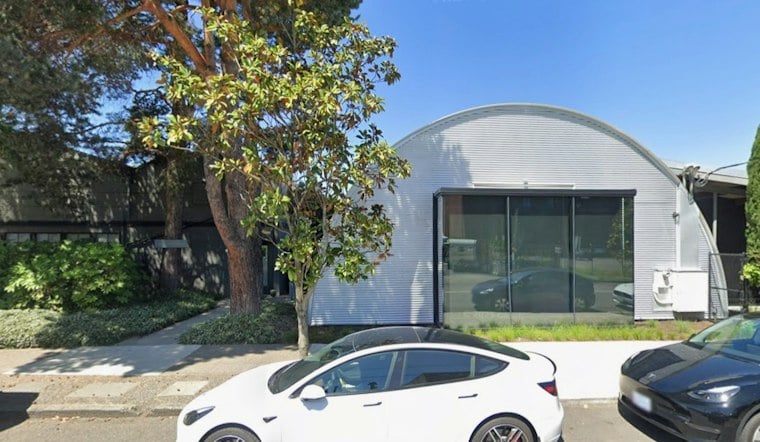
Portland TextileX Month kicks off Thursday with an opening celebration at Skylab Architecture, launching a ninth annual run of more than 30 events built around the theme Layers of Resilience. The free gathering, which requires registration, runs from 5:30 to 8 p.m. at 1825 N.W. Vaughn St. and includes a community marketplace featuring local textile artists, makers and independent businesses.
The monthlong festival is organized by Textile Hive, a Pearl District archive and repository built around the collection of the late textile scholar Andrea Aranow, according to The Oregonian/OregonLive. The archive holds Aranow's collection. Aranow co-founded Textile Hive alongside her son, Caleb Sayan, who now directs Portland TextileX Month and says the event is meant for anyone, telling the paper that all are welcome whether deeply involved in textiles or simply curious.
An Archive Rooted in 1960s Counterculture Fashion
Aranow's path into textiles began in 1967, when she opened Dakota Transit in New York City's East Village, a custom leather and snakeskin apparel shop where she made snakeskin collage clothes for Jimi Hendrix, per the Museum of the City of New York. She spent 15 years abroad creating ethnic textile collections. Aranow died from cancer in 2021. Sayan now directs Portland TextileX Month.
Textile Hive is a Portland archive centered on Aranow's collection.
Exhibitions Span Gardens, Galleries and a Former Post Office
One of this year's headlining shows opens at the Portland Japanese Garden, where an immersive exhibition of Japanese textile design studio NUNO debuts Saturday. Titled Weaving Time: NUNO – Textiles of Tradition and Transformation, the show runs through February 14, 2027, and features site-specific installations and fabrics produced across eight Japanese regional craft communities under designer Reiko Sudō, according to the Portland Japanese Garden.
Downtown, Seed to Quilt: Beloved Fragments runs October 1 through October 21 in the atrium of Pacific Northwest College of Art's Arlene and Harold Schnitzer Center for Art and Design, exploring how textiles transmit memory, relate to time and develop language, per the seed reporting. The building was originally a post office and later a federal building; a $34 million renovation project updated the campus, which includes gallery space and anchors Portland's North Park Blocks, according to Willamette Week.
Workshops Emphasize Mending, Dyeing and Shared Skill
Beyond the exhibitions, the festival's more than 30 events include hands-on workshops in mending, spinning and tufting, alongside presentations, panels and demonstrations drawn from artists' experiences, cultural histories and textile traditions. Acania Farm in Hillsboro hosts a natural dye workshop on October 18, while Portland-based artist, designer and calligrapher Khem leads an embroidery and sewing workshop on October 11 at Volumes Design Library focused on adorning tote bags with typographic-focused embroidery. Batik artists Agus Ismoyo and Nia Fliam are also scheduled to speak about traditional Javanese wax-resist cloth dyeing during the month's programming.
The Textile Hive showroom itself opens to festival participants on October 8, from 5 to 7 p.m., giving attendees a rare look inside the Pearl District space that anchors the whole event. Open studios throughout the month let participants meet makers, purchase handcrafted textiles and experience the creative spaces directly. Sayan has described mending as possible and collective, and textiles as a way to pass on knowledge.
Textile Waste in National Context
For national context, the U.S. Environmental Protection Agency estimated that textiles accounted for 17 million tons, or 5.8 percent of municipal solid waste generation, in 2018, according to the EPA. That estimate describes U.S. textile waste generation for that year; it does not measure reuse or recycling, Portland-specific behavior or TextileX’s impact.
A Grassroots Presence in Portland's Studio Craft Scene
The festival has a grassroots structure within Portland's studio craft scene.
TextileX also operates as a mission-driven social enterprise, using grants and sponsorships to provide paid teaching opportunities, administrative roles, seed funding and honorariums to creators from underrepresented and marginalized communities, according to the Portland Japanese Garden. That funding structure ties the festival's equity goals directly to its programming choices, from who leads workshops to how exhibitions are staffed.
Portland TextileX Month, now in its ninth year, brings exhibits and installations to galleries, gardens, storefronts and other venues throughout October.





