

























































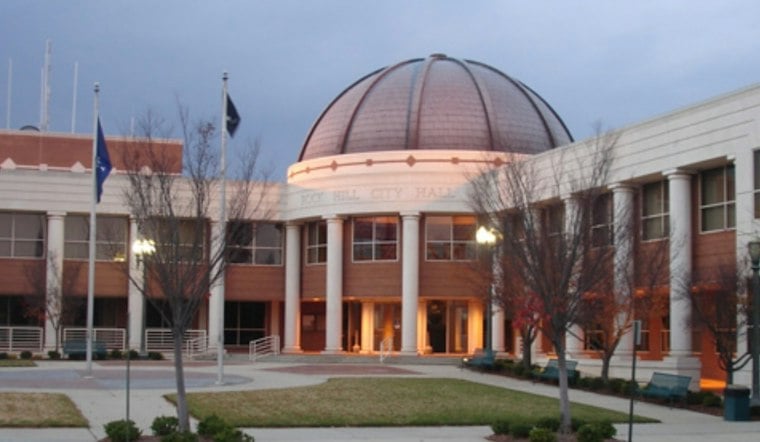
Rock Hill City Council gave initial approval on Monday to a sweeping increase in the fees builders pay to construct new homes in the city, a change that could push the cost of a single-family impact fee from about $4,000 today to just over $95,000. The proposal, which council advanced on September 28, would make Rock Hill's impact fees the highest of any town in York County.
According to WSOC-TV, the current roughly $4,000 impact fee for building a home in Rock Hill would climb past $95,000 if the hike is approved, more than doubling costs citywide. City officials say the goal is to shift the financial burden of growth onto new construction rather than onto people who already live in Rock Hill, keeping higher costs off existing residents. A final decision from city officials could come within the next few weeks, and if approved, the higher fees are likely to take effect in 2027.
What's Actually Going Up
The overhaul isn't limited to a single category. Rock Hill's proposal includes increases to existing water, wastewater, and fire protection impact fees, along with the creation of a brand-new police impact fee that doesn't currently exist, according to PRAR Local Government Watch. The city published separate impact fee studies for water and wastewater, fire, and police services ahead of the September 28 public hearing, laying the groundwork for the rate changes now before council.
Any increase still has legal hurdles to clear. Under the South Carolina Development Impact Fee Act, a municipality seeking to raise residential impact fees must first publish a report estimating the effect on affordable housing in the jurisdiction, per Justia Law. State code also requires the fee amounts to be backed by engineering studies and approved by a positive majority vote of council before they can take effect.
Why Rock Hill Is Revisiting Its Rates Now
State law also mandates that local governments review and update their impact fee study reports, capital improvement plans, and fee ordinances at least once every five years, the Municipal Association of South Carolina notes. Municipalities cannot raise their maximum allowable rates without first refreshing those baseline studies, which helps explain why Rock Hill is re-evaluating its fee structure now rather than piecemeal.
The pressure behind these reviews is regional. The U.S. Census Bureau named South Carolina the fastest-growing state in the nation in 2023, a designation that is pushing local governments across the Charlotte metro area to expand impact fees to keep pace with infrastructure demands, per the Municipal Association of South Carolina. State projections suggest the population could grow by as much as 19% over the next twenty years, straining water, sewer, fire, and police systems well beyond city limits.
How Rock Hill Compares to Its Neighbors
Rock Hill wouldn't be the first York County government to push fees sharply higher. In April 2025, York County Council voted 4-3 to raise school impact fees in the Fort Mill School District, which covers Fort Mill and Tega Cay, to $29,640 per single-family home and $20,796 per multi-family unit, according to South Carolina Public Radio. That increase added nearly $12,000 per home to help finance fast-growing school construction, and fees in the Fort Mill area have generated more than $73 million since 2018, fully funding projects like Flint Hill Elementary School without adding bonded debt for local taxpayers.
Not every fee fight in York County has ended with a steep hike. In December 2025, county council approved a compromise impact fee of $8,000 per single-family home for the Clover School District after rejecting a school board request to raise the fee to $15,035, according to WCNC. Opponents of the higher rate had raised concerns about pricing out middle-class home buyers, and the compromise figure reflects that pushback.
Just across the county line, the appetite for lower fees has also run into resistance. Lancaster County Council this month rejected a proposed 92-lot residential subdivision agreement after the developer offered $6,375 per home in impact fees, which fell short of the county's standard fee expectations, according to WRHI. Council members there declined to accept a lower voluntary fee offer for public safety and parks funding.
Rock Hill Residents Already Feeling Rate Pressure
The proposed impact fee hike would land on top of other recent cost increases for Rock Hill residents. In June 2025, city council approved an 8% increase in municipal wastewater utility rates, adding about $4.18 to monthly residential bills to help fund capital upgrades at the Red River Road wastewater treatment plant, per the Post and Courier. That budget, totaling $313 million, kept the city's property tax rates steady even as utility bills rose.
Any final vote on the impact fee overhaul will run through Rock Hill's long-standing governing structure. The city has operated continuously under a Council-Manager form of government since 1915, making it the second city in South Carolina to adopt the system, according to the City of Rock Hill. Policy decisions rest with a seven-member council made up of six ward representatives and an at-large mayor, all serving four-year staggered terms.


