

























































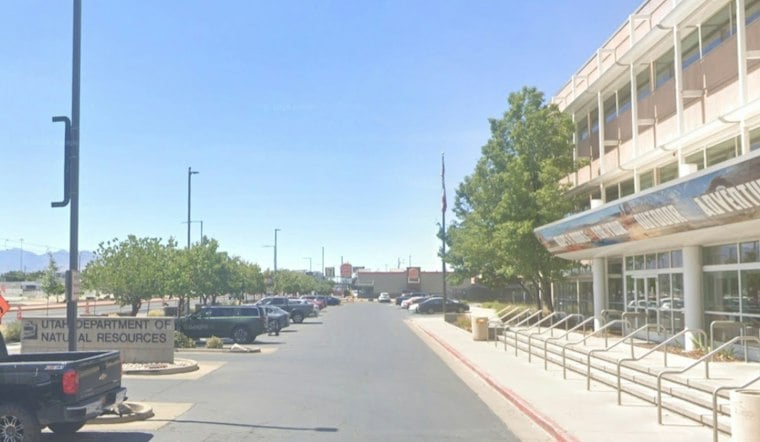
Salt Lake City is moving to sell more than 950 acres of land near its international airport to the Utah Department of Natural Resources, pairing the sale with a permanent conservation easement designed to keep warehouses and other industrial development away from nearby Great Salt Lake wetlands. The parcel sits northwest of Salt Lake City International Airport, land the city has held since 1995, and its future is now working through a formal public review process at City Hall.
According to KSL News, Salt Lake City Department of Airports official Brady Fredrickson briefed the Salt Lake City Council on the proposal, telling council members, “This is a critical area.” The Utah Department of Natural Resources already owns more than 660 acres directly east of the airport parcel, and Utah Department of Natural Resources Commissioner Joel Ferry first approached airport officials in 2024 about protecting wetlands land near the Great Salt Lake, the outlet reports.
The property's origin traces back three decades. The airport acquired the land in 1995 with help from a Federal Aviation Administration grant, which funded planting native flora and constructing irrigation areas as environmental mitigation for a runway expansion completed at the time, per the same account. Salt Lake City currently spends approximately $70,000 annually to maintain the property, according to a city memo cited by the outlet.
How the Sale Price Was Set
The land is valued at between $3.8 million and $5.1 million, based on two completed appraisals, with a third appraisal expected soon, the station's report notes. Salt Lake City declared the property surplus in July and had it appraised in August, ahead of the current review process.
Because the parcel was originally purchased with federal aviation funds, the money from any sale cannot simply flow into the city's general budget. Federal law under 49 U.S. Code § 47107 and FAA Grant Assurances require that revenue from disposing of federally funded airport land be reinvested directly into airport capital projects or self-sustaining airfield operations. Sale revenue will go back to the airport, and airport officials plan to use it to help pay for a runway-extension project, with all spending required to follow FAA airport improvement guidelines, per the KSL report.
A Conservation Easement Meant to Last
At the center of the deal is a conservation easement that would prevent new developments such as warehouses from reaching the wetlands, extending development protection across the entire property while still permitting some small maintenance structures. Utah Open Lands, the nonprofit land trust that will accept the easement, was founded in 1990 as Utah's first statewide land trust and has permanently protected more than 60,000 acres of open space and natural habitat across the state using voluntary conservation easements, according to the Land Trust Alliance.
Salt Lake City Department of Airports Executive Director Bill Wyatt described the arrangement as a strong fit, saying the conservation proposal would be “a really good marriage because Utah Open Lands does this work for a living,” per KSL's reporting. Salt Lake City Mayor Erin Mendenhall echoed the urgency behind the move, stating, “This is an area that is under threat.”
Why the Wetlands Matter
The stakes extend well beyond the airport's fence line. The Great Salt Lake ecosystem and its surrounding 350,000-plus acres of wetlands host up to 12 million migratory birds from 339 species annually along the Pacific Flyway, a scale that has earned the site status as a Western Hemisphere Shorebird Reserve Network location of hemispheric importance, according to the National Audubon Society. Major waterfowl areas, including Farmington Bay and Ogden Bay, are nearby, illustrating the state's established footprint next to the parcel in question.
The lake itself remains under significant strain. State water resources data show the Great Salt Lake sits more than 7 feet below its healthy ecological target elevation of 4,198 feet, having lost roughly half of its historic surface area to upstream diversions and severe drought, per the Utah Division of Water Resources. Against that backdrop, the Utah Inland Port Authority announced it will direct $7.5 million toward Great Salt Lake land-conservation funding in 2026, a commitment reported by KSL News as regional officials respond to public concern over warehouse and logistics expansion near sensitive wetland areas.
Timeline and What Comes Next
Before any transfer can be finalized, Salt Lake City needs consent from the Federal Aviation Administration and the U.S. Army Corps of Engineers to sell the parcels. City officials are also weighing a public benefits waiver for the easement valuation fee, which could reach $471,000.
The Salt Lake City Council will hold a public hearing on the fee waiver and surplus-property disposition plan on October 6, and the council could vote on the request as early as October 20. A final sale, subject to council approval, could close as early as November.
The proposed transfer arrives as Salt Lake City International Airport continues its own transformation nearby. As Hoodline previously reported, the airport is completing a $5.1 billion redevelopment that will push its gate count to 94 by late October, alongside long-term master plans for airfield reconfigurations south of Runway 16L-34R. Those future plans include relocating a portion of the Surplus Canal between spring 2027 and late 2028, pending approval from the U.S. Army Corps of Engineers and Salt Lake County, according to Salt Lake City International Airport.



