

























































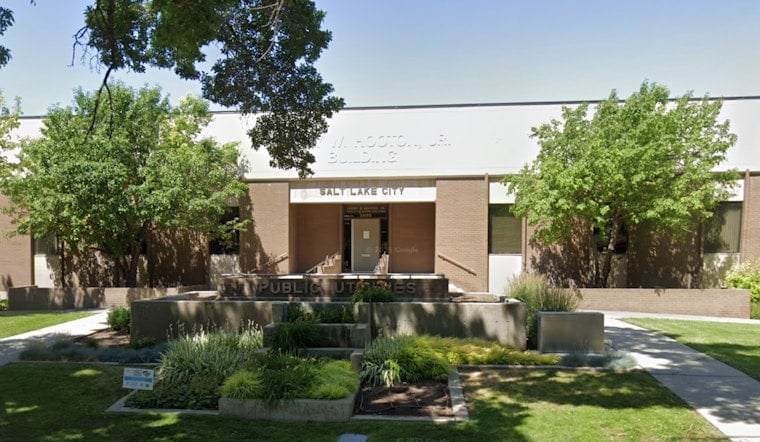
Salt Lake City is considering raising water, sewer, and stormwater impact fees for the first time since 1999, and the proposed increases are steep: some fees would more than double, with a few climbing to over five times their current level. The plan would hit anyone building a new home, putting up a commercial building, or requiring a new or larger utility connection, while leaving most existing residents unaffected for now.
According to the U.S. Census Bureau’s QuickFacts, Salt Lake County had 1,029,655 residents in the April 1, 2010, census, providing a historical baseline for the region’s growth.
The proposal, detailed by ABC4 Utah, would raise the water impact fee for a standard 3/4-inch meter from $1,871 to $5,577. The proposed sewer impact fee for a single-family unit would jump to $4,300, up from a current fee of $545 per residential unit, while the proposed stormwater impact fee would rise to $1,963 per quarter acre from today's $374 per quarter acre. Salt Lake City currently maintains three separate impact fees covering water, sewer, and stormwater infrastructure for each new development, and the city has kept all three unchanged for more than 25 years.
Impact fees are one-time charges collected on new construction, and by law they can only fund the system-wide infrastructure upgrades needed to serve growth, not routine repairs or operations. Under the Utah Impact Fees Act, according to the Salt Lake City Department of Public Utilities, municipal utility impact fees can legally only be used for capital infrastructure needed to serve new development, enforcing the principle that growth pays for growth. That statutory restriction is why city officials frame the fees as placing the cost of expanding utility capacity on new development rather than on existing customers, since the department's water, sewer, stormwater, and street lighting divisions are identified as enterprise funds separate from the General Fund.
How the Fees Break Down by Building Type
The sewer fee proposal is structured differently depending on housing type. Under the current schedule, a townhouse or apartment unit pays $409, a duplex pays $818, and a triplex pays $1,226. The proposed multi-family sewer fee would rise to $3,225 per unit, while a separate nonresidential sewer fee proposal would instead be calculated based on meter size, similar to how the water impact fee is already based on water meter size.
City officials note that Salt Lake City's impact fees have long been significantly lower than those charged by other Utah communities and neighboring states, a gap the proposed increases are meant to close. Before any of these new development fees can take effect, Utah Code § 11-36a-401(2) requires a 90-day waiting period after formal council approval, giving builders time to adjust financing or submit permits under existing rates before the higher schedule kicks in.
Public Hearings Set for Late September and October
The Salt Lake City Council is considering the impact fee ordinance and the associated Impact Fee Facilities Plan, according to a public notice filed with the state of Utah, setting up two public-comment hearings. The first is scheduled for 7 p.m. on September 22 at the Utah State Fairpark, and the second is set for 7 p.m. on October 6 at the City and County Building. The council is aiming to vote on the proposal on October 6, though that date remains subject to change.
Under the Utah Impact Fees Act, local Impact Fee Facilities Plans must evaluate utility system capacity and project growth over a six-year planning horizon before a municipality can justify new fee levels, per the same city utilities office. Residents with questions can reach the public utilities engagement team by email at [email protected] or by phone at (801) 483-6757.
Capital Costs Driving the Push for Higher Fees
The proposed hikes follow closely on the heels of a separate round of rate increases. The city council approved utility rate increases for existing residential and commercial customers, and those took effect July 1, a sequence documented in council proceedings. City leaders have emphasized that raising impact fees on new development is meant to keep existing ratepayers from bearing the entire burden of system expansion on their own.
The article also discusses wastewater-treatment infrastructure. Salt Lake City maintains underground water and sewer lines, including a sewer line more than a century old.
Separately, in July, city leaders were considering a permanent ordinance restricting new nonresidential developments to a maximum of 200,000 gallons of daily water usage, with exemptions for schools, hospitals, social services, agriculture, government facilities, and places of worship, according to KSL.com. The city had scheduled an August 18 public hearing before a potential vote. That proposal would replace an emergency water restriction order scheduled to expire September 20. Building permits in the city also carry a statutory 1% state surcharge.



