

























































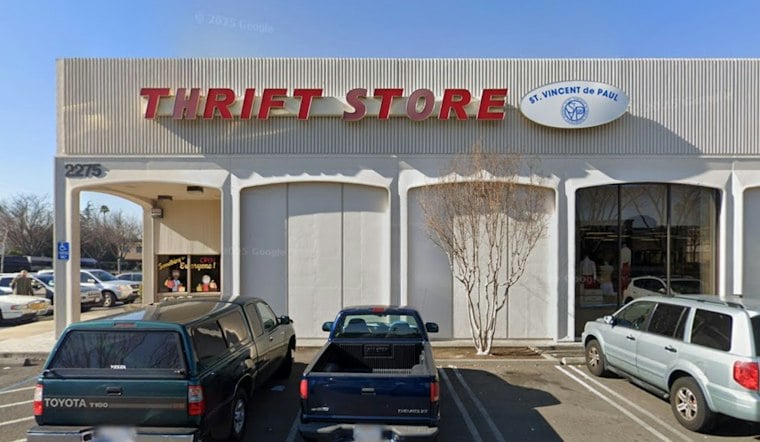
A Saint Vincent de Paul thrift shop in Southeast Portland is grappling with a nightly mess that goes far beyond a few stray donations left on the doorstep. Staff say they are finding car tires, mattresses, moldy clothing, mail and stuffed trash bags dumped outside, along with a sharps container that turned up holding at least several hundred needles.
The shop sits off Southeast Powell Boulevard near 174th Avenue, according to KOIN, and typically accepts donations like books, shoes, clothes, sporting goods and furniture. But the outlet reports that donors have taken to leaving piles of trash outside at night, and that dumpster divers routinely break open the bags, climb into a dumpster full of garbage and broken glass, and scatter the contents across the lot.
A Worker Confronts the Problem Head-On
Matteo Fusco, who works at the shop, has confronted some of the dumpster divers directly and asked them to stop, the station's report notes. He warned that the practice is dangerous, and told KOIN that the situation is dangerous for everybody involved, not just the people rifling through the debris.
Fusco also pushed back on the idea that this is just part of the job. He said thrift shop workers should not have to pick up the loose ends left behind by people disposing of trash, according to the same account. Staff reportedly spend half of a shift cleaning up the piles of junk left in the aftermath, time Fusco suggested could be better spent elsewhere.
Hazardous Waste Drives Up Costs
Because some of what is dumped counts as hazardous material, the shop cannot simply toss it in a regular bin. Professional cleanup is required, and per KOIN, that service costs the nonprofit thousands of dollars — money Fusco said could have gone toward benefiting the community instead. The shop tried installing metal bars and locks around the area to deter dumping, but those were broken by the very next morning, the station reported.
Oregon law generally treats open dumping of solid waste as prohibited, confining lawful disposal to permitted facilities and requiring special handling for hazardous and infectious waste, according to a background brief from the Oregon Legislative Policy and Research Office. Separately, Portland code addresses waste disposal at city parks, stating that materials generated by a person must go into designated receptacles and explicitly labeling dumping as prohibited, per Portland.gov. Residents who want to flag illegal dumping or overflowing trash cans elsewhere in the city can use a reporting form maintained by Portland.gov.
A Wider Pattern Among Charity Retailers
Portland's thrift shop is far from alone in facing this kind of financial strain. In the United Kingdom, the Charity Retail Association said this kind of fly-tipping is happening consistently for 93% of its member organizations, according to the BBC. Two hospice charities, St Barnabas Hospice and Dove House Hospice, together spent £70,000 dealing with unwanted waste in a single year, the BBC reported, even as St Barnabas recycled 350 tonnes of donations over that same period. Dove House, which runs 35 shops, spent £40,000 on waste disposal on its own.
A Salvation Army donation center in Worcester, England, faced a similar scene on Aug. 17, when mattresses, furniture and clothing were found abandoned outside its entrance, according to The Cool Down. That center said hauling away just one dumped sofa can cost £120, and one prior collection of dumped goods ran £350 — even though the center diverts around 12 tonnes of material from landfill every week.
Back in Southeast Portland, the underlying problems remain unresolved. It is not clear who has been leaving the trash, whether any dumpster divers have been identified, or whether any police or code-enforcement cases have been opened. For now, according to KOIN's reporting, shop staff are left to keep clearing the lot themselves, one overnight mess at a time.





