

























































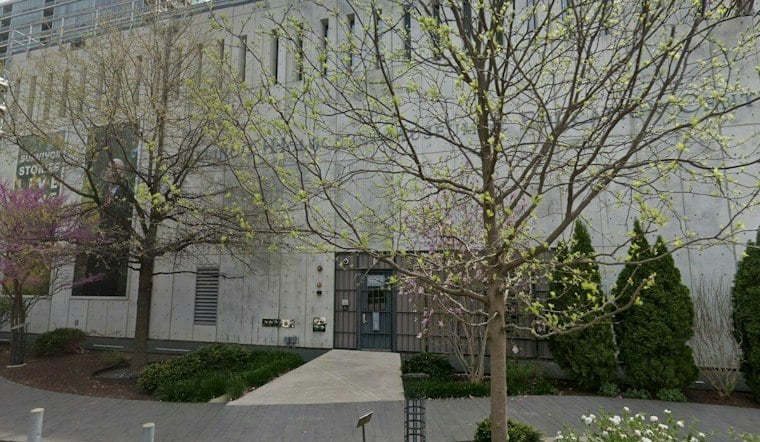
Aaron Elster spent nearly two years hidden in a dark, filthy attic in Poland as a 10-year-old boy, hunted alongside his older sister Irene by Nazi forces that murdered most of his family. Decades later, and years after his death, visitors to the Illinois Holocaust Museum and Education Center in Skokie can still ask him questions directly, thanks to a holographic recreation built from recorded interviews.
How the Hologram Technology Works
Elster is one of 11 Holocaust survivors filmed for the museum's hologram program, with the interviews recorded over five emotional days inside a Los Angeles studio, according to CBS Chicago. The museum's Abe & Ida Cooper Survivor Stories Experience uses high-definition holographic interview recordings paired with voice-recognition technology, allowing survivors to respond to real questions from the audience, according to the Illinois Holocaust Museum. The exhibit features Dimensions in Testimony, a system developed by the USC Shoah Foundation in association with the museum, and runs every hour with the last showing at 4 p.m., with visitors encouraged to allow 30 to 45 minutes to explore it.
Kelley Szany, the museum's senior vice president of education and exhibits, said the hologram connects visitors with people who actually experienced history, per the same CBS Chicago report. Elster is displayed alongside fellow survivor Fritzie Fritzshall, who survived Auschwitz and died in 2021 at age 91; she also appears as an interactive hologram at the museum, according to a separate report from CBS News Chicago.
Two Years Hidden From the Nazis
Elster and his sister Irene were sheltered by the Gorskis, a Polish couple who hid the siblings from the Nazis, according to CBS Chicago's reporting. Elster experienced hunger, cold, physical pain, loneliness, nightmares and fear during his time in hiding, yet still considered the attic safe despite its horrible conditions, the outlet reported. His younger sister Sara was murdered during the Holocaust, and the rest of his family perished as well.
Elster later reunited with Irene after liberation. His son Steven said an uncle helped the two siblings leave Poland, and the pair spent time in displaced persons camps and orphanages before being sent to relatives in the United States, per CBS Chicago. Separately, Military.com reports that Elster was sent to Chicago in 1947 to live with a distant relative before staying in an orphanage and later finding a foster home. He was drafted into the U.S. Army in 1954 and served in Korea, according to the same account.
A Reluctant Storyteller Who Found His Voice
Elster married a woman named Jackie and had two sons, but he did not tell his children about his Holocaust experiences until they were 18 and 21 years old, according to CBS Chicago's reporting. He later recounted his experiences in a memoir titled “I Still See Her Haunting Eyes: The Holocaust & a Hidden Child Named Aaron,” as reported by Jewish Journal. Elster said every day he lived was an accomplishment and that hope was necessary for survival, per CBS Chicago. He could not forgive those responsible for Sara's murder, the outlet noted, but he devoted himself to educating students about the Holocaust through a museum outreach program, aiming to impact young people and make the world a better place.
That outreach had ripple effects. Eight Streamwood High School sophomores formed a club called Be the Change after hearing Elster speak at a 2017 student leadership forum, according to Tablet. Elster's interactive interview was also produced through a collaboration between Together Beat Hate and the USC Shoah Foundation as part of the Salute to Service initiative's Dimensions in Testimony project, Military.com reported, meaning visitors can interact with his prerecorded video online or speak to the 3D hologram in person at the museum.
Carrying the Message Forward
Steven Elster now shares his father's story as a public speaker, helping choreographer Rachel Linsky develop the dance piece “Hidden” based on his father's experience, according to Jewish Journal. He speaks to schoolchildren about his father and other Holocaust survivors and has promised to care for his mother while continuing his father's story and message, CBS Chicago reported. Steven said his father's message centered on being an upstander and accepting people of all races and religions, and Aaron himself urged young people to stand up when they see something wrong.
Sources differ on the exact circumstances of Elster's 2018 death: Jewish Journal reported he passed away that year, while Tablet reported he died at age 86 on April 13. Tablet also noted that a survey released the day before his death found 22 percent of millennials had never heard of the Holocaust, underscoring the kind of gap the museum's hologram technology is designed to close.
Part of a Broader Preservation Effort
The museum has expanded its use of technology well beyond Elster and Fritzshall's holograms. It has launched a project called 3 G's, training children and grandchildren of survivors to take up the responsibility of bearing witness and sharing their relatives' stories, according to CBS News Chicago, a push that comes as the number of antisemitic incidents across Illinois has increased 15 percent over the past year, per the same report. The museum also offers a virtual-reality experience that takes visitors to concentration camps guided by survivors who lived through them.
Beyond the museum walls, a platform called Voices of Survival lets audiences engage in real-time conversations with survivor testimony, exploring personal histories through journey maps, story timelines and video introductions. Its Interactive Interviews feature uses prerecorded video and natural-language processing to generate real-time responses to visitors' questions, extending the same basic technology that keeps Aaron Elster's voice, and his warning, available to anyone willing to ask.





