

























































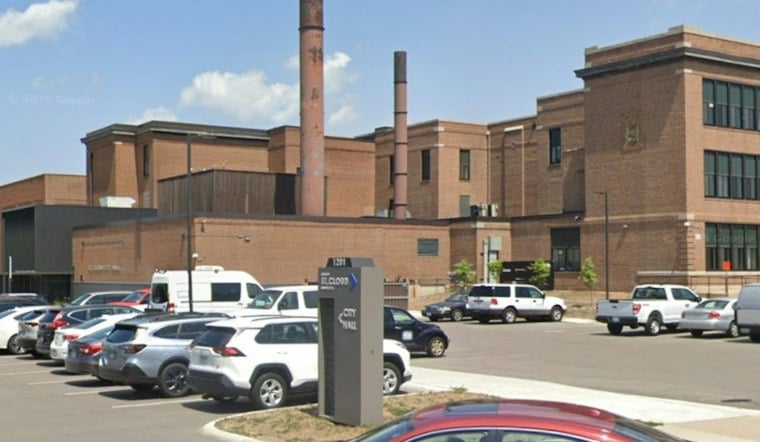
St. Cloud's new low-barrier homeless shelter is set to welcome its first residents in the third week of October, offering 48 individual units alongside job training, mental health support, and a structured path toward permanent housing. Avivo Village Central Minnesota broke ground on the project after years of planning, and the facility marks the nonprofit's first shelter operation in the city.
The project traces back to late 2022, when community leaders began working to bring the Avivo Village model to St. Cloud, according to WJON. The effort culminated in a funding package that included $7.65 million from the State of Minnesota, with the City of St. Cloud providing the project site through a long-term lease agreement, as detailed by KARE 11. The city separately approved $1.1 million toward the roughly $9 million project.
St. Cloud Mayor Jake Anderson voted against the specific 1st Street South site location over concerns about the lot's size, but he still backed the city's $1.1 million contribution, telling KARE 11 the investment amounts to “a dollar spent today to save five dollars tomorrow.” The comment reflects a municipal debate that centered on site density rather than opposition to the shelter model itself, per the station's report.
How the Village Will Operate
Once open, Avivo Village will run as a 24/7 facility with at least three staff members on site at all times and a security guard on duty around the clock, per WJON's reporting. Residents will receive three catered meals per day, and the facility includes shared laundry facilities along with programming such as painting and bingo sessions.
Unlike a drop-in shelter, Avivo Village requires residents to be referred rather than simply showing up, working with county outreach teams and local shelters to fill its units. Referrals will come specifically from Sherburne, Stearns, and Benton county teams, according to WJON, with length of stay determined by the level of help each resident needs. The model is designed for people struggling to enter shelter through traditional means, including those managing mental health conditions, substance use disorders, and physical health concerns, with the goal of helping them move toward permanent housing.
A Regional Shelter Gap
The need is significant. Avivo leadership estimated in late 2025 that more than 300 individuals sleep outside across the St. Cloud tri-county region, while existing low-barrier shelter capacity locally has been limited to smaller sites like the 23-room Lincoln Center, according to KARE 11's reporting. Central Minnesota has seen rising counts of unsheltered adults in recent years, a trend the new 48-unit facility is intended to help address.
Avivo itself is a nonprofit that has provided job training and other programs in Central Minnesota for many years, and it operates a large chemical and mental health division, per WJON. Founded in 1960 and formerly known as RESOURCE, the organization now serves more than 11,000 Minnesotans annually across its housing, career training, and health divisions, according to Avivo. The agency rebranded to its current name in 2017.
Lessons From the Minneapolis Flagship
The St. Cloud project is modeled on Avivo's Ending Homelessness program, which operates a similar shelter in Minneapolis' North Loop — the first indoor tiny-home shelter of its kind in the nation. WJON reported in September 2026 that the Minneapolis facility had helped 375 people move into permanent housing, while Avivo's own tracking shows the site had served 726 unique unsheltered adults and transitioned 300 residents into permanent housing by June 2025.
That track record has come with growing pains. Average resident stays at the Minneapolis village lengthened from 90 to 100 days at opening to roughly 160 days by 2025, a shift KARE 11 attributes to regional affordable housing shortages rather than any change in the program itself. Between December 2020 and July 2026, staff at the Minneapolis site also safely reversed 261 on-site overdoses using harm-reduction protocols, with zero overdose fatalities recorded, according to Avivo.
Demographic data from the Minneapolis site through July 2026 shows that 41% of housed residents identified as Native American, 49 were military veterans, and 73 pets have lived on site alongside residents, Avivo reports — a reflection of how the low-barrier approach accommodates groups often turned away from traditional shelters that restrict pets or impose strict entry requirements.
The Financial Case for Supportive Housing
Supporters point to cost as much as compassion. WJON reports that the annual public cost to care for a chronically homeless person exceeds $35,000 per person, compared with an average annual cost of about $20,000 per resident at Avivo Village. Supportive housing models like this one are credited with reducing emergency room visits, hospitalizations, and overall healthcare costs.
Minneapolis city leaders have drawn similar conclusions about the broader model. In September 2023, the Minneapolis City Council voted to set aside $1 million from contingency funds toward a second village site, a move that followed a 24% drop in Hennepin County's unsheltered homelessness count between 2021 and 2022, according to MPR News. Avivo works with state, county, and city governments for funding across its shelter operations, and the St. Cloud site represents the latest expansion of that partnership model into Central Minnesota.




