

























































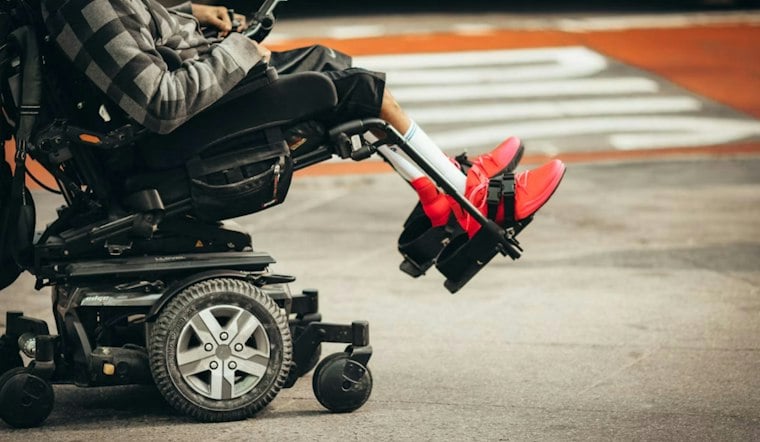
Lyla Whitley is 3 years old and lives with X-linked hypophosphatemia, a rare genetic bone disease that led her family to Vanderbilt for surgery. After the operation, she wheeled herself out of the hospital in a custom-colored mobility chair that cost her family nothing, built by a volunteer maker back home in St. Louis.
A Rare Diagnosis Meets a Volunteer Solution
Lyla underwent surgery at Vanderbilt, and according to FOX 2, she was able to wheel herself out of that surgery in a mobility chair made specifically for her. The chair, custom-colored to her liking, was built by Kim Knittig, who connected with Lyla's mother, Shay Whitley, on social media. The chair helped Lyla immediately, and her mother says she now uses it every day.
X-linked hypophosphatemia is caused by mutations in the PHEX gene, which impairs the body's ability to retain phosphate needed for normal bone mineralization, according to background compiled on NCBI Bookshelf. The condition affects an estimated 1 in 20,000 to 1 in 60,000 live births. Symptoms typically emerge during a child's second year of life as weight-bearing begins, frequently producing progressive lower-limb deformities such as bowed legs or knock knees, along with bone pain and a waddling gait, per NORD.
Skipping the Insurance Wait
Shay Whitley estimated that insurance would have paid about $10,000 for a wheelchair, the station's report notes, but the mobility chair Knittig built cost the family nothing. Wheelchairs can take years to receive insurance approval, a delay families across the country run into thanks to prior-authorization hurdles built into the coverage process, even though federal Medicaid rules require coverage of medically necessary equipment for children under 21, according to SpecialNeeds.com.
Knittig originally bought a 3D printer to make toys and trinkets for her grandchildren, the same report explains, before her hobby turned into something much bigger. She has now made 14 mobility chairs, with a 15th currently in progress, and every one has been funded entirely by donations rather than charged to the families who receive them.
A Friend Steps In to Cover the Cost
Lyla's grandfather is an old friend of Steve Roden, who owns Roden Landscaping. After photos and videos of Lyla's chair were posted online, her grandfather reached out to Roden, who agreed to fund the materials for her mobility chair. Roden Landscaping ultimately donated the funding that made Lyla's chair possible, and per the same account, Roden said Lyla's happiness made the donation more meaningful to him.
Knittig partnered with MakeGood to print the mobility chairs, tapping into the New Orleans-based non-profit's open-source design network. MakeGood Inc. was founded in 2021 by executive director Noam Platt to design open-source, 3D-printed assistive devices provided at no cost to people with disabilities, and by July 2026 its global network of volunteer makers had manufactured and delivered more than 1,000 Toddler Mobility Trainers to families, according to a post shared on Facebook.
The Math Behind a Homemade Chair
Raw materials for a custom Toddler Mobility Trainer cost between $150 and $200, including PETG structural filament, flexible TPU for seat cushions and harnesses, and basic metal hardware, according to a maker discussion on Reddit. That's a fraction of what commercial pediatric wheelchairs typically cost. Building a single chair on a consumer-grade printer requires between 200 and 350 total print hours across two dozen or more separate print plates and roughly 11 kilograms of filament, the same discussion notes.
To keep the devices safe, 3D-mobility.org enforces a maker-vetting process requiring prospective volunteer printers to submit equipment specifications and test prints for inspection before they're approved to build chairs for families, according to 3D-mobility.org, which also provides information for families seeking a free mobility chair of their own. When commercial insurance falls short or coverage decisions stretch on for years, non-profit gap organizations like Wheelchairs 4 Kids step in with emergency grant funding for manual wheelchairs, gait trainers, and other adaptive equipment, per SpecialNeeds.com.
Back Home in St. Louis
For Shay Whitley, the outcome is simple. She said Lyla can now move, go to the park, play, and be a 3-year-old girl. The family's story adds to a growing pattern of volunteer 3D-printing efforts reaching young children with mobility needs, following a Utah teen's 300-hour build for another toddler using the same MakeGood blueprints.





