

























































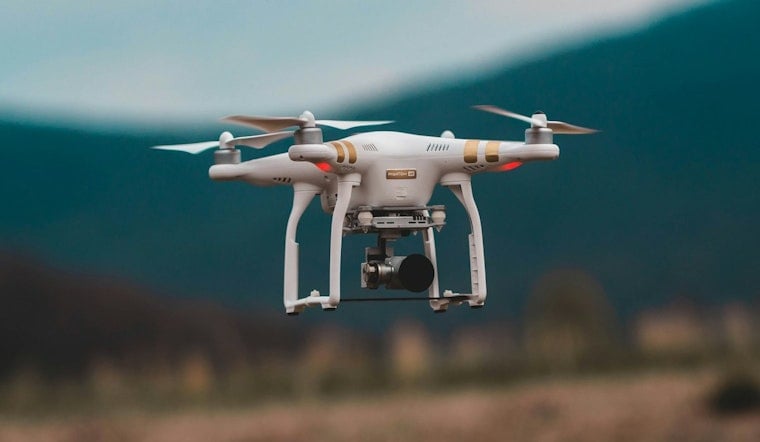
A good Samaritan spotted a child struggling to stay above water in a pond on Saint Paul's Greater East Side on Monday afternoon and called 911, setting off a rescue in which a police drone found the boy and relayed his exact location to officers before any of them had even reached the scene. The child, who has autism, had wandered away from home without his family's knowledge.
According to the Saint Paul Police Department, officers launched a docked drone flown by a trained officer after receiving the emergency call, and the aircraft arrived at the pond roughly two minutes before ground units could get there. That head start gave responding officers essential information, and officers then pulled him from the water.
The rescue involved the department's docked-drone technology.
Why Officers Could Fly Without a Warrant
Minnesota law generally requires police to obtain a search warrant before flying a drone, but state statute allows emergency use when there is a risk of death or bodily harm and permits active searches for missing persons, per the Minnesota Revisor of Statutes. The statute provides for emergency unmanned-aircraft use in such circumstances.
Minnesota law permits certain warrantless emergency and search-and-rescue drone flights.
A Debate Playing Out at City Hall
The rescue lands in the middle of an active political fight over how far Saint Paul's drone program should grow. The Saint Paul City Council has considered a $200,000 U.S. Department of Justice grant proposal related to expanding the drone program and laid over the matter. The council's consideration places the program's expansion before City Hall.
The debate isn't unique to Saint Paul. Across the river, Minneapolis has also been part of the discussion over police drone use. The two Twin Cities are weighing the same technology question, even as Saint Paul's version of that technology helped locate a missing child within minutes this week.
The Deadly Stakes of Wandering Near Water
The circumstances help explain why officers treated the call with urgency. Children with autism can face serious risks when they wander, especially near water.
The Twin Cities has also confronted the danger of children wandering near water. That risk has prompted attention to measures intended to prevent children from leaving their homes unnoticed.
Monday's outcome broke from that pattern. The same combination of factors that has proven dangerous elsewhere — a child wandering unnoticed, a nearby body of water, and precious minutes ticking by — instead prompted a rapid response, after a bystander's call and a drone helped officers locate the child.





