

























































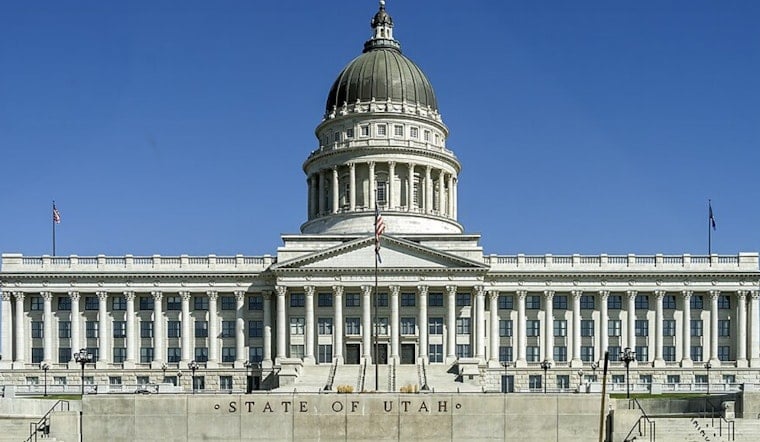
Utah has become the first state in the country to roll out a statewide digital apostille program, letting residents authenticate documents like diplomas, marriage certificates, and corporate paperwork online instead of trekking to the Capitol or mailing sensitive paperwork across the state. The program launches Thursday through the Office of the Lieutenant Governor, which handles all of Utah's international document authentications since the state has no Secretary of State.
The digital option comes with a steep markup. According to KSL News, a digital apostille includes a $70 vendor charge on top of the state's typical service fee, while Utah's own authentication pages put the vendor cost at $69.95 plus the standard $19 state fee, for a total of $88.95 per document. That's a sharp jump from the $19 flat rate Utahns pay for standard three-to-five-day paper processing, a rate the state set on July 1, 2025, alongside a $74 same-day expedited option, per Utah.gov.
Lt. Gov. Deidre Henderson described the pricing gap as a reflection of a free market approach, according to the station's report. She said the digital method offers Utahns a secure, faster option even though it costs more than the traditional route.
Why Utah Built the System
The push toward digital authentication tracks a surge in demand. The Office of the Lieutenant Governor authenticated about 18,000 documents in 2020; by the end of the last fiscal year in June, that number had jumped to more than 45,000, per the same account. Utahns previously had no choice but to travel to the Capitol in person or mail sensitive documents to the lieutenant governor's office, and rapid growth in international travel, study, and missionary work has swelled counter visits in Salt Lake City, according to Utah Apostille.
That strain prompted a wave of administrative changes this year. Effective July 1, Utah began requiring appointments for all in-person authentication processing at the Capitol, per Utah.gov. A week later, on July 8, the Lieutenant Governor's Office adopted a single universal certificate format for all international authentications, ending the old practice of issuing separate apostille and standard certificates depending on whether the destination country had signed the 1961 Hague Convention.
How the Digital Files Work
The digital apostille pilot program was developed over several years before Thursday's launch, the station notes. Utah rolled the technology out in phases, starting July 9 with digital delivery notifications and downloads for mail-in and appointment requests before opening direct online submissions this month. Document encryption verifies that an authenticated file has not been tampered with, and the resulting digital apostilles allow secure, near-instant transmission to recipients overseas.
The multi-use format also solves a cost problem baked into paper processing. Because the files can be sent electronically to multiple foreign recipients without purchasing additional certified copies, Utahns applying to schools or employers in several countries no longer need to request and pay for a fresh physical apostille for each one. Digital authentication now carries the same legal weight as traditional authentication in more than 100 countries that have signed the 1961 apostille treaty, which as of 2026 counts 130 contracting parties worldwide, according to the Hague Conference on Private International Law.
Birth Certificates Still Left Out
Not every document qualifies yet. Chris Jackson said digital authentication cannot currently be used for birth or death records, which remain excluded from the new system. Those vital records are printed on security paper that displays the word void when photocopied, and countries typically will not accept a digital apostille when the underlying document reads void, the station reported.
The state's contracted technology vendor, @Gov, is working with vital records officers and Utah agencies to enable digital authentication of those documents down the road. In the meantime, keeping vital records on paper does have an upside: it lets people retain physical custody of the originals while electronic transmissions travel globally on their behalf.
A First-in-the-Nation Model
Utah's launch stands out because it moves beyond limited pilot efforts. Before this statewide rollout, only scattered e-Apostille issuance or pilot initiatives had appeared in states including Kentucky, Minnesota, Washington, Connecticut, Montana, Rhode Island, and Maryland, according to the Hague Conference. Utah's system builds on the Hague Conference's own Electronic Apostille Programme, which has established digitally signed e-Apostilles and online e-Registers for verification as a global standard.
Other states are reportedly watching closely, with interest already emerging in implementing similar digital apostille systems elsewhere. For now, Utah says it has modernized its government authentication services through the new digital option, giving residents a choice between a slower, cheaper paper process and a pricier but nearly instant digital one.





