

























































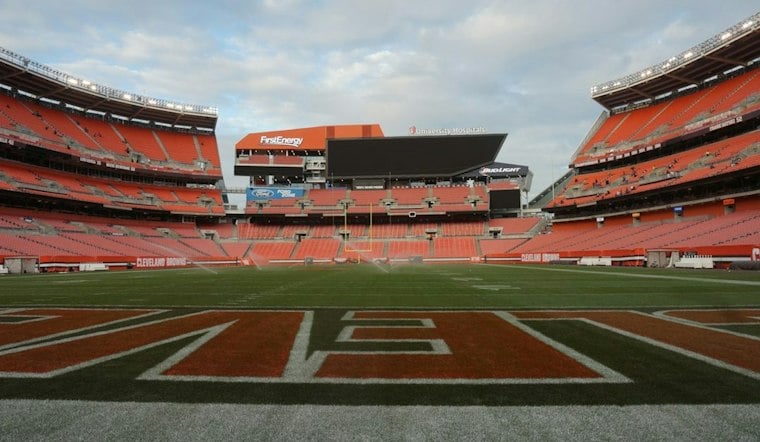
Survivors, families, caregivers and community groups are expected to gather at America First Field in Sandy on Saturday, October 24, for Making Strides Against Breast Cancer of Utah, the state's largest breast cancer walk. Registration and a pre-walk program start at 9 a.m., with the walk itself kicking off at 10 a.m., according to organizers.
The event, as reported by FOX 13 News Utah, brings together survivors, families, caregivers, friends, companies and community organizations for a single morning of walking and fundraising. The American Cancer Society estimates that roughly 2,480 Utahns will face a breast cancer diagnosis in 2026, while approximately 340 are expected to die from the disease this year, per the same report. Breast cancer remains the most common cancer among women in the United States other than skin cancer, the station notes.
Anyone hoping to take part can sign up at makingstrideswalk.org/saltlakecityut, whether by registering individually, joining or creating a team, or engaging a workplace or community organization to support the 2026 event. Donations raised through the walk support the American Cancer Society's advocacy, research and patient support mission, with the broader goal of ensuring everyone has an opportunity to prevent, detect, treat and survive cancer.
A 20-Year Utah Tradition Finds a New Home
The 2026 walk is being held at America First Field in Sandy, according to Strike Visuals. The Sandy stadium, built in 2008 with a capacity of 20,213 seats, hosts the walk, according to MeetStadium. The venue was formerly known as Rio Tinto Stadium prior to a 2022 naming rights change.
Making Strides Against Breast Cancer brings together people and organizations for breast cancer fundraising.
Why Utah's Numbers Make the Walk More Urgent
Utah's screening gap gives the local walk added weight. Behavioral Risk Factor Surveillance System data analyzed by public health researchers show that 63% of eligible women aged 40 and older in Utah received recommended mammograms in 2020, compared with 69% nationwide, according to research published on PMC. Barriers cited in that research include scheduling conflicts, lack of insurance and low health literacy.
That screening gap carries measurable consequences. Hoodline previously reported that breast cancer cases diagnosed in Utah between 2018 and 2022 had an age-adjusted late-stage incidence rate of 41.7 cases per 100,000 women, based on National Cancer Institute surveillance figures. Late-stage diagnoses frequently require full mastectomies rather than breast-conserving surgeries, the outlet's earlier coverage noted.
New Coverage Rules and Local Treatment Advances
Changes in federal health policy are arriving alongside this year's walk. Expanded Health Resources and Services Administration and Affordable Care Act guidelines taking effect for 2026 plan years require group health plans to cover supplemental breast cancer imaging, including MRIs and ultrasounds, diagnostic follow-ups, and individual screening navigation with no patient cost-sharing, according to National Insurance Services. The changes specify that patients will not face cost-sharing for those services.
For uninsured or underinsured Utahns, the Utah Cancer Control Program provides free clinical breast exams and screening mammograms, per the Utah Administrative Code. Its services are available to eligible residents.
Local treatment options have advanced as well. Huntsman Cancer Hospital in Salt Lake City completed the Mountain West region's first robotic single-port nipple-sparing mastectomy in June 2026, following FDA clearance for the procedure in late 2025, according to Hoodline's earlier reporting on the milestone. The procedure left a surgical scar of just two inches, and Huntsman Cancer Institute remains the only NCI-designated Comprehensive Cancer Center serving Utah and surrounding states.
Registration for the October 24 walk at America First Field remains open at makingstrideswalk.org/saltlakecityut, with organizers welcoming individual walkers, teams, and workplace or community groups looking to support the American Cancer Society's mission to end cancer as it's known today.





