

























































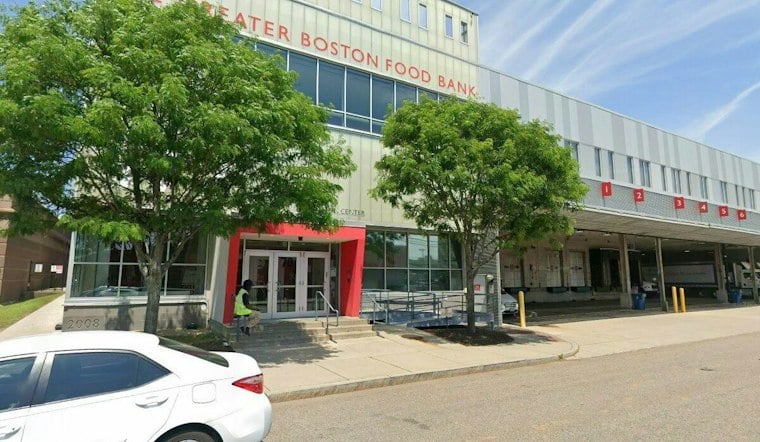
WCVB and the Greater Boston Food Bank are teaming up Thursday, September 17, for the eighth annual Day of Giving, a daylong telethon aimed at raising money and awareness as food insecurity grips a growing share of Massachusetts households. The broadcast will weave live cut-ins and special segments into NewsCenter 5's regular programming from The Eyeopener at 4 a.m. through Chronicle at 8 p.m., with anchors and reporters spotlighting hunger's toll across the state.
According to WCVB, Chronicle will anchor live from the station's phone bank for a special program devoted entirely to food insecurity in Eastern Massachusetts. Viewers can call in donations at 781-433-4009 from 6 a.m. to 8 p.m., or give anytime through wcvb.com/gbfb. Andrew Vrees, president and general manager of WCVB, said access to nutritious food is fundamental to the health and well-being of local communities, framing the telethon as a civic obligation rather than just a fundraising gimmick.
A Retiring Leader's Final Push
This year's telethon carries added weight because it may be one of the last Catherine D'Amato leads as president and CEO of the Greater Boston Food Bank before she retires at the end of September. The station's report notes D'Amato has said hunger affects seniors, families and communities across Eastern Massachusetts every day. Her departure caps 30 years at the organization's helm, during which she grew it into a $180 million operation, expanding annual distribution from 7.5 million meals in 1995 to nearly 90 million today, according to The Greater Boston Food Bank.
Founded in 1981, the food bank now feeds more than 600,000 people every month across Eastern Massachusetts, per the same WCVB account, working through a network of 600 food pantries and meal programs spread across 190 cities and towns. That distribution machine will be tested further as D'Amato's successor takes over an organization facing its steepest demand in years.
Why Demand Keeps Climbing
The scale of the crisis behind Thursday's telethon has been documented in detail this year. The sixth annual Massachusetts Food Access Report, published in April by GBFB and Mass General Brigham, found child-level food insecurity reached 37% in 2025, up from 33% the year before, while one in three older adults in the state, 33%, also experienced food insecurity, the food bank reported. A companion figure cited in the WCVB report put overall household food insecurity at 40% in 2025.
Several forces are compounding the strain. SNAP participation in Massachusetts fell roughly 8%, about 87,000 recipients, between December 2024 and December 2025 due to administrative backlogs and tighter eligibility rules, according to the food bank's research. At the same time, federal cuts to The Emergency Food Assistance Program trimmed $4 million from grants to Massachusetts food banks in 2025. Layered atop those losses is the state's cost of living: the average Massachusetts meal now costs $4.41, the third-highest price in the country behind only Hawaii and Alaska, according to the Food Bank Coalition of Massachusetts.
State and Local Responses Building
Massachusetts lawmakers have responded with money. The state allocated a record $50.575 million to the Massachusetts Emergency Food Assistance Program in its FY26 budget, a 20% increase meant to help food banks offset federal funding reductions, GBFB reported. Those state dollars fund food distributed across all 351 Massachusetts municipalities, though advocates say they still fall short of covering what federal cuts have taken away.
Governor Maura Healey's Anti-Hunger Task Force, which included GBFB leadership and state agency heads, issued recommendations in April urging emergency funding for meal-delivery programs, universal college campus meal plans, and stronger SNAP protections, as Hoodline previously reported. Separately, researchers behind the Food Access Report estimated that up to $1.6 billion in MassHealth spending on emergency room visits and hospitalizations may be directly linked to food insecurity among enrollees, underscoring how charitable food drives intersect with the state's broader healthcare costs.
Community Efforts Fill the Gap
Grassroots and institutional donors have also stepped up outside the telethon spotlight. In November, an employee-led food drive across 17 MBTA facilities collected nearly 3,800 pounds of food, yielding 3,165 meals for the food bank's distribution network, with donations delivered via a specially branded MBTA bus, according to a Hoodline report. The Day of Giving itself falls during national Hunger Action Month, when landmarks across Eastern Massachusetts illuminate in orange to raise awareness, per GBFB.
Thursday's telethon is airing on a station with considerable reach: WCVB, founded in 1972 and owned by Hearst Television, provides news, weather, sports, community service and entertainment across multiple platforms. Hearst Television operates 35 television stations and two radio stations across 27 media markets in 39 states, distributing national content over more than 120 video channels and reaching 24 million U.S. television households, the station reported.




