

























































A West Palm Beach toddler who was diagnosed with a heart condition before she was even born has already survived two open-heart surgeries by the age of two and a half, and her family says more procedures are still ahead as she grows. Blake underwent her first open-heart surgery at 14 months old, but it was unsuccessful, requiring a second surgery just months later during which doctors implanted a mechanical valve to help her heart open and close properly.
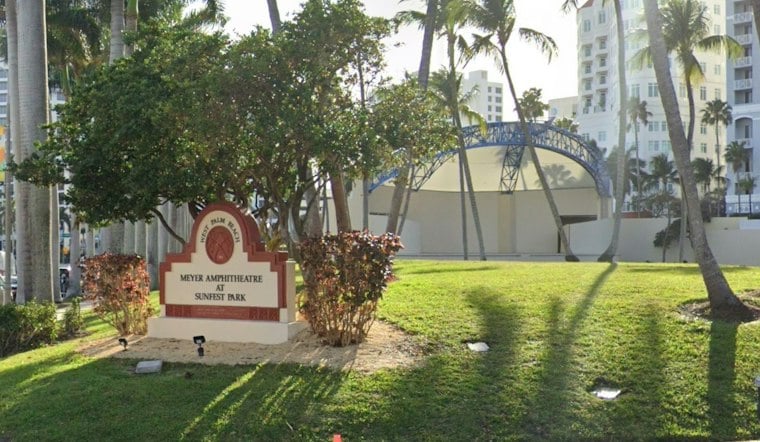
Blake's parents shared her story with WPTV ahead of the American Heart Association's Palm Beach County Heart Walk, set for Nov. 14 at the Meyer Amphitheater in downtown West Palm Beach. Devin Etherington described Blake as having a bionic heart, while Devin Aubrey said the ordeal changed her perspective on everyday life. The family says the American Heart Association has given them a sense of community throughout Blake's treatment.
The mechanical valve now keeping Blake's heart functioning will not grow along with her, a limitation rooted in the basic physics of implant materials. Standard artificial mechanical heart valves implanted in young children do not expand as a child's anatomy grows, which is why pediatric heart patients typically require repeated open-heart replacement surgeries as they reach physical growth milestones, according to Children's National Hospital. For Blake, that means her parents expect she will undergo another open-heart surgery somewhere around ages 7 to 9, and that surgeries will likely continue into adulthood.
A Lifetime of Careful Monitoring
Living with a mechanical valve also means Blake will need lifelong blood-thinner therapy to prevent blood clots from forming on the valve's synthetic surfaces. That treatment requires routine blood monitoring and ongoing precautions against injury, according to guidance published by Thrombosis Canada. Despite the demands of that regimen, Blake's surgeries have given her parents a sense of relief, per the family's account to the station.
Blake's case is complicated further by a second diagnosis: Type 1 diabetes, which her family says caused heart failure. Type 1 diabetes is associated with cardiovascular risk, according to research from the BC Children's Hospital Research Institute. A separate 25-year landmark study cited by Healio found that young adults diagnosed with childhood-onset Type 1 diabetes face a significantly higher cumulative incidence of heart failure than those without diabetes, even when diagnosed before age 17.
Congenital Heart Defects Remain the Nation's Most Common Birth Defect
Blake's condition reflects a broader medical reality facing thousands of American families each year. Congenital heart defects are the most common type of birth defect in the United States, affecting roughly 1% of live births, or approximately 40,000 infants annually, according to federal tracking data from the CDC. While advancements in pediatric surgery now allow many children born with these defects to survive into adulthood, Blake continues to receive cardiac care.
According to a 2020 review available through the National Institutes of Health's PMC, >97% of children with congenital heart disease can be expected to reach adulthood, highlighting the need for lifetime management. A study available through the National Institutes of Health's PMC found that eight in 10 individuals with congenital heart defects born between 1980 and 1997 survived to age 35, with outcomes varying by defect severity and noncardiac anomalies. A 2015 Florida Agency for Health Care Administration report said the Heart Program at NCH provided care for more children with congenital heart disorders than any other hospital in Florida.
Despite everything she has endured, Blake still enjoys the simple pleasures of toddlerhood, playing on the playground, going down the slide, and swinging on her favorite swing, her family says. Her story of survival is one that organizers hope will resonate with the roughly 8,000 participants expected to gather for this year's Heart Walk.
Heart Walk Aims to Expand CPR Readiness Countywide
Last year's Palm Beach County Heart Walk was covered by the South Florida Hospital News and Healthcare Report. The same outlet also reported on this year's campaign.
The event, held at Meyer Amphitheater in downtown West Palm Beach, will again welcome attendees. Money raised through the walk supports research and awareness efforts and honors survivors of heart disease and stroke, including families like Blake's who continue to navigate ongoing treatment. WPTV, which first shared the family's story, says it is a proud sponsor of the annual Heart Walk.





