

























































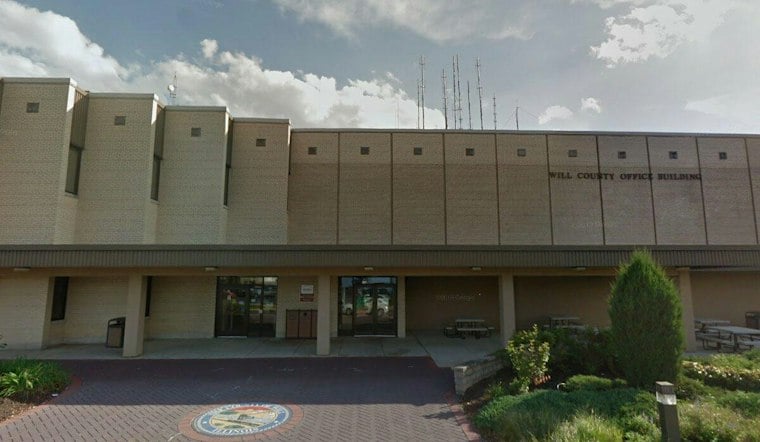
The Will County Board has unanimously approved its first countywide strategic plan, putting a 22-member government with an evenly divided partisan balance on record about how it wants to work and what issues it intends to address. The plan’s success will depend less on its adoption than on whether the board turns broad priorities into assigned work, deadlines and publicly trackable results.
The Daily Southtown reported that LEAP HR Consulting surveyed, interviewed and worked with board members from April through June. Members gave the trust relationship in the process a 2.3-out-of-5 rating and identified friction involving the county executive’s office, budget negotiations, land-use decisions, party divisions and disagreement over housing policy. Those findings describe the consultation process; they do not, by themselves, establish whether the new plan will improve cooperation.
A governance document with practical tests
The plan calls for formal orientation and mentoring for new board members, along with guidance on the budget process, county staff and the responsibilities of a legislative body. It also recommends a code of conduct and a review of the board’s mission, vision and values. Democratic leader Sherry Williams told the Daily Southtown that the board had lacked clear direction, while Republican leader Jim Richmond emphasized communication among elected officials.
The most consequential question is how those recommendations will be implemented. The available account describes goals and proposed processes but does not identify a public scorecard, reporting schedule or enforcement mechanism for measuring progress. That leaves the board with a choice: treat the document as a statement of intent, or attach responsibilities and regular updates that allow residents to judge whether cooperation has improved.
Policy priorities have measurable local stakes
Housing is one area where the plan’s concern can be compared with county data. Will County’s 2025 Consolidated Plan says 46,240 households—19% of all county households—spend more than 30% of their income on housing. That figure documents a substantial burden, but it does not identify which policies would reduce it or show how the board’s future actions would change the number.
The water priority also has an existing information base. The Illinois State Water Survey says agricultural, commercial, industrial and public users with high-capacity wells must report annual withdrawals to the Illinois Water Inventory Program. The survey has also sampled domestic wells in Will County to assess groundwater quality in the Silurian dolomite aquifer, according to the Illinois State Water Survey. A proposed county advisory group could therefore begin with established state reporting and local groundwater research, although the plan’s account does not specify what authority the group would have.
Senior-services response will test coordination
The board’s senior-services priority comes as the Senior Services Center of Will County restructures under Chapter 11 and prepares to end most activities and leave its Romeoville and Joliet facilities. Shaw Local reported that the agency owed more than $8.4 million, largely connected to its Ovation Center loan, and planned to end senior activities by the end of September.
The board has said it will survey residents age 65 and older and compile available government and nonprofit services. Some documented resources already exist: AgeGuide lists information-and-assistance programs and community dining sites in Will County, while the Illinois Department on Aging lists programs focused on health, safety, independence and community engagement. AgeGuide also says Catholic Charities, Diocese of Joliet, will begin caregiver resource and counseling services in the county on Oct. 1, 2026, alongside supports including friendly visiting, health-promotion classes and information assistance. These programs are documented alternatives, not proof that the closed center’s full range of services will be replaced.
A possible model for accountability
Will County would not be the first Illinois county to connect stated goals with recurring public reporting. The Cook County Department of Research, Operations and Innovation says its performance-management ordinance requires an annual report tracking progress across county government offices, including a 2025 report. That system is not identical to Will County’s new plan, but it illustrates the kind of reporting structure that could make a strategic document more than a set of recommendations.
For Will County, the immediate test is whether the board can use the plan to manage disagreements rather than simply describe them. Housing costs, senior-service disruption and water-use questions give members concrete issues on which to demonstrate shared priorities. Until the board identifies who is responsible for each recommendation, when progress will be reported and how residents can evaluate results, the unanimous vote marks a beginning—not evidence that trust has been restored.





