

























































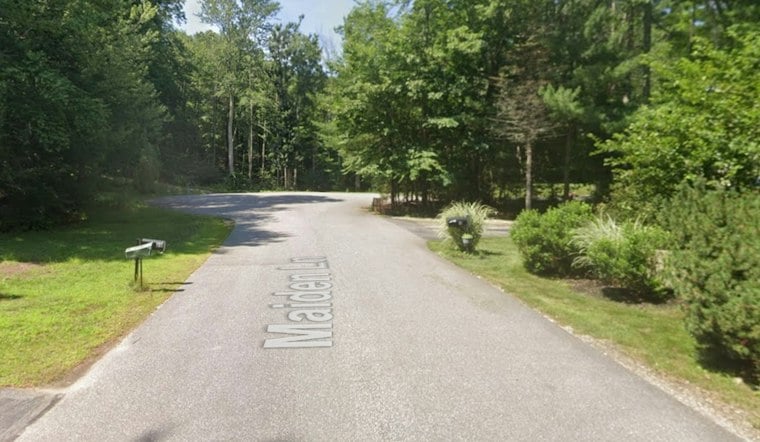
A 67-year-old construction worker is dead after being injured by a steamroller while working on a residential driveway project on Maiden Lane in Bedford, New Hampshire, Monday morning. The man was transported to a nearby hospital, where he was pronounced deceased, and both local police and federal workplace safety investigators are now looking into how the heavy machine came to strike him.
The Bedford Police Department and Bedford Fire Department responded to the Maiden Lane property around 10:54 a.m. after receiving reports that the man had been injured by a steamroller, according to a statement released by Chief of Police Daniel Douidi and reported by John Guilfoil Public Relations. Emergency dispatch broadcasts and local scene reporting indicated that the paving roller incident occurred on a very steep driveway at the site, where first responders immediately began CPR before rushing the man to the hospital, according to Patch. Police have not released the worker's name or the name of the company that employed him, and it remains unclear whether equipment malfunction or the slope of the driveway caused the machine to move unexpectedly.
Federal OSHA Has Six Months to Act
Because New Hampshire does not run its own state-level workplace safety plan for private employers, federal OSHA oversees enforcement in the state through its Boston Region's Concord Area Office, per the construction safety firm McNeil Safety Consulting. That Concord office is now expected to lead the technical side of the investigation alongside Bedford police, examining whether the roller met federal standards.
Under 29 U.S.C. § 658(c), federal law gives OSHA inspectors a strict six-month window from the date of an incident to complete their investigation and issue any citations or financial penalties, according to the U.S. Department of Labor. Inspectors are expected to scrutinize the machine against 29 CFR 1926.602, the federal regulation governing earthmoving and compaction equipment, which mandates rollover protective structures and functional seat belts meeting SAE standards, per the eCFR.
How Roller Fatalities Typically Happen
A National Institute for Occupational Safety and Health analysis of Bureau of Labor Statistics data found that machine rollovers and struck-by or run-over incidents are the two leading causes of fatalities involving ride-on rollers and compactors, according to the Centers for Disease Control and Prevention.
The Bedford case also lands within a grim national backdrop. The U.S. Bureau of Labor Statistics recorded 1,034 fatal work injuries in construction nationwide in 2024, more than any other private industry sector. Closer to home, New Hampshire averaged 14 fatal workplace injuries per year between 2012 and 2020, with annual totals ranging from 11 to 22 deaths, according to Census of Fatal Occupational Injuries data compiled by the UNH Institute on Disability.
What Happens If Violations Are Found
If OSHA's Concord office does issue citations against the contractor or subcontractor involved, the employer would have exactly 15 working days from receipt to formally contest any violations or proposed penalties before the Occupational Safety and Health Review Commission, per McNeil Safety Consulting. Any citation left uncontested during that window automatically becomes a final, non-reviewable order.
For now, the key questions in the case remain unanswered: investigators have not said whether the steamroller's safety features, including seat belts or reverse alarms, were functioning at the time of the crash, and the identities of both the victim and his employer have not been released.




