

























































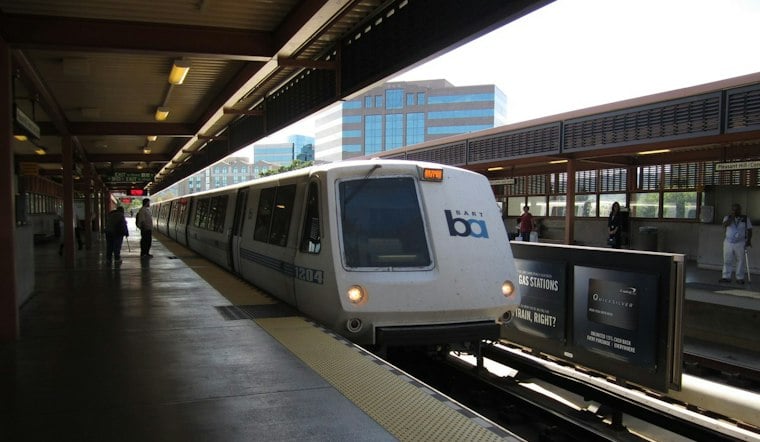
For decades, a Bay Area woman named Nona rode BART to see her best friend, Dee, whose friendship with Nona spanned 72 years. The two met in college, and they shopped together, dined together, and played bridge once a month, with transit quietly connecting them over the years.
Nona shared her story in a post from BART
, describing how riding transit makes her feel happy and grateful to be active. She also said she loves striking up conversations with strangers on the train, asking fellow riders questions like, “Where’re you going? Where’d you come from? How’d you meet?” That curiosity, paired with a decades-old friendship sustained by a train ride, gives a human face to a system that carries hundreds of thousands of Bay Area residents every day.
The trip itself crossed the bay, linking San Francisco and Contra Costa County. BART runs through the Transbay Tube beneath San Francisco Bay.
Two Stations, Two Very Different Histories
Glen Park BART station has its own architectural pedigree. Designed by architect Ernest Born in the Brutalist style, it opened on November 5, 1973, and features Carrara marble platform flooring along with geometric concrete archways, per Wikipedia. Preservationists have since submitted the station for consideration on the National Register of Historic Places, as SFist reported in 2019.
On the other end of the line, Pleasant Hill/Contra Costa Centre station opened in May 1973 and was later redeveloped into the Contra Costa Centre Transit Village, blending residential housing, retail, and office space around the platforms. The redevelopment turned former surface parking lots into a walkable, transit-adjacent community center, transforming the area around the station into more than just a rail stop.
The Discount That Keeps Seniors Riding
Nona's decades of travel have been made more affordable by BART's senior fare program. Riders aged 65 and older receive a 62.5% discount on cash-value fares through the Senior Clipper card, a benefit that can be requested online or in person with valid proof of age and never expires. BART has also pushed senior-focused engagement efforts, including a “Grandparents on BART” video series and health fair outreach, to encourage older adults to use public transit for recreational and social trips, with outreach teams helping seniors set up Senior Clipper cards and mobile wallets.
BART's 2024 Customer Satisfaction Survey polled riders across the rail network. Academic research published in PubMed has similarly found that public transit access helps mitigate social isolation and loneliness among older adults by supporting community mobility and personal relationships, a dynamic underscored by studies linking senior isolation to higher healthcare spending and mortality risk.
Fare Hikes and Parking Costs Still Loom
BART enacted a systemwide fare increase of 6.2% on January 1 as part of a multi-year push to offset operating deficits while sustaining service levels. Bay Area transit agencies also rolled out Next Generation Clipper and “Tap and Ride” contactless payments in December 2025, building in automatic transfer discounts of up to $2.85 within a two-hour travel window for riders using contactless bank cards or mobile payment apps.
Parking at Glen Park station has shifted too. Effective July 1, BART adjusted weekday parking fees under its demand-based pricing framework, raising the daily rate at Glen Park station from $6.50 to $7.00, according to Contra Costa News. Station parking remains free after 3:00 p.m. on weekdays and all day on weekends, a detail Hoodline previously covered network-wide.
Through all the fare adjustments and infrastructure changes, Nona's routine had been a train ride to see Dee, her best friend of 72 years. Nona passed away earlier in 2026. It was a small, recurring trip that nonetheless reflected what transit planners and public health researchers alike point to as one of the quieter benefits of a rail system — keeping longtime friendships, and the people who hold onto them, connected.





