

























































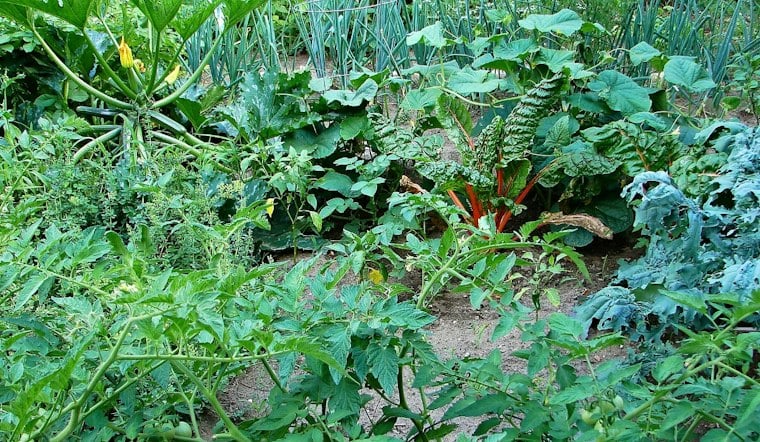
Alexandrea Duarte and Shawn Richardson face nearly $750 in homeowners association fines over vegetable beds in their Acworth front yard. The couple says the garden helps feed their children, including children with special dietary needs; the HOA has objected to the garden’s appearance.
The penalties began at $25 a day on September 28, according to Atlanta News First, and were nearing $750 by the week before Halloween. The couple says they use the front yard because their backyard does not get enough sunlight to grow food. Duarte told the station that the vegetables help meet the needs of some of their children with special dietary needs.
How the Dispute and Penalties Developed
The HOA first asked the couple in June to remove the garden from the front lawn. The June request preceded daily fines that began at the end of September, Atlanta News First reported. Some troughs had been in place for nearly two years. Duarte said she added cucumber trellises during the year and removed them after summer, describing changes to the garden as seasonal.
In an October 2 email, Community Management Associates told Duarte that all the galvanized steel garden beds had to be removed and that fines would continue until they were gone, the station reported. Duarte proposed removing newer beds while painting or enclosing older ones with brick or rock. She also offered to paint the trellises a color selected by the board, but the management company did not accept those proposals.
The HOA's Rules Leave the Decision to the Board
The association’s governing documents do not specifically address gardens, according to Atlanta News First. Instead, they allow the board to determine whether something is unkempt or unsightly, and define a nuisance violation by reference to what the board considers obnoxious or unsightly. A Community Management Associates manager described the garden as not aesthetically pleasing but did not identify a specific feature as the problem. The HOA president told the station that the board had received four complaints from separate people and said it could not make an exception because it considered no other neighborhood lawn similarly unsightly or unkempt.
Duarte told the station she had not seen other residents asked to seek approval for changes to their lawns. She had served as HOA secretary, but the board removed her from the secretary position after the violation and asked her to stay away from community meetings until the matter was resolved. The bylaws allow the board to suspend voting rights after notice and a hearing; the station found no provision specifying that a board member can be barred from meetings over an unresolved violation.
The Fine Amount and the HOA’s Response
Atlanta News First Investigates said it could not find a published fine schedule in the association’s documents establishing the $25 daily amount, although the documents generally permit fines. The HOA and Community Management Associates referred the station’s questions to an attorney at Lazega & Johanson, who did not respond to its inquiries.
Because HOA rules prohibit yard signs, Richardson said the couple made a Halloween decoration to show their opposition to the fines without violating that rule. The garden also supplies ingredients for Christmas gifts, including pepper jams and basil salts.
Georgia’s New HOA-Fine Process Is Not Yet in Effect
Georgia lawmakers passed the Property Owners' Bill of Rights Act this year, establishing a state process for homeowners to challenge HOA fines. Most of the law does not take effect until January 2027, according to a legislative summary from the Georgia General Assembly. Duarte and Richardson have filed a complaint with the Georgia Secretary of State. The agency’s FAQ says homeowners can submit complaints now, but no action will be taken until the law’s January 1, 2027 effective date. The couple hopes the state will review their case once the process is in effect.
City Rules and HOA Restrictions Are Separate Questions
The City of Acworth describes its zoning ordinance as a primary tool for regulating land use, but its Planning & Zoning page does not determine whether this garden complies with city rules. The page also does not resolve the separate question of what the HOA’s governing documents allow; it provides no determination about whether the garden complies with Acworth or Cobb County rules.
Duarte said she cannot afford to keep paying daily fines and does not want her family to lose a way of growing food. The dispute reflects a broader issue for homeowners: raised vegetable beds may be treated by associations as structures requiring architectural approval. The HOA-focused site fixmyhoaviolation.com says front-yard vegetable gardens are commonly restricted, including in states with some legal protections. Until Georgia’s new process takes effect, the couple’s complaint and the fines remain unresolved.





