

























































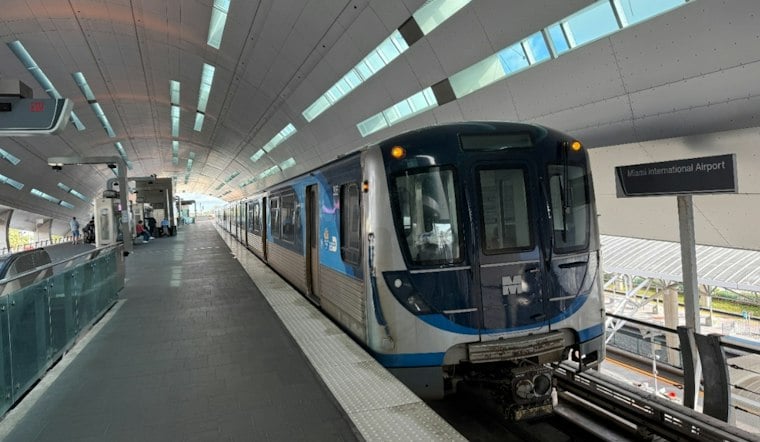
Miami-Dade County riders are bracing for bus route eliminations, shortened service hours and a fare increase to $2.75 even before Amendment 3 reaches the ballot box — and transit officials say the statewide property-tax measure could blow an even bigger hole in the system's budget in the years ahead.
County estimates reviewed as part of the proposed fiscal year 2027 transit budget found that Amendment 3 could cost the Department of Transportation and Public Works more than $29 million in 2027 and more than $24 million in 2028, according to CBS News Miami. That pressure builds on a transit budget that is already stretched thin. The proposed 2027 budget would eliminate 12 of the county's 74 bus routes, according to the Miami Herald, which reports those routes carry about 4,400 rides per weekday, roughly 2% of the system's 262,000 daily bus rides.
The same Levine Cava administration plan calls for eliminating bus service before 6 a.m. or after 10 p.m. on dozens of other routes, the Herald reports. And the county expects to burn through the entire $89 million forecast for its Transportation Infrastructure Improvement District reserve at the start of 2027 — money that has effectively been propping up rail and bus operations.
A Longer-Term Hit Tied to Amendment 3
Beyond the immediate 2027-2028 numbers cited by CBS News Miami, a Miami-Dade County analysis cited by the Miami New Times found the transit department could lose $53.3 million per year by the end of 2029 if Amendment 3 takes hold. That outlet also notes the fare hike and route cuts already underway reflect a broader concern that Amendment 3 could unravel progress transit advocates have fought for.
County officials have given varying estimates for how much the measure could cost Miami-Dade's overall property-tax revenue. Miami-Dade's own amendment information page estimates a reduction of about $385.8 million in the budget year starting October 2027, growing to roughly $696.7 million annually once the exemption is fully phased in — figures the county itself labels estimates. A separate county budget document put the FY 2027-28 impact at approximately $385.5 million. Meanwhile, Mayor Daniella Levine Cava has cited a loss of $378 million in the first year and nearly $700 million in the second, per WLRN. By 2029, the county projects the full hit at about $700 million, or close to 20% of the roughly $3.3 billion in property taxes collected under the current budget, the Herald reported separately.
Levine Cava has warned that passage of Amendment 3 could force the county to cut transit corridors and shorten bus hours further, according to the mayor's comments to WLRN. The warning lands as the county is already tightening its belt: a change in Florida law is separately costing Miami-Dade about $25 million a year in lost sales taxes tied to commercial leases, according to the Herald, adding another strain on the same budget that funds transit.
Fare Hike and Route Trims Already Approved
To help close the existing gap, Miami-Dade's transit board approved raising the standard Metrobus and Metrorail fare from $2.25 to $2.75 starting in January 2027, according to Mass Transit. Combined with minor Metrorail operating adjustments, the fare increase is expected to generate roughly $9.2 million and preserve service on 13 routes that would otherwise have faced cuts.
The outlet also reports Miami-Dade has identified 17 low-ridership routes for adjustments beginning in March 2027, changes expected to affect about 250 daily passengers while saving around $1.7 million a year. The approved 2026-27 budget includes additional bus service reductions touching just over 3,000 riders annually, and the county says it would need another $7.7 million to preserve the remaining routes caught up in the broader funding shortfall.
Miami-Dade's transit funding picture could worsen further in 2028, since the TIID reserve is expected to run dry and the county's outlook does not yet factor in the potential impact of Amendment 3, the Herald reported. Separately, the nonprofit Florida Policy Institute has said the amendment could put a range of county services at risk of deep cuts, including fire rescue, EMS, law enforcement, libraries, parks, hospitals, afterschool programs and animal services.
Other Florida Counties Sound Similar Alarms
Miami-Dade isn't alone in flagging transit as a pressure point. Hillsborough County transit staff have projected that Amendment 3 could shorten or reduce the frequency of most bus routes, eliminate six routes entirely and put nearly 200 bus-driver jobs at risk, per Mass Transit's separate reporting on county-level projections statewide. Those cuts could cut off nearby bus access for an estimated 70,000 people, the outlet reported.
In Pinellas County, transit officials have said more than half of the agency's routes — particularly those with lower ridership — could be on the chopping block if the amendment passes, with the agency's annual operating budget potentially shrinking by about a quarter by 2029 and around 150 staff positions at risk. Bay County, meanwhile, has said General Fund services including Parks and Recreation, its public library, Veterans Services and transit could require careful evaluation, and that the county would likely need to find additional revenue sources, according to the Bay County government.
The Miami New Times has pointed to a cautionary pattern playing out in other major cities, noting that disinvestment has led to what it calls a death spiral for transit agencies in places like Philadelphia and Chicago — a cycle of service cuts, falling ridership and further funding losses. Whether Miami-Dade follows a similar path may hinge on how the county manages a budget already squeezed by a vanishing rail reserve, a state sales-tax change and the uncertainty still surrounding Amendment 3's broader fiscal impact.




