

























































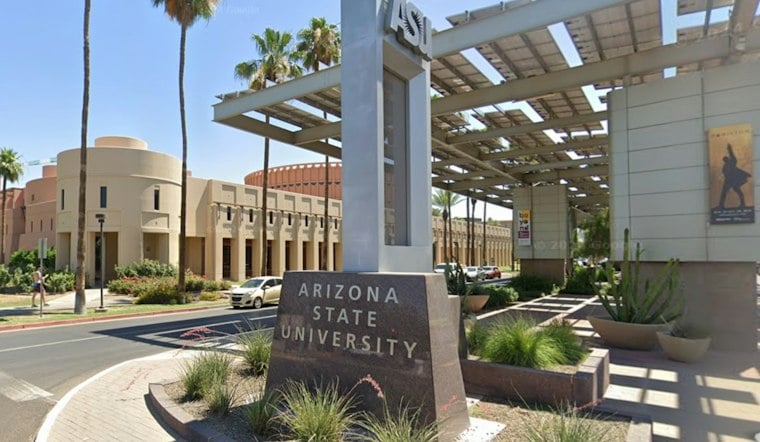
Arizona State University has launched a new Center for Heat Preparedness, bringing together researchers, health officials, community leaders and policymakers to tackle a crisis that has turned increasingly deadly across the Valley. The timing is hard to ignore: Phoenix has been enduring dangerously hot days and nights that offer little relief, and Maricopa County has confirmed 230 heat-related deaths so far this year.
That toll, as reported by AZ Family, reflects a 60% increase in confirmed heat deaths compared to the same point last year, with county officials still investigating another 567 deaths as potentially heat-related. According to KJZZ, the center will focus research on how extreme heat impacts public health, energy, infrastructure and the economy, drawing on expertise scattered across the university and funneling it toward practical fixes.
A Center Built to Act Before Emergencies Hit
ASU describes the effort as the first of its kind in the nation, according to ASU News, with a mission to develop predictive models that help communities prepare for dangerous heat events before they escalate into emergencies. Nearly 170 ASU researchers already focused on heat-related work are expected to take part, the university says, with federal funding supporting the center for its first two years and leaders saying it's expected to be fully operational by fall.
Reports differ on the size of that federal investment. ASU's own announcement puts the figure at $2 million, while a report from Yahoo News cites a $2.6 million federal investment behind the center's launch. Either way, the money is meant to seed a broad coalition rather than fund a single lab: the center aims to bring together researchers, community members, industry leaders and policymakers to study how extreme heat threatens public health, infrastructure and vulnerable populations.
From Shade at Bus Stops to Utility Planning
Planned solutions described in the Yahoo report include improving cooling centers, expanding shade at public bus stops and helping utilities prepare for spikes in energy demand during heat waves. The broader goal, per ASU's announcement, is developing solutions that reduce heat-related illness and death as researchers warn that extreme heat events are becoming more frequent and severe.
The urgency behind the project is visible in the county's own numbers. KJZZ reported that 2026 is on track to be the hottest year on record in Phoenix, with 29 nights this summer that never dropped below 90 degrees, compared with an average of just seven such nights annually between 1991 and 2020. The outlet also noted that Maricopa County confirmed nine heat-related deaths tied to a March heat wave, an unprecedented total for that early in the calendar year, and that by July the county had confirmed 16 heat-related deaths with 192 more under investigation — a toll that has since more than tripled.
Not the First Center of Its Kind, But a Rare Model
ASU's effort echoes other university-led heat initiatives, though on a different scale. The Center for Heat Resilient Communities at UCLA, for comparison, has built a network of more than 50 researchers focused on heat resilience — well short of the nearly 170 researchers ASU says will be involved in its own center.
For now, much about how the center's plans will roll out remains unsettled, including how quickly predictive models, bus-stop shade expansions or utility-preparedness measures will reach residents. What's clear is that the stakes keep climbing alongside the thermometer, with county investigators still working through hundreds of additional deaths that could push this year's confirmed toll even higher.



