

























































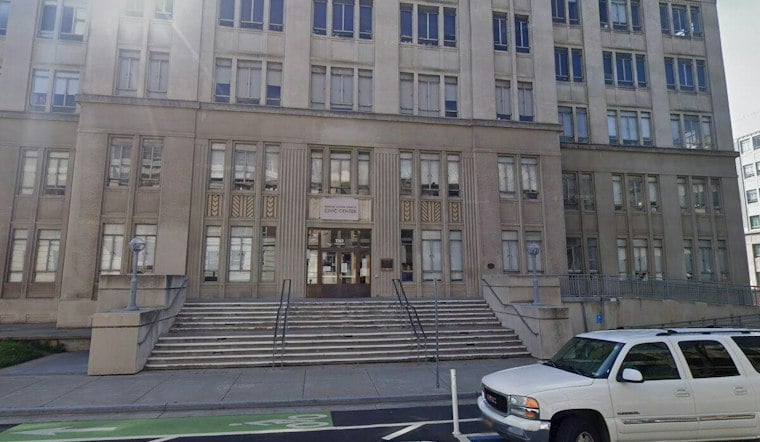
Berkeley's waterfront park is on track to get a permanent new name next week, as the City Council prepares to formally adopt Sí Se Puede Park as the replacement for the site's former Cesar Chavez branding. The council has scheduled the proposal for its consent agenda on October 27, following a recommendation from a 21-member working group representing local government and community organizations.
The push to rename the 90-acre park began in March, when the council voted to strip Chavez's name following reports that he sexually assaulted women and girls, according to Berkeleyside. Those revelations traced back to a New York Times investigation published March 18, which detailed allegations from two women who said Chavez abused them as girls in the 1970s, alongside a statement from Dolores Huerta disclosing that Chavez had sexually assaulted her twice in the 1960s. City maintenance crews moved fast: according to the Chavez Park Conservancy, entrance signage bearing Chavez's name was physically removed or covered the very next morning after the council's unanimous March 24 vote.
The park itself has an unusual backstory that predates any of this controversy. It sits atop a former municipal sanitary landfill that operated from 1961 to 1983 and took in an estimated 1.5 million tons of waste before being sealed under a clay cap, per the park's own history as detailed by the conservancy. It reopened to the public as North Waterfront Park in 1991 before being renamed for Chavez in the 1990s, the report notes.
How The Working Group Landed On Sí Se Puede
The Berkeley Parks, Recreation and Waterfront Commission assembled the working group — which included representatives from the Multicultural Institute and UC Berkeley, plus former Berkeley mayor and state senator Jesse Arreguín, former school board director Ana Vasudeo, and current school board director Beatriz Leyva-Cutler — modeling its process on Berkeley Unified's earlier renaming of two elementary schools, per the Berkeleyside report. The group reached what organizers called a strong consensus for Sí Se Puede Park, with roughly two-thirds of members picking it as their first choice.
Sí Se Puede, meaning “yes, you can” or “yes, it can be done,” has deep roots in the farmworker movement. Dolores Huerta, a United Farm Workers co-founder, coined the phrase in May 1972 in Phoenix during a 25-day fast by Chavez protesting state legislation that restricted farmworkers' rights to strike and boycott during harvest seasons, according to CNN. The slogan later inspired Barack Obama's 2008 campaign motto, “Yes We Can.” In its report, the working group said the name connects directly to the history of the farmworker movement and conveys “a celebratory sense that we can do it,” calling it “a beautiful expression of what Berkeley is all about.”
Members also said the name honors farmworkers, labor organizing, and Latino heritage broadly, paying tribute to Huerta and the movement without tying the park to a single person, according to Berkeleyside. That approach reflects a request Huerta's camp made public after the March revelations: spokesperson Erik Olvera said Huerta asked governments not to name public facilities after her, urging them instead to honor farmworkers, union martyrs, and movement families, per the Chavez Park Conservancy.
Other Contenders And A Dissenting Voice
Esperanza Park ranked second in the group's voting, though members said the Spanish word for hope wasn't necessarily as strong as a movement requiring action and change. Campesino Park came in third — the choice championed by working group member Martin Nicolaus, CEO of the nonprofit Chavez Park Conservancy, who called Sí Se Puede “a terrific political slogan” in a recent blog post but questioned whether it makes a good park name today, since it doesn't specifically reference the farmworker movement. Nicolaus wrote that people who remember who coined the phrase and what it signifies form “a graying and fading niche” among the many thousands who visit the park each year, arguing Campesino Park would better honor “the men and women who work the fields and orchards that keep the rest of us alive.”
Members of the public weighed in with their own suggestions sent to the parks commission, ranging from the practical — Bay Park, North Waterfront Park — to the whimsical, including Jardín de los Pájaros (Garden of Birds) and Isle of Dogs, a nod to both a Wes Anderson film and the park's popularity among dog walkers. Some residents called for naming the park directly after Dolores Huerta, an idea the working group ultimately set aside given her own stated wishes.
Part Of A Statewide Reckoning
Berkeley's renaming effort fits into a much broader wave of institutional reconsideration sweeping California since March. The state legislature unanimously passed, and Governor Gavin Newsom signed, legislation retitling the state's March 31 holiday from César Chávez Day to Farmworkers Day, according to CalMatters. UC Berkeley removed Chavez's name from a student center in April, though university spokesperson Dan Mogulof said in October that the school is not currently working to rename the building, per Berkeleyside.
Across the Bay, San Francisco has narrowed its own replacement options for Cesar Chavez Street to two finalists — Sí Se Puede Street and Las Campesinas Street — a decision Hoodline detailed in September. Oakland's Library Commission opened a review in April to strip Chavez's name from its Fruitvale branch library, and in San Diego, the Community College District Board of Trustees voted in April to adopt “Harbor View Campus” as an interim placeholder for its Barrio Logan campus after dropping Chavez's name. Sacramento's path has moved more slowly: its Parks and Community Enrichment Commission sent a proposal to rename the city's downtown Cesar Chavez Plaza back to a council subcommittee on October 1 for further community outreach and historical review, according to Citizen Portal.
If the Berkeley City Council approves the consent agenda item as expected on October 27, Sí Se Puede Park will become the permanent name for the waterfront space built atop the old landfill — closing out a renaming process that began with the council's unanimous vote in March and the swift removal of Chavez's name from the park's entrance signs.





