

























































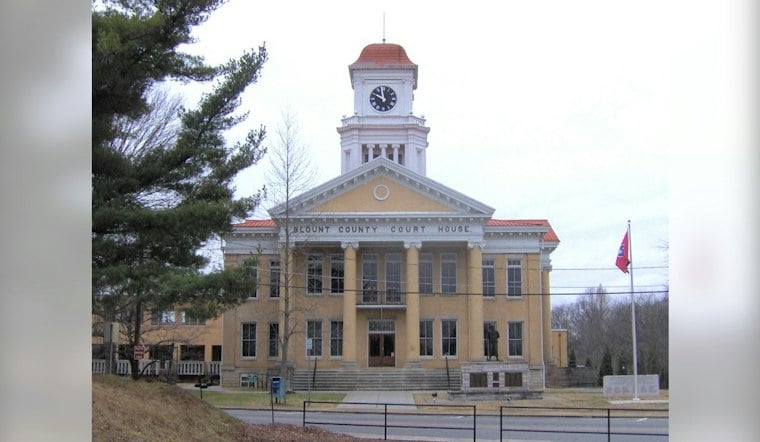
Blount County commissioners voted unanimously Tuesday to freeze two of the region's fastest-growing development pressures at once, approving yearlong moratoriums on both large-scale residential projects and AI data center construction. The twin pauses give officials a year to study zoning rules, infrastructure capacity and growth impacts before new subdivisions, apartment complexes or massive computing facilities can move forward.
Commission Chair Nick Bright framed the data center pause in blunt terms, according to WBIR, saying artificial intelligence data centers have become a growing concern in communities across Tennessee and the country. “People do not want those things, and we're going to do whatever we can to make sure we don't have one here,” Bright said. Both moratoriums still require sign-off from the Blount County Planning Commission before they can formally take effect, per the same report.
What the Data Center Pause Actually Covers
The data center resolution, numbered 26-10-014, would establish a one-year moratorium on AI data centers, cryptocurrency mines, advanced computing facilities and blockchain computing centers in unincorporated parts of the county, according to wate.com. The measure also directs the Blount County Planning Department and the Development Services Department to coordinate a planning and development impact study, with opportunities for public input built into that process, the outlet reports. Officials will use the pause to determine where such facilities could eventually be built under the county's zoning authority, and the commission could extend the moratorium for another year or end it early if new regulations addressing the concerns take effect sooner.
The pause arrives as the county is updating a broader growth blueprint intended to guide development and conservation for the next two decades. Blount County’s Development Services Department says the plan covers population projections, land use, housing, education and environmental stewardship, linking the data-center study to a wider debate over how growth should be managed. The county’s comprehensive-plan page says the draft drew on public engagement and includes recommendations shaped by that input.
Bright previously said the pause would give the county's zoning review board time to revise regulations and let infrastructure catch up with growth. Blount County officials had already been wrestling with how to define the facilities targeted by the rule; as one official told thedailytimes.com in July, “AI data centers are what's being targeted, those of the massive nature and all that.” The county isn't starting from scratch on the issue, either — in July, commissioners approved a plan to buy a 160-acre site in Alcoa specifically to keep a large data center from being built there, wate.com reported.
Blount County is not alone in considering a temporary halt, but nearby proposals take different approaches to defining what counts as a data center. A Knox County proposal uses a 5-megawatt peak-electric-demand threshold—or a facility’s refusal to disclose its demand—and would exempt facilities already operating when the pause begins. That proposal illustrates one policy choice Blount County’s planned study may have to address: whether rules should turn on a facility’s use, its power demand or both.
Big Subdivisions Also Get a One-Year Timeout
Alongside the data center freeze, commissioners approved a separate one-year moratorium on large-scale residential development, covering subdivisions with 10 or more lots, apartment complexes and other multifamily developments, per WBIR. Subdivisions with fewer than 10 homes are exempt from that pause, according to WBIR's reporting — though wate.com described the exemption threshold slightly differently, putting it at subdivisions with 10 or fewer lots, along with projects that have already received preliminary approval. A proposed amendment that would have stripped subdivisions out of the residential moratorium entirely failed to pass, WBIR reports.
County leaders have pointed to rapid growth pressuring local infrastructure as the driving force behind the housing pause, according to wate.com. Bright said the goal is to give county leaders time to review zoning regulations and address infrastructure concerns, including traffic. “We are tired of seeing the type of growth we have, and that's why we need to look at our regulations and decide how we want to be and what we want this community looks like moving forward,” Bright said. Fellow commissioner Jessica Hannah has emphasized the need to plan for growth and make sure regulations keep pace with development. The moratorium is meant to give officials time to review the county's comprehensive plan and zoning rules, with that review expected to touch on density, infrastructure, farmland preservation and open space, and it was amended to require ongoing studies and evaluations of facilities and infrastructure while the pause is in effect, wate.com notes.
Blount County's Data Center Pause
Blount County's moratorium creates time for officials to review how data center development should be regulated.



