

























































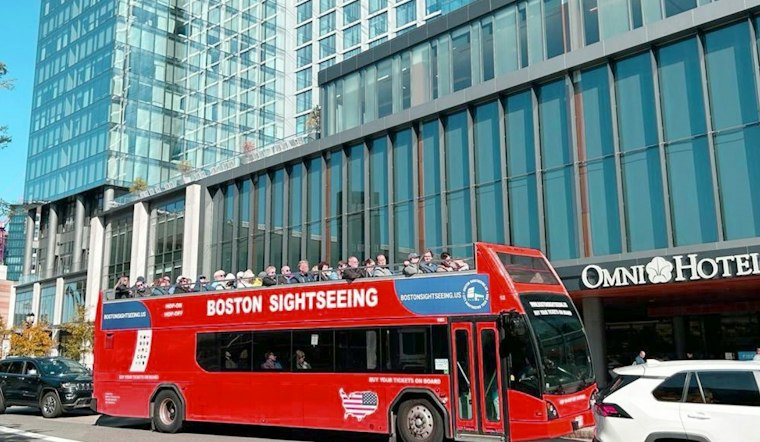
More than fifty Black-owned businesses filled the Omni Boston Hotel in the Seaport District on Tuesday as the eighth annual Massachusetts Black Expo brought together entrepreneurs, elected officials, and national business leaders under the theme “Small Business: Big Impact.” Attorney General Andrea Joy Campbell and Operation HOPE founder John Hope Bryant delivered keynote addresses, while U.S. Senator Ed Markey appeared as a guest speaker at the daylong event.
The expo was hosted by the Black Economic Council of Massachusetts, and as reported by WBZ NewsRadio, the gathering was held in Boston's Seaport District at the Omni Boston Hotel. BECMA President and CEO Nicole Obi said the day's programming centered on artificial intelligence, capital access, and the climate sector, all areas organizers see as emerging growth paths for small business owners. John Hope Bryant, who also leads Bryant Group Ventures, brought his national perspective on economic empowerment to the keynote stage alongside Campbell.
A Theme Built Around Access and Opportunity
According to the expo's own program materials, the full 2026 theme was “Building Black Wealth — Small Business, Big Impact,” with sessions dedicated to procurement opportunities, contracts, capital access, and strategic partnerships. The Mass Black Expo website describes a Black-Owned Pavilion featuring more than 50 Black-owned businesses from across the Commonwealth, alongside programming examining how artificial intelligence is changing how businesses access capital, contracts, and other opportunities. The agenda also addressed opportunities tied to the state's growing clean-energy economy.
Jerrica Raspberry Lawson, co-founder of the Boston-based Kujichagulia Wellness Center, said the expo can be very valuable for small business owners trying to make connections and find resources, per WBZ's reporting. Her sentiment echoed the broader purpose organizers have built the event around since its founding: creating a space where entrepreneurs can find capital, contracts, and community in one room.
Persistent Gaps Behind the Celebration
The WBZ report framed Massachusetts as a state generally considered friendly to Black business owners, while noting there are still gaps that need to be addressed. Those gaps are not abstract. At an April State House hearing, officials said Black and Latino residents in Massachusetts are trailing white residents in homeownership, business ownership, and wealth accumulation, according to the Dorchester Reporter.
The numbers behind that testimony are stark. White residents account for 87 percent of business owners in Massachusetts while making up 67 percent of the state's population, and their businesses average $3.8 million in revenue, per the same hearing coverage. Black residents, by contrast, make up 6.9 percent of the population but just 2.9 percent of business owners, with those businesses averaging $150,000 in revenue — a gap state officials cited as evidence of how far Massachusetts still has to go.
Capital Remains the Central Obstacle
Survey data gathered statewide in late 2025 shows why capital access dominated the expo's agenda. A statewide poll found that 68 percent of Black business owners identified obtaining capital as a high priority, compared with just 32 percent of white-owned businesses, according to the 2025 CEE Survey. The same survey found that 60 percent of Massachusetts small business owners view artificial intelligence as an opportunity, while only 6 percent see it as a risk — a divide that helps explain why AI featured so prominently in this year's sessions.
That capital gap has been widening for years. The Boston Globe reported that the funding disparity between Massachusetts entrepreneurs of color and their white counterparts grew from $574 million in 2019 to more than $600 million three years later. The same reporting found that 85 percent of Black small business owners in the state identified capital access as a main obstacle to growth, and that just 26 percent of Black and Latinx businesses sought Paycheck Protection Program loans during the pandemic, compared with 80 percent of white-owned businesses.
A Growing Annual Tradition
This year's expo builds on a tradition that has expanded steadily since its founding. The 2024 edition was held as a two-day event at the Boston Convention and Exhibition Center in the Seaport, drawing hundreds of Black-owned businesses, entrepreneurs, and professionals, according to the expo's own FAQ page. BECMA's own description of the event notes that it offers purchasing opportunities, capacity-building resources, and career advancement options for attendees year after year.
With Attorney General Campbell, Senator Markey, and a national figure like John Hope Bryant lending their platforms to Tuesday's event, organizers are betting that visibility at the state and federal level can help chip away at the disparities data keeps confirming. Whether this year's focus on AI, capital, and clean energy translates into closing that $600 million gap remains to be seen, but for entrepreneurs like Jerrica Raspberry Lawson, simply having a room full of resources and connections was reason enough to show up.




