

























































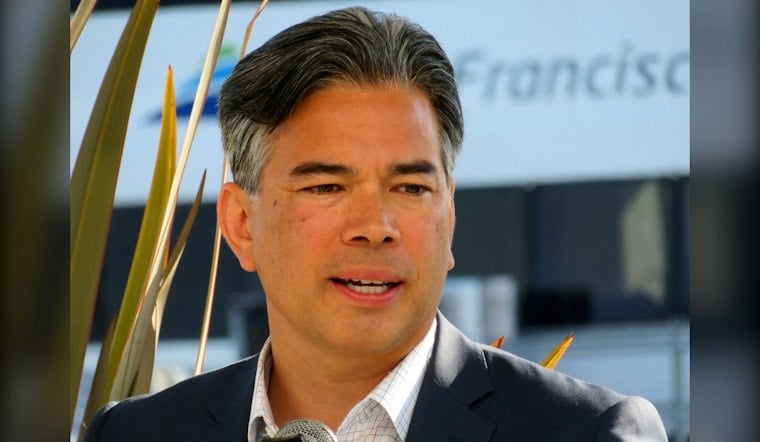
California Attorney General Rob Bonta announced a settlement with Fidelity Digital Asset Services, the cryptocurrency subsidiary of Fidelity Investments, over the company's past restrictions on customers' ability to withdraw certain cryptocurrencies. Bonta said Friday that the deal holds the financial giant accountable for limiting investors' access to assets they had purchased.
According to a search-result snippet attributed to the California Attorney General's office, the settlement with Fidelity Digital Asset Services totals $500,000. In a post on X, Bonta framed the action simply: “We've secured a settlement with Fidelity over the company's past restrictions on the ability to withdraw certain cryptocurrencies,” he wrote, per Rob Bonta
.
Bonta didn't mince words about the principle at stake. “While the cryptocurrency market may be ever changing and shifting, California law does not,” he said in the same post. “Investors have a right to access to what they buy.”
What Fidelity's Crypto Withdrawal Rules Look Like Today
Fidelity's current consumer-facing help materials describe a system that supports crypto transfers for Fidelity Crypto accounts around the clock, subject to scheduled maintenance and network conditions, according to fidelity.com. Customers can generally withdraw recently purchased crypto up to their account's “available to withdraw” balance, the company says.
Those withdrawals aren't unlimited, either. Fidelity's standard daily withdrawal limit tops out at $2,000, though customers can request an advanced limit of up to $25,000 per day, per the same fidelity.com materials. The platform supports transfers of Bitcoin, Ethereum, FIDD, Litecoin and Solana on specified blockchain networks, subject to availability in a customer's home state. Notably, Fidelity's own help pages state that any account restriction affecting deposits or withdrawals renders a Fidelity Crypto account ineligible for transfers or withdrawal-address management altogether — language that underscores how tightly the company can lock down access when it chooses to.
Not Fidelity's First California Crypto Fight
This isn't the first time Bonta's office has gone after a major platform over locked-down crypto accounts. In September 2024, the attorney general secured a $3.9 million settlement with Robinhood's cryptocurrency arm. The state's announcement, posted by the California Attorney General's office, described it as resolving an investigation into alleged violations of the California Commodities Law, paired with a financial penalty and what the office called strong conduct requirements. Reuters, however, characterized the same settlement differently, reporting that Robinhood's crypto platform agreed to pay $3.9 million to resolve claims it failed to let customers withdraw cryptocurrency from their accounts between 2018 and 2022, according to Reuters. Investing.com separately reported that the Robinhood deal required the platform to let customers withdraw crypto assets to their own wallets and to honor its representations about trading and order-handling practices, per Investing.com.
A Broader Crackdown on Crypto Access
California isn't alone in targeting platforms that limit customer withdrawals. In New York, Attorney General Letitia James's office required KuCoin to limit existing New York customers to withdrawal-only access and to cooperate with U.S. law enforcement on asset-freeze and information requests, according to the New York Attorney General's office. At the federal level, the Federal Trade Commission's proposed settlement with Celsius Network would ban the company and its affiliates from handling consumers' assets entirely, while also prohibiting misrepresentations about products and services and barring unauthorized disclosure of customers' nonpublic personal information, per the Federal Trade Commission.
Those cases sit against a shifting regulatory backdrop in California. The state's Digital Financial Assets Law carries requirements tied to July 1, 2026, and is designed to provide consumer, investor and safety-and-soundness protections for California residents who use digital financial asset products and services, according to the California Department of Financial Protection and Innovation. For now, Bonta's office has not detailed which specific cryptocurrencies were affected by Fidelity's past restrictions, nor how many customers were impacted or what relief, if any, they might receive.




