

























































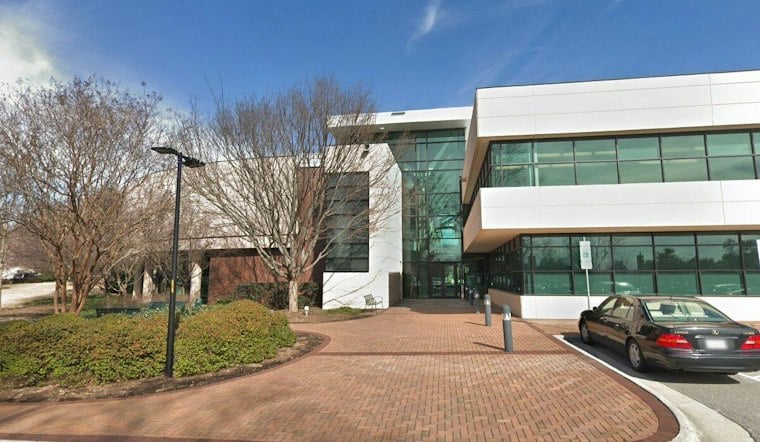
Cary's town council voted 4-2 on Wednesday against a proposal to expand the town's nearly 20-year-old smoking ordinance to cover e-cigarettes and vapes, falling one vote short of the five needed for adoption. The measure would have banned vaping alongside smoking at town buildings, community centers, playgrounds, recreation centers, greenways and trails, and would have extended restrictions into enclosed public spaces like entertainment venues and retail stores.
The vote capped months of advocacy from Cary teenagers who had been addressing the town council since summer, according to ABC11 News. Mansib Sacheha, a high school senior and member of the Poe Center's youth empowerment team, told the council that young people have the ability to create change in their community. Sacheha said he has personally seen students vaping in school bathrooms and recalled a student who sold vapes on his bus during middle school, adding that vaping incidents trigger fire alarms and disrupt learning. He urged the council to adopt stronger smoke-free policies, arguing the proposal would protect young people from exposure to smoking and vaping.
Those advocates included students from Green Hope, Green Level and Panther Creek high schools in Western Wake County, according to The Cary Report. The students argued that pervasive vaping in school bathrooms disrupted learning and created peer pressure among classmates. Their push mirrors statewide data: the Poe Center for Health Education cites the 2023 North Carolina Youth Risk Behavior Survey showing that 20 percent of North Carolina high schoolers, or roughly one in five, currently use vape products — an average of six students per classroom.
Council Members Split Over Enforcement and Timing
Mayor Pro Tem Lori Bush said the ordinance was meant to align vaping restrictions with the town's existing smoking rules, arguing vaping should simply follow the same rules as smoking wherever smoking is already prohibited. But Councilwoman Sarika Bansal, who said she is highly allergic to smoke, opposed moving forward without more information from town staff. Bansal, per the same ABC11 report, requested data and a staff evaluation of the proposal's pros and cons and raised concerns about enforcement, costs, and whether the measure should be a town priority right now.
Councilwoman Michelle Craig addressed one piece of that cost question, saying signage would be updated alongside current maintenance schedules and that the expense was expected to be absorbed within existing operating budgets. Mayor Harold Weinbrecht said he hoped council members could reach agreement once additional information was gathered. The motion to adopt the amendments ultimately failed on the 4-2 vote, short of the five affirmative votes required for passage, and the council could take the issue up again at a future meeting.
Students Vow to Keep Pushing After Setback
Student advocate Atharv Koparde said he and others plan to continue pushing for the measure and suggested finding more ways to collect data that could sway undecided council members. Sacheha said the vote only motivated student advocates to work harder toward getting the ordinance passed. The proposed carve-outs in Cary's draft ordinance would have exempted private residences, private vehicles, qualified cigar bars, and standalone tobacco shops, and the measure had been slated to take effect July 1, 2027, with fines of up to $50 for people who refused to stop smoking or vaping after being asked, according to The Cary Report.
How Cary's Effort Fits a Wider Wake County Push
Cary isn't acting in isolation. The Raleigh City Council unanimously passed its own expansion in January, barring e-cigarettes and vaping devices in enclosed public spaces and city properties starting in April, according to the City of Raleigh. Advocates championed that change as a way to eliminate indoor vaping in restaurants, bars and public workplaces. Leaders in neighboring Apex also launched a formal council committee study in mid-2026 to evaluate drafting their own smoke-free and vape-free ordinance, according to a Facebook post describing the committee's work.
Wake County itself has already acted on the retail side: county commissioners voted unanimously in October 2023 to bar new standalone tobacco and vape shops from opening within 1,000 feet of schools, parks, greenways and residential areas in unincorporated parts of the county, per Wake County Government. That zoning change came after the Wake County Public School System requested it amid growth in vape retailers near schools.
State Law Shapes What Towns Can Actually Do
Local governments in North Carolina draw their authority to restrict smoking and vaping from General Statute 130A-498, which lets municipalities adopt rules stricter than state law for municipal property and enclosed public places, according to the NC General Assembly. That same statute bars local ordinances from reaching into private residences, private vehicles, or certain standalone tobacco shops — the same carve-outs reflected in Cary's draft proposal.
North Carolina also remains one of seven states where state law still allows tobacco and vape sales to people as young as 18, even though federal law raised the minimum sales age to 21 back in 2019, Axios Raleigh reports. Public health advocates have pushed state lawmakers to align North Carolina's age restrictions with the federal standard. Statewide, the 2022 North Carolina Youth Tobacco Survey estimated 43,800 high school students and 12,500 middle school students were active e-cigarette users, according to the North Carolina Department of Health and Human Services, which noted e-cigarettes have remained the predominant tobacco product used by the state's youth for the past decade. Juul Labs is separately providing $47.8 million to North Carolina through 2029 under a revised December 2023 settlement, funding youth e-cigarette prevention, cessation and data-monitoring programs through the state's Youth Electronic Nicotine Dependence Abatement Fund.
For now, Cary's smoking ordinance remains unchanged after nearly 20 years on the books, written for an era before vapes and e-cigarettes became widespread. Whether that changes depends on what staff bring back to the council — and whether students like Sacheha and Koparde can keep the pressure on.



