

























































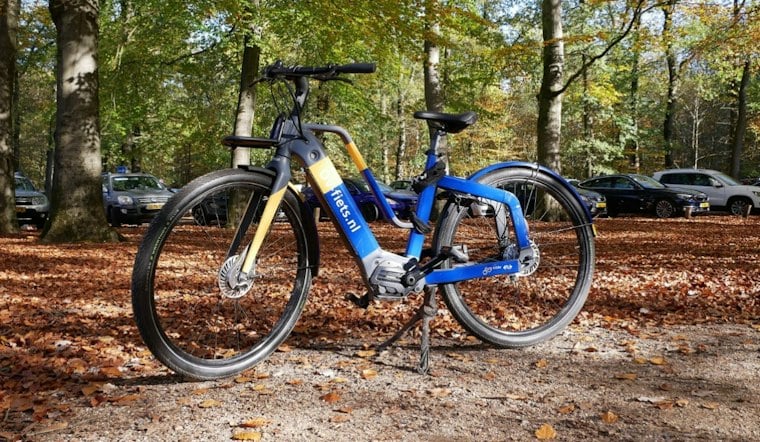
Riders zipping around Wake Forest on scooters, e-bikes and electric skateboards are facing a fresh set of rules, with the Board of Commissioners approving changes to the town's micromobility ordinance on Nov. 17. The update bars those devices from sidewalks, caps speeds at 10 mph on greenways and in parks, and retains the existing tiered fine system, which climbs to $500 for repeat offenders.
According to The Wake Weekly, the board's vote came just two weeks before a new North Carolina law takes effect Dec. 1, and town officials have framed the local changes as an effort to line up with that statewide standard. The newspaper reports the ordinance now prohibits sidewalk use by scooters, e-bikes, pedal-assist e-bikes, electric skateboards and mopeds, while allowing scooters, e-bikes, pedal-assist e-bikes and electric skateboards on shared streets, town greenways, parks, multi-use paths and bike lanes. Mopeds and other motor vehicles remain barred from greenways and multi-use paths altogether.
Per the outlet's reporting, riders using greenways, parks or multi-use paths must keep their speed at or below 10 mph, and pedestrians retain the right-of-way on sidewalks, streets, greenways, bike lanes and multi-use paths. Riders are required to slow down when approaching or passing pedestrians and to use due caution to keep others on shared paths safe. Scooters, pedal-less e-bikes and electric skateboards are also barred from any road with a posted speed limit above 25 mph, the newspaper reports.
New Classes and Helmet Rules Mirror State Law
The ordinance adopts the state's three-tier e-bike classification system, the report notes: Class 1 e-bikes assist riders only while pedaling and stop providing power at 20 mph; Class 2 e-bikes assist with or without pedaling but also cap out at 20 mph; and Class 3 e-bikes assist only while pedaling but allow speeds up to 28 mph. The ordinance separately defines an electric assisted bicycle as one with working pedals and a motor no stronger than 750 watts, while an electric bicycle is described as pedal-less and powered solely by its motor.
Helmets are now required for riders under 16 on scooters, pedal-less e-bikes, Class 1 or Class 2 e-bikes, and electric skateboards, with the same rule extending to passengers under 16. Riders under 18 must wear helmets on the faster Class 3 e-bikes. Police Captain David Zick told commissioners the helmet requirements were added specifically to mirror state law, and he described the broader ordinance as closing loopholes while aligning with that law, as reported by The Wake Weekly.
Fines, Impoundment and a Pattern of Rising Use
Violators face a civil citation of $100 for a first offense, $200 for a second, and $500 for a third or later offense, the paper reports. Anyone cited can request an administrative review, and riders who misuse town parks risk being suspended from them. Town officials and police also have authority to impound bikes, scooters and similar vehicles, and Wake Forest may dispose of an impounded vehicle if ownership isn't established and citations go unpaid for 90 days.
This marks the third time this year Wake Forest has changed its micromobility rules, following an ordinance adopted in January and another update in June that the new rules now replace, according to the same report. The rewrites follow years of tension between a 2019 scooter ban and rider behavior on the ground — Zick separately told commissioners that scooter use, along with electric and electric-assisted bicycles, had grown significantly since that ban regardless of the prohibition, according to wakeweekly.com.
How Wake Forest Compares to Its Neighbors
Wake Forest isn't alone in wrestling with how to regulate the surge of e-bikes and scooters on local streets and paths. Apex's Public Safety Committee opted for a narrower approach on Nov. 5, backing limited amendments to its existing bicycle regulations rather than a full e-bike ordinance, per newsobserver.com. Apex already limits bicycles to 10 mph on sidewalks and paths five feet wide or narrower, while Cary caps e-bike speeds on its greenways at 15 mph — faster than the 10 mph ceiling Wake Forest just adopted.
Enforcement data from nearby towns suggests these ordinances don't always translate into heavy citation activity. Holly Springs has issued 39 formal warnings but no fines or citations under e-bike regulations that took effect June 1, the News & Observer reports, and the town's calls involving e-bikes and e-motos actually declined from 16 in September to eight in October, though the department hasn't determined whether its ordinance caused that drop. Morrisville, meanwhile, recorded four e-bike-related complaints in 2026, compared with three complaints involving e-bikes or e-scooters in each of the two prior years, according to the same report.
The statewide law prompting these local updates traces back to North Carolina Session Law 2026-46, which, per an excerpt reviewed from the North Carolina General Assembly, includes a section set to take effect Dec. 1. With that deadline approaching, Wake Forest joins a handful of Wake County towns recalibrating how scooters, e-bikes and skateboards share space with pedestrians and traffic on local streets and greenways.




