

























































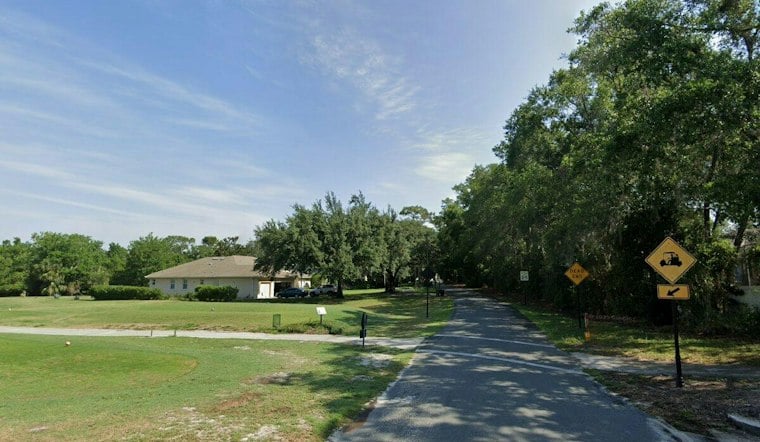
A flock of peacocks that has wandered Casselberry's Lost Lake neighborhood for decades has split residents into two camps, and the city is now deciding whether its nine-year-old bird sanctuary law should survive the fight. Some neighbors blame the birds for shredded pool screens, droppings on porches, and early-morning shrieking, while others say the peacocks are simply part of what makes the neighborhood special.
Workman, a 90-year-old Lost Lake resident, told WKMG ClickOrlando that peacocks have been in the area since before he moved there in 2000. He said about six of the birds once got onto his pool enclosure and were surprisingly heavy, and that the group damaged part of his screen roughly a decade earlier, back in 2016.
Not everyone in Lost Lake wants the birds gone. Mark, another resident of the neighborhood, said he used to watch 10 or 12 peacocks pass through his backyard most mornings, though he says he has hardly seen any of them recently. Mark told the station he likes the peacocks and that they do not bother him, even as he acknowledged some neighbors complain about droppings and the birds' calls, particularly early in the day. He compared the peacock noise to cicadas buzzing at the end of summer.
How the Debate Reached City Hall
The current review traces back to an August 24 city commission meeting, when Lost Lake residents first urged commissioners to take a hard look at the sanctuary protections, citing vehicle screen damage, porch droppings, and early-morning noise, according to Citizen Portal. That public testimony prompted commissioners to direct city staff to schedule a dedicated workshop on the issue. Neighbors at that meeting asked for some way to manage the birds, while peacock supporters said they value having the animals around.
Casselberry's peafowl sanctuary ordinance is under review, and the city's code includes Section 18-1, which adopts Seminole County Code Chapter 20. Some residents have also raised concern that feeding the peacocks may be encouraging them to linger in the neighborhood. The commission is now weighing three paths forward: repealing the sanctuary designation outright, carving out a Lost Lake exception, or leaving the protections untouched.
Special Workshop Set for Monday Evening
Casselberry leaders are set to discuss the sanctuary rules at a City Commission Workshop on Monday, October 19, at 5:30 p.m., though commissioners may not vote on any ordinance change at that session, per the station's report. The workshop appears on the city calendar after regular commission meetings held September 28 and October 12, according to the City of Casselberry. Fowl regulation has become a recurring item on the city's agenda this year, with Hoodline previously covering a backyard chicken pilot after a resident was warned she could face fines and received a 10-day removal notice from code enforcement.
The Legal Catch: Where Would the Birds Go?
Even if commissioners vote to strip the sanctuary status, state law complicates any plan to simply remove the birds. The Florida Fish and Wildlife Conservation Commission classifies peafowl as non-native domestic fowl rather than state-protected wildlife, meaning no state permit is required for property owners to remove them if local code allows it, according to the agency's guidance published on myfwc.com. But FWC rules also strictly prohibit releasing captured non-native wildlife back into the wild anywhere in Florida, which means a trapped peacock cannot simply be relocated to a park or nearby woods.
Civil, not criminal, penalties govern enforcement of local animal rules like this one. Florida Statute 828.27 caps municipal animal-control fines at $500 per violation and bars cities from imposing criminal misdemeanor penalties without specific state authority, according to guidance from the Florida Association of County Attorneys.
How Other Florida Cities Have Handled It
Casselberry would not be the first Florida municipality to wrestle with this exact bind. Miami-Dade County amended its two-decade-old peafowl protection law in February 2022 to let individual municipalities opt out of sanctuary status, provided they submit humane management plans for relocating or controlling excess birds, a shift that followed years of complaints over aggressive mating behavior and property damage, per Legal News. The Village of Pinecrest took a different route, launching a program in September 2023 that uses avian veterinarians to perform endoscopic vasectomies and tubal ligations on captured peafowl before returning them to the community, allowing the birds to stay while curbing population growth, according to the village's own materials.
For now, Casselberry's sanctuary rule stays on the books, and Monday's workshop will test whether commissioners find a middle path or let the debate stretch into another round of hearings.





