

























































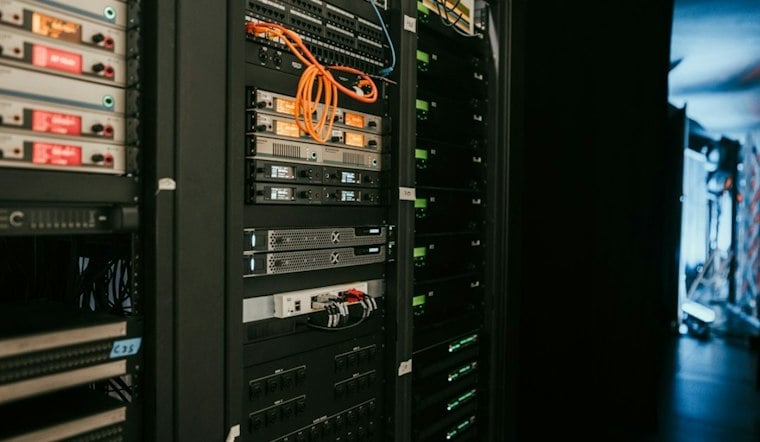
Chelmsford Town Meeting voted this week to effectively ban medium- and large-scale data centers from town, joining a wave of Massachusetts communities moving to keep the power-hungry, AI-driven facilities out of their backyards. The new bylaw, approved as bylaw 118-6, still leaves room for smaller, accessory-style data centers tied to existing businesses, but it slams the door on the kind of sprawling operations drawing fire just a few miles away in Lowell.
What the New Bylaw Actually Restricts
The vote came as Town Meeting wrapped up a second night of its fall session, held on October 22, with the warrant article running through the week, according to the Boston Herald. The measure, known as Article 23 on the warrant, splits data centers into four categories based on power draw, floor area and onsite fuel storage, as the Lowell Sun reported ahead of the vote.
Under the new rules, an accessory small data center — one that serves only the principal use of the property where it sits — can draw no more than 1 megawatt of power and occupy less than 20,000 square feet, per the same reporting. Small data centers that meet those same space and power limits, but come with external infrastructure to support generators, are allowed in industrial zones with a special permit. Medium data centers, defined as using up to 3 megawatts, occupying up to 75,000 square feet and storing less than 15,000 gallons of generator fuel onsite, are prohibited outright, along with any large data center drawing more than 3 megawatts.
Accessory small data centers remain allowed in both commercial and industrial zones. Chelmsford currently has no data center that would be barred under the new size or power thresholds, according to the facts presented ahead of the vote.
Planning Board Chair Defends the Carve-Out for Small Operations
Planning Board Chair Chris Lavallee argued that keeping a path open for smaller, accessory data centers was necessary because such facilities are essential to many businesses' day-to-day operations. Lavallee also noted that the Markley Group's existing data center in neighboring Lowell uses about 40 megawatts of power — a figure that dwarfs even the bylaw's medium-data-center threshold and underscores the scale the town is trying to avoid.
Not everyone at Town Meeting was satisfied that the bylaw goes far enough. Precinct 4 representative Sam Poulten credited the Planning Board with acting ahead of the kind of data-center conflict now playing out in Lowell, but he questioned whether the new rules sufficiently regulate small data centers. Poulten warned that a small data center sited near places where people live or work could still become a nuisance, and he said a generator operating within 500 feet of people can be both annoying and potentially dangerous. He said he would have preferred more restrictions on small data centers than the bylaw ultimately provides.
Lowell's Markley Group Fight Looms Large
The debate in Chelmsford is unfolding in the shadow of Lowell, where the Markley Group operates a 352,000-square-foot data center and is pursuing an expansion despite mounting pushback. Markley Lowell functions as a colocation facility, renting secure space to more than 500 clients, according to the Lowell Sun. Over the past decade, the facility's backup-generator capacity has grown from seven to 23 diesel-powered generators, the outlet reported, and the data center has faced increased scrutiny from surrounding residents in recent years.
Lowell itself has already approved a 360-day moratorium on new data centers and is weighing two paths forward, the Lowell Sun reported: one option would cap future growth at 15 megawatts with climate-friendly infrastructure requirements, while the other would prohibit data centers in every district citywide.
A Statewide Pattern Takes Shape
Chelmsford's vote adds to a rapidly growing list of Massachusetts communities pumping the brakes on data-center development as demand for artificial-intelligence infrastructure has surged in recent years. As of October 15, 18 Massachusetts communities had already enacted or approved a data-center moratorium, ban or restriction, while at least 17 more were actively weighing one, according to MassLive. By mid-October, the outlet counted more than 30 communities statewide that had either acted or were actively considering restrictions.
Nearby Wilmington is reviewing a draft bylaw that would similarly prohibit large-scale AI data centers while allowing smaller facilities under 2 megawatts in its industrial districts, the Lowell Sun reported; Wilmington's Town Meeting is set to take up a similar data-center bylaw on November 21. Mansfield has taken a comparable approach, limiting potential developments to projects requiring no more than 2 megawatts and planning five-year permits with reporting requirements on electricity, water and noise, according to The Boston Globe. In Salem, the mayor has proposed an ordinance that would block large AI data centers from being built in the city altogether, the Globe reported, while Holyoke's City Council voted 9-4 earlier this year to approve its own ban on new data centers.
Why Communities Are Pushing Back
The concerns driving these local votes largely trace back to the physical demands of newer AI-oriented facilities. As WBUR has reported, the energy-intensive GPUs powering AI workloads run hotter than traditional computer processors, feeding community worries about water and electricity demand. The Globe's reporting frames the broader trend plainly: local officials across Massachusetts are taking proactive steps to limit the size of AI data centers over concerns about energy use, water consumption, noise and vibration. Chelmsford's bylaw, with its tiered restrictions on power draw and floor area, fits squarely into that statewide pattern of towns trying to get ahead of a problem before a facility the size of Markley's ever shows up on their own warrant.





