

























































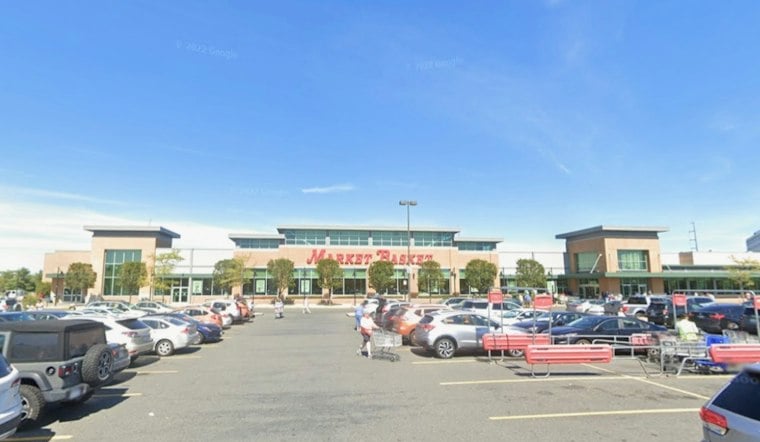
Market Basket and Chelsea officials have spent roughly a year quietly shaping a concept that could transform the grocery chain's 30-acre property into a mixed residential and retail district, complete with 162 new apartments steps from the store's front doors. The plan remains conceptual, with no developer signed on and no formal proposal filed, but it marks one of the most ambitious housing ideas the city has floated for the area west of Route 1.
According to a 40-page conceptual master plan described by the Boston Globe, the proposal would allow for two apartment buildings and additional retail space on the Market Basket parcel, with a so-called village center also envisioned for the site. The site sits beside both commuter rail and Silver Line stations, with multiple bus routes stopping nearby, according to the same report.
Per Banker & Tradesman, the concept calls for 162 apartments spread across two mixed-use buildings with structured parking, to be built on a pair of largely unused 1.25-acre lots along Second Street. Three additional retail outbuildings are envisioned elsewhere on the property, the outlet reports. Market Basket and the city have been developing the concept together for about a year, but the outlet notes that no formal housing plans have yet been proposed since the grocer still needs to bring on a private development partner.
A Master Plan Still Taking Shape
The underlying design work has been handled by The Architectural Team, according to a Chelsea Record report citing a city manager update, which also noted Market Basket was in discussions with several potential developers as it finalized its plans. Separately, according to MassLive, a site study and master plan propose apartment buildings with ground-floor retail and structured parking on each Second Street parcel, along with retail and parking on a Spruce Street lot as part of a second phase expected to focus on three underutilized areas of the site.
MassLive reports that Market Basket's own vision statement describes the project as aiming to create a community destination that emphasizes walkability and the pedestrian experience, with the site study envisioning a pedestrian-friendly complex featuring outdoor seating, gathering spaces, decorative lighting and community events. The outlet also reports the proposal would create 39,000 square feet of retail space alongside the 162 homes, though the plans remain unfinalized. A first phase of redevelopment already underway is more modest: a new MB Spirits liquor store, a new bus stop and shelter, a designated rideshare pickup area, improved access to the Chelsea MBTA station, and reorganized parking and vehicle access, per MassLive.
The Policy Groundwork Already in Place
City leaders have been laying regulatory groundwork for months. Per MassLive, Chelsea released its first comprehensive master plan since 1970, identifying areas for transformative development that prioritize new housing, and the city has since adopted a new zoning district called West Chelsea intended to incentivize denser housing around the Market Basket site, alongside loosened inclusionary zoning requirements.
Chelsea officials are also weighing long-term tax-abatement agreements to help advance the Market Basket project and similar developments, the Banker & Tradesman report notes, and MassLive reports the city has explored the state's Housing Development Incentive Program as another possible financing tool. The groundwork follows a $1 million Fiscal Year 2025 grant from the MBTA Communities Catalyst Fund, which the Chelsea Record previously reported would help design water and sewer improvements near the Market Basket Plaza to support planned housing in the area.
A City Split by Route 1
City Manager Fidel Maltez has described Chelsea as a tale of two cities divided by Route 1, according to MassLive, pointing to a denser population and more varied housing stock to the east, while rebuilding west of the highway has moved more slowly in the decades since a 1973 fire destroyed entire blocks there. Maltez said the Market Basket site is ripe for development because it already has restaurants, employers and transit access, and he hopes the surrounding neighborhood can become a destination and a desirable place to live, per the same report. He has also said Chelsea needs to grow its tax base to meet residents' needs and fund schools and a broader safety net, MassLive reports.
Chelsea has an existing Fair Housing Plan.
The Globe also reported that developer Greystar considered placing an apartment building on the Chelsea side of a nearby 1,900-unit project but opted instead to build a park there, concluding the city's affordable-housing requirement made construction financially unfeasible — an example of the tension between Chelsea's housing goals and the economics developers face. Elsewhere in the city, MassHousing has already closed on $10.6 million in financing for a 62-unit mixed-income project at 375 Broadway, combining a new 43-unit building with the rehabilitation of an existing 19-unit property, with units serving households earning between 30 and 100 percent of the area median income.
For now, the Market Basket concept remains a shared vision rather than a filed application. Banker & Tradesman's reporting that the city hopes nearby office properties with ample parking could follow suit suggests Chelsea officials see the grocery store's parcel as a template for a broader shift already underway among office owners around Boston.





