

























































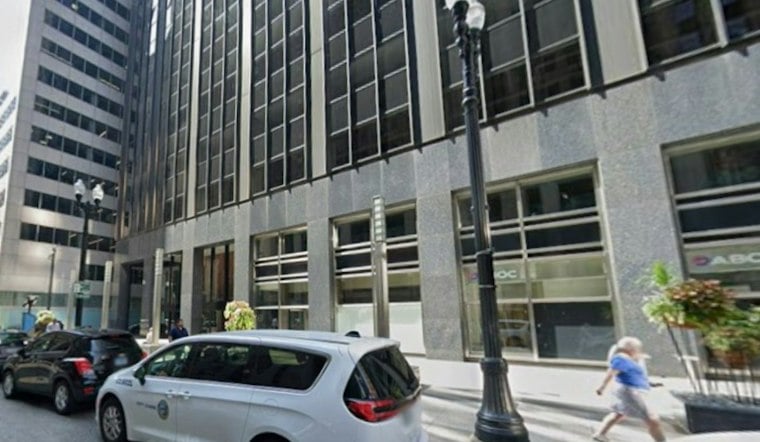
A dedicated, curbside bus-only lane is now running northbound on Michigan Avenue between Roosevelt Road and Wacker Drive, covering nearly 1.5 miles through the heart of the Loop. The stretch carries an estimated 22,000 bus riders every weekday, and city officials say roughly 1,490 buses across 21 different routes are expected to use at least part of the new lane each day.
The installation was announced by the Chicago Department of Transportation in late September, with work taking place overnight so crews could repaint lane markings and install signage without snarling daytime traffic, according to WTTW News. That work was expected to wrap within seven to 10 days, weather permitting. Because Michigan Avenue falls under Illinois Department of Transportation jurisdiction rather than the city's, CDOT had to coordinate with IDOT to develop and win approval for the project before any paint hit the pavement.
CTA acting president Nora Leerhsen framed the project as a win for the system's broader rider base, saying the benefits “will ripple across CTA's network and make travel easier for thousands of daily riders, including doctors, students, tourists and others.” She also said the bright red lane markings send a message beyond the Loop itself, noting they signal “that public transit is a regional priority,” per reporting from Axios.
No Timeline Yet on How Much Faster Buses Will Move
Despite the fanfare, CTA has not put a number on how much time the lane will actually save riders each day, Axios reports. CDOT and CTA instead plan to spend the next six months gathering data on travel times, schedule reliability, traffic operations and safety along the corridor before deciding whether any adjustments are needed. The project's installation cost was put at $543,000, according to a CDOT spokesperson cited by the outlet.
One feature riders won't get, at least for now, is transit signal priority — the technology that lets approaching buses hold green lights longer. Streetsblog Chicago reported on October 2 that TSP is not currently part of the Michigan Avenue installation, though CDOT said it is working toward future signal improvements that could eventually support it, per the same account. The Michigan Avenue lanes are meant to support the regular CTA routes already running on the corridor rather than introduce new service.
Enforcement Falls Under the City's Smart Streets Pilot
The new lane falls under Chicago's Smart Streets pilot program, which allows the city to ticket drivers who park in bus lanes, bike lanes and bus stops. The two-year pilot was established by City Council ordinance and authorizes the city to mail citations to registered vehicle owners for specified violations within a designated downtown enforcement zone, according to the City of Chicago. The automated enforcement is designed to deter drivers from blocking bus lanes and to shore up service reliability, though the city's own materials don't spell out every current enforcement detail specific to Michigan Avenue.
A Cautious Step Toward Bus Rapid Transit
Officials are careful to note that CTA is not officially classifying the Michigan Avenue lane as bus rapid transit. Full BRT systems typically include dedicated lanes, pay-before-you-board stations, signal prioritization and at-grade boarding — features the Michigan Avenue project doesn't yet carry. Even so, the lane is being described as a step toward implementing BRT more broadly in a city that has struggled to build out the concept beyond its existing Loop Link system.
That history helps explain why Chicago is starting small. Loop Link, the CTA's 2015 network of permanent bus-only lanes and raised boarding platforms, cost $41 million and increased bus speeds on its routes by 5% to 12% in its first 20 months, with ridership growing 4% between 2016 and 2019, according to the Chicago Tribune. A far more ambitious push to bring BRT to Ashland and Western Avenues collapsed in 2015 after local residents, businesses — including Costco — and aldermen pushed back, turning the proposal into a flashpoint of that year's mayoral race, the Chicago Sun-Times reported. That $160 million plan would have built 16 miles of dedicated center-running lanes from Irving Park to 95th Street; instead, the CTA settled for restoring cheaper express bus service on both corridors, a $3.5 million fix expected to serve about 50,000 weekday riders and shave up to 22 minutes off trip times, per the Sun-Times account.
Buses carry more public transit riders than trains across the CTA system and reach neighborhoods the L doesn't serve, making corridor-level fixes like the Michigan Avenue lane an easier lift than a full BRT buildout. More than 7 million riders travel the Michigan Avenue route annually, underscoring why even modest reliability gains along the corridor matter to the thousands who rely on it to move through downtown Chicago each day.





