

























































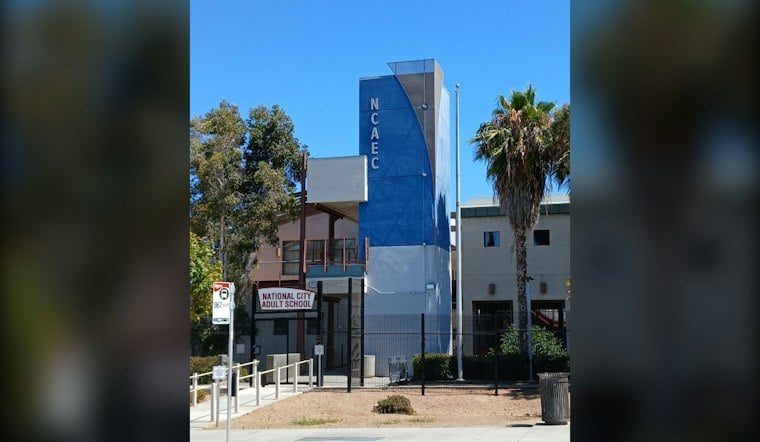
A Chula Vista mother says her 15-year-old autistic son ended up in the emergency room getting IV fluids after he was repeatedly left sitting on a hot school bus with no air conditioning. Marisol Wojciechowski says her son Gabriel, a freshman at Hilltop High School, grew so dehydrated that he developed nosebleeds, severe headaches, lack of energy and lightheadedness before she finally brought him in for treatment.
According to NBC 7 San Diego, Wojciechowski said Gabriel and his classmates were routinely released from school at least 30 minutes before other students, then made to wait on the bus for more riders to board before it departed. She said she witnessed the bus conditions herself, and that Gabriel, drenched in sweat by the time he stepped off, typically does not complain because of his autism — making it harder for her to know how bad things had gotten until the symptoms piled up.
A Driver Who Called It Normal
Wojciechowski said a bus driver told her that children sitting on the bus for prolonged periods was simply normal, and that Gabriel could not get off once the bus had been released to him for the ride. After several days of worsening symptoms, she took Gabriel to the emergency room, where staff gave him IV fluids for what she described as severe dehydration. The report notes that Chula Vista hit 97 degrees during the week Gabriel went to the hospital — conditions Wojciechowski says made even a few minutes aboard an un-air-conditioned bus unsafe.
“I want them to put the kids first. Leaving them on the bus is not safe, not even for five minutes during the heat,” Wojciechowski said, according to the station's report. She said she has asked Sweetwater Union High School District to change its policies and wants the district to prioritize student safety during hot weather. Per the same account, Sweetwater Union High School District had not responded to requests for comment as of publication.
A District That Moves Thousands of Students Daily
The scale of what the district manages is considerable. Sweetwater Union High School District Transportation Services operates 102 school buses out of two locations and provides more than 5,000 daily student rides, including transportation for more than 950 special-needs students to roughly 40 locations across San Diego County — a logistical footprint that leaves little room for error when temperatures spike.
A Pattern Playing Out Beyond San Diego County
Gabriel's case echoes a similarly alarming incident out of Texas in August, when a 5-year-old was left locked inside a daycare bus in Forney for nearly two hours as temperatures reached 102 degrees, according to CBS Texas. Surveillance video showed the child removed from the bus at 5:41 p.m., nearly two hours after it had arrived at 3:48 p.m. That child was found crying, covered in sweat and complaining of a headache and dizziness before being hospitalized for dehydration and treated with an IV — and the daycare worker involved, 37-year-old Jessica Deneen Smith-Ward, was charged with child endangerment.
The broader climate backdrop isn't helping. Heat waves are becoming longer, more frequent and more intense, as Governing has reported, and extreme heat remains the leading weather-related cause of death in the United States. Heat can cause serious health effects, underscoring why advocates have pushed for stronger rules around how long children are kept in hot vehicles or classrooms.
Uneven Rules From State to State
Some states already have physical safeguards: Arizona regulations address classroom temperatures and air-conditioning systems. Oregon requires schools to attempt to cool classrooms and provide staff with cooling measures once the indoor heat index hits 80 degrees. California heat-safety proposals discussed in that same reporting would extend similar protections to schools, though it remains unclear whether those rules would apply to school buses specifically.



