

























































Columbus Water and Power has submitted a proposed rate structure aimed at commercial customers whose water use spikes well above typical levels, including data centers, meeting an October 26 deadline set by the city. The plan would add a high-demand surcharge designed to recover the cost of maintaining extra system capacity for customers who use water in large, uneven bursts rather than steady, predictable amounts.
The idea traces back to concerns among Columbus residents and city leaders about who should shoulder the cost of utility infrastructure as demand grows, according to WSYX. City officials have said they want large customers to cover the costs of the utilities they actually use rather than spreading those expenses across every ratepayer. Columbus Water and Power Deputy Director Jon Lee said the surcharge is meant to recover additional system-capacity costs from commercial customers whose water demand runs significantly above normal, and that customers creating higher capacity requirements should bear an appropriate share of those costs, per the same report.
Who Would Qualify and How Much It Could Cost
Under the proposed model, a commercial customer would qualify for the surcharge by using at least 100 CCF a month combined with a peak-demand factor of 2.0 times typical usage, the station reports. One CCF equals 748 gallons, meaning 100 CCF works out to roughly 74,800 gallons a month, or about fifteen times the average water use of a single-family home. The proposed high-demand surcharge itself would run $1.62 per CCF, and Lee said that, under the current model, about 426 customers would qualify, generating an estimated $6 million in revenue.
That surcharge would apply specifically to Columbus Water and Power's proposal covering roughly 400 commercial customers, according to the outlet's reporting, with the broader goal of making sure the utility recovers the cost of the larger pipes and reserved capacity those customers require. Separately, NBC4 WCMH-TV reported that Columbus Water and Power is considering a peaking rate on top of standard charges specifically for high-use customers, explaining that the peaking factor ensures the utility recovers the cost of providing that larger pipe and available capacity. NBC4 also noted the industrial users under consideration would include data centers, chip fabrication, brewing and beverage, and food processing facilities.
Council Leaders Weigh In on Fairness
Columbus Councilman Christopher Wyche, who chairs the Public Utilities and Sustainability Committee, said the city wants flexibility to discuss surcharges directly with customers and to include regular peak-demand customers in the methodology, per WSYX's reporting. Emmanuel Remy, vice-chair of the same committee, said extra costs created by high-demand users should not be shifted onto households and businesses that are already relying on the system.
City leaders have framed the effort as an attempt to prevent customers with unusually high water and energy demand from pushing added costs onto average homeowners. Still, the proposal does not establish whether data centers or other large customers would eventually pay higher electricity rates under a separate structure, and the city has not indicated that residents would see immediate savings if the plan is approved. The proposed surcharge does not guarantee lower household utility bills or prevent future rate increases, according to the station's report.
Bigger Picture: Infrastructure Costs and a Looming Rate Hike
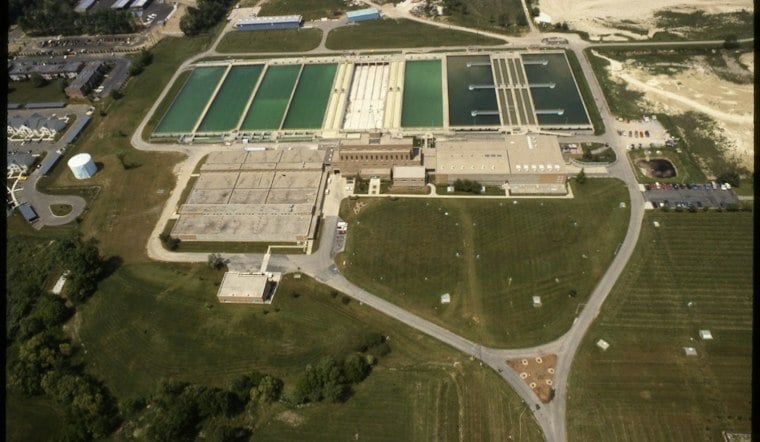
Columbus Water and Power's Water and Power Department has recommended changing water capacity fees so new customers help fund planned infrastructure projects, including the Home Road water treatment plant, per the same reporting. The city is separately planning an 18% water rate increase in 2027, but officials say a revenue shift tied to the new surcharge would make standard water rates for residential and small-business customers about 1.6% lower than they would otherwise be, and could help limit future rate increases as data centers and other high-demand users continue to grow.
The pressure behind the proposal reflects a broader regional trend. More than 100 data centers in central Ohio already consume millions of gallons of water daily to cool their equipment, according to a separate NBC4 report, and the Central Ohio Regional Water Study projects that figure could climb to around 70 million gallons a day by 2040. Industry research from Raftelis notes that a single data center can use between one million and five million gallons a day, comparable to the daily consumption of a town of 10,000 to 50,000 people, with usage often spiking in warmer months as cooling systems work harder.
What Happens Next
Columbus Water and Power confirmed it submitted rate recommendations to city council but declined an interview request before the council's public hearing, WSYX reported. That hearing is scheduled for November 12, with the legislation expected to receive a first reading by city council on November 16 and a second reading on November 23. The proposal still must pass through the full city council process before any new rates could take effect, and officials say new charges are expected to begin in late 2027 or early 2028.
City council action on the broader framework has already drawn differing descriptions of exactly what was approved. A September newsletter from CW Columbus stated that council directed Columbus Water and Power to develop a plan for a new rate structure and that the ordinance does not immediately impose a new rate, while CitizenPortal.ai reported that council passed Ordinance 25-60-2026 directing the utility to develop rate structures for large-load and high-volume peak users. Either way, Columbus Water and Power must maintain capacity for periods of unusually high water demand, covering treatment, pumping, storage and distribution, and a long-planned fourth water plant is expected to cost more than $2 billion as the city prepares for future growth, per CW Columbus.




