

























































Cuyahoga County's network of year-round emergency shelters has grown by nearly 500 beds since 2021, but one of the region's two seasonal winter shelter providers says it can no longer afford to open its doors. The Metanoia Project, which has spent years sheltering people who wouldn't or couldn't stay in traditional facilities, has decided not to reopen for winter 2026 after months of failed grant applications.
A Growing System With a Gap
The Cleveland/Cuyahoga County homeless-services network reported nearly 500 more year-round emergency shelter beds in January 2025 than it had four years earlier, according to Cleveland.com. HUD's 2025 Housing Inventory Count found 1,538 year-round emergency shelter beds for the Cleveland/Cuyahoga County Continuum of Care, up from 1,045 in the 2021 count — a 47% increase of 493 beds, per the HUD inventories cited in that report. HUD has said the housing inventory numbers, a snapshot of beds available on one night in January, are supplied by local homeless-services agencies and are not independently verified.
Even with that expansion, Cuyahoga County has continued to lean on seasonal shelters each winter as part of its strategy to keep people experiencing homelessness from remaining outside during cold weather, a practice the county has cited since at least 2024. As of November 2025, the county funded two seasonal shelter providers — Metanoia and the Northeast Ohio Coalition for the Homeless — each able to accommodate up to 40 people nightly for the 2025-26 winter season. NEOCH's separate winter shelter at 1530 East 19th Street, which opened in January 2026 with bunk beds, laundry, and meals for up to 45 adults nightly, was reported by Axios.
Serving People Who Avoid the System
Metanoia's mission has long centered on people the county itself has described as shelter-resistant. Cuyahoga County approved $25,000 for Metanoia to provide emergency shelter for homeless adults back in 2018, at the same time describing some of the adults Metanoia served as resistant to traditional shelter options. The project has provided shelter during the coldest weather for people who otherwise might remain outside, including guests barred from traditional shelters, guests who simply preferred not to use them, and guests who wanted to remain with a partner or a pet.
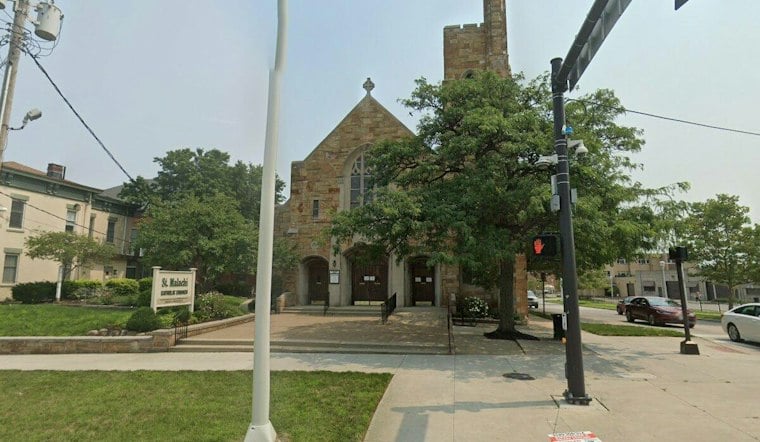
In January 2025, Metanoia opened at Zion Hill Missionary Baptist Church during severe weather, serving people in need — including those resistant to traditional shelters — according to the county. The church partnership followed years of operating out of St. Malachi Catholic Church and school on Cleveland's Near West Side before the shift to Zion Hill for the 2024–2025 winter season, according to the Plain Press.
Money Ran Out
Metanoia's decision not to reopen comes down to cost. The nonprofit says it cannot afford to run its seasonal shelter this winter, with a roughly six-month season costing about $300,000 to operate. The Alcohol, Drug Addiction and Mental Health Services Board of Cuyahoga County had provided Metanoia $90,000 for its overnight program from November 2024 through April 2025, but the organization lost that annual funding after the season ended. The George Gund Foundation had previously awarded Metanoia a two-year, $50,000 general operating grant in 2022 to help sustain its seasonal shelter work, according to The George Gund Foundation.
Metanoia submitted more than 60 grant applications in 2026, but most were unsuccessful, the Cleveland.com report notes. The shortfall lines up with a broader federal shift: HUD regulations announced in 2026 prioritized funding for new transitional housing and programs requiring 40 hours per week of supportive service participation, pulling resources away from renewals of existing permanent housing programs and affecting local Office of Homeless Services allocations, according to Signal Cleveland.
County Says System Can Absorb the Loss
Levine Ross, Cuyahoga County's homeless services director, said the broader shelter system has room to absorb the loss of Metanoia's beds, per Cleveland.com's reporting. Ross added that people needing shelter can contact 211 to find an available option. Still, Metanoia's closure removes one seasonal shelter option during winter 2026, at a time when Northeast Ohio Coalition for the Homeless Executive Director Chris Knestrick estimated in January that roughly 2,000 people experience homelessness across the Cleveland community on any given night, according to a report from WKYC.
The stakes extend beyond bed counts. Cuyahoga County's Office of Homeless Services served 12,516 individuals across 8,795 households in 2025, up from 12,073 individuals and 8,612 households in 2023, per Signal Cleveland's analysis. The same reporting found that the six-month return-to-homelessness rate among people exiting county programs climbed to 13% in 2025, up from 7% in 2024 and 11% in 2023, while adults aged 55 and older made up the single largest age group in county shelters that year.
For now, adults who relied on Metanoia's low-barrier approach — those who wanted to keep a partner or a pet close, or who simply wouldn't set foot in a traditional shelter — are left with fewer options as the county's year-round facilities, including the 2100 Lakeside Avenue shelter for men and the Norma Herr Women's Center on Payne Avenue, remain the system's primary destinations for single adults heading into winter.




