

























































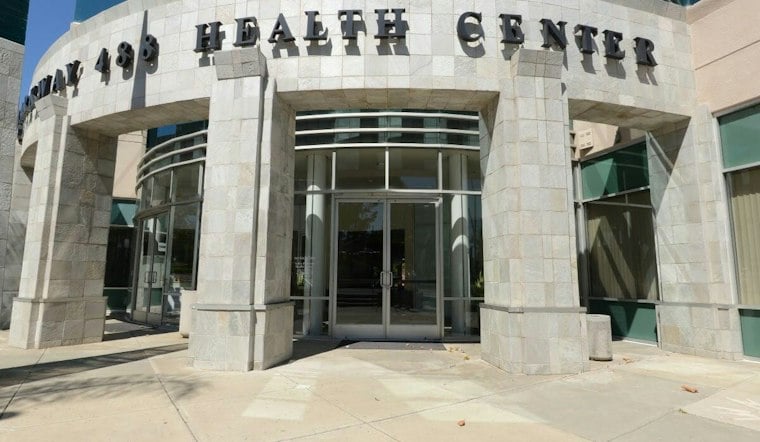
Health and Human Services Secretary Robert F. Kennedy Jr. stood inside Neighborhood Healthcare in Escondido two weeks ago to announce a $51 million federal grant initiative aimed at improving dental care for children with neurodevelopmental disorders, including autism, Down syndrome, cerebral palsy and intellectual disabilities. The visit put a San Diego County clinic at the center of a nationwide effort to make trips to the dentist less frightening and more accessible for kids who often struggle with standard exam rooms.
A Grant Spread Across 28 Clinics Nationwide
Kennedy announced the $51 million in grants during his Sept. 23 stop, according to the San Diego Union-Tribune. Neighborhood Healthcare is among 28 organizations nationwide eligible to receive up to $2 million each for dental services tailored to patients with neurodevelopmental conditions, the paper reported. Kennedy was joined at the Escondido clinic by HRSA Administrator Tom Engels and Neighborhood Healthcare CEO Dr. Rakesh Patel, according to the same report. Fox 5 San Diego and KUSI News also covered the announcement.
Disability Scoop, which covered the broader national rollout, reported that the Health Resources and Services Administration is awarding funding to the 28 health centers specifically to address the dental needs of people with autism, Down syndrome, cerebral palsy and intellectual disabilities. The outlet noted that participating health centers will receive up to $2 million each, with the money going toward expanding preventive care services, boosting the workforce and developing innovative care models.
What Changes at the Escondido Clinic
Patel described specific adjustments planned for patients who find traditional dental visits overwhelming. “It's having quieter drills; it's having pre-dental visits so you can do some role-playing before you even have the actual visit,” Patel said, according to the Union-Tribune. The plan also calls for adjusted lighting and sound, welcoming staff, and dentists and support staff trained specifically to work with patients who have neurodevelopmental conditions.
Engels framed the grant as the start of something bigger than 28 individual clinics. The initiative will follow the traditional pilot-project model, he said, with results from the grant recipients used to inform a broader national approach to care, per the Union-Tribune's report.
The Access Gap Behind the Funding
The push arrives against a backdrop of uneven access. Nearly 1.5 million California children and more than 16 million children nationwide have or are at increased risk for a chronic physical, developmental, mental or behavioral health condition requiring additional care and related services, according to data compiled by kidsdata.org. Statewide and nationally, more than six in seven children with special health care needs do not receive care in a well-functioning system of services, the same data shows — even though an estimated 90.1% of California children with special health care needs had a dental care visit in the previous year as of 2024.
A separate analysis from the California Legislative Analyst's Office found that high beneficiary-to-provider ratios in many California counties carry over into regional-center catchment areas, with four such areas showing ratios at least twice the statewide Denti-Cal average. That disparity underscores why federal officials are framing the Escondido grant as a test case rather than a finished solution.
Disability Scoop summarized the overall goal plainly: with $51 million, a new initiative is underway to increase access to dental care for children with developmental disabilities in communities across the country. For families in San Diego County who have struggled to find a dentist's office equipped to handle sensory sensitivities or behavioral needs, the Escondido clinic's new approach marks one of the earliest local tests of that promise.



