

























































Fighter jets scrambled over Cincinnati skies Saturday afternoon, intercepting a general aviation aircraft that had strayed into restricted airspace on the day President Donald Trump held a campaign rally just across the river in Kentucky. The plane was escorted out of the area without incident, and the encounter came amid other incidents involving aircraft entering restricted airspace near presidential events.
NORAD said F-16 fighter aircraft intercepted the plane over Cincinnati, Ohio, on Saturday at approximately 3:00 p.m. CT, according to NORAD. The aircraft was safely escorted out of the area by NORAD aircraft, the command said, without detailing the plane's registration, ownership or intended route. The Continental U.S. NORAD Region, based at Tyndall Air Force Base, serves as the operational lead for the broader mission that governs these intercepts.
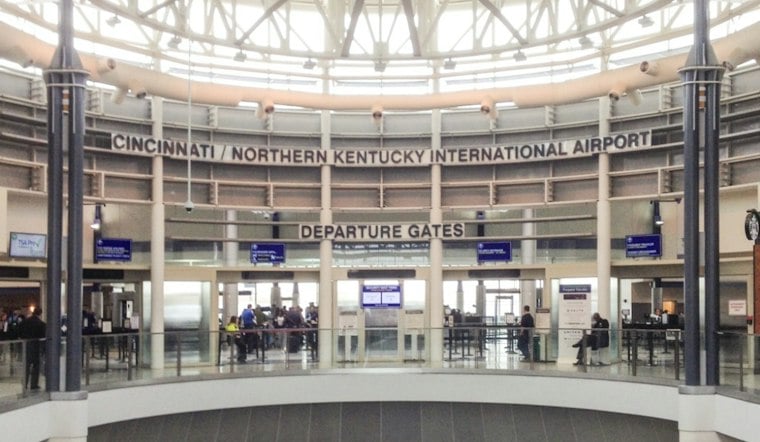
Trump also visited the region that day. The president had landed at Cincinnati and Northern Kentucky International Airport at 1:06 p.m. ahead of a rally at Truist Arena on Northern Kentucky University's campus in Highland Heights, Kentucky, according to Cincinnati.com. He wrapped the event at 3:50 p.m., the outlet reported. The aircraft and rally were both in the same general area that afternoon.
A Pattern Repeating Across the Country
The Cincinnati episode fits into a string of similar incidents that have played out near presidential events in recent months, as first detailed by CBS News. In August, fighter jets intercepted a civilian plane that entered restricted airspace over Geneva, Ohio, while Trump attended a teen athletic tournament known as the 2026 Patriot Games, an event the White House and the president's supporters backed heavily, the station reported. F-16 jets dispensed flares during that encounter to catch the pilot's attention.
Around the same time, two general aviation planes violated temporary restrictions in place over Trump's golf course in Bedminster, New Jersey, also triggering NORAD intercepts, the network's report noted. A separate July restriction-violation incident occurred over East Rutherford, New Jersey, during the World Cup final. The New York Times reported on the August interception in Ohio during the Patriot Games.
Chicago's Spike in Violations
The largest cluster of violations came at the end of September, when at least 15 aircraft entered temporary flight restrictions over the Chicago area during a Trump visit, with fighter jets performing intercepts in 10 of those cases, according to NBC Chicago. In two of those encounters, NORAD jets used flares to get the pilots' attention, and officials said the situations were resolved safely. Flight restrictions have also been enforced around non-political events, including the World Cup final in East Rutherford, New Jersey, last July, when planes violated the airspace there as well.
Earlier in October, NORAD had already flagged a separate round of VIP temporary flight restrictions set to run from October 1 through October 3 over Dallas, Durant, Mobile and Dayton, saying fighter jets would be ready to enforce those zones as needed, per the command's own announcement. The recurring nature of these violations has prompted repeated reminders from military officials about the rules pilots are expected to follow.
What Happens to Pilots Who Cross the Line
Temporary flight restrictions, or TFRs, are communicated to pilots through Notices to Airmen, known as NOTAMs, which the Federal Aviation Administration issues and updates regularly to restrict aircraft, including drones, from entering designated areas without permission. The FAA typically puts these restrictions in place around high-profile events, particularly those attended by political figures. NORAD has said pilots who violate TFR airspace may be met by federal authorities upon landing and could face an interview or further enforcement action, though it remains unclear whether the Cincinnati pilot faced any such follow-up.
During an actual intercept, NORAD instructs pilots to contact frequency 121.5 or 243.0, reverse course and await further instructions, the command has said. Federal aviation guidance notes that interceptor aircraft are responsible for maintaining safe separation throughout the maneuver, though there remains some potential for an intercepted plane to encounter jet wash or wake turbulence during the process. Air Force officials have continued to remind general aviation pilots to check airspace restrictions before planning and launching any flight.





